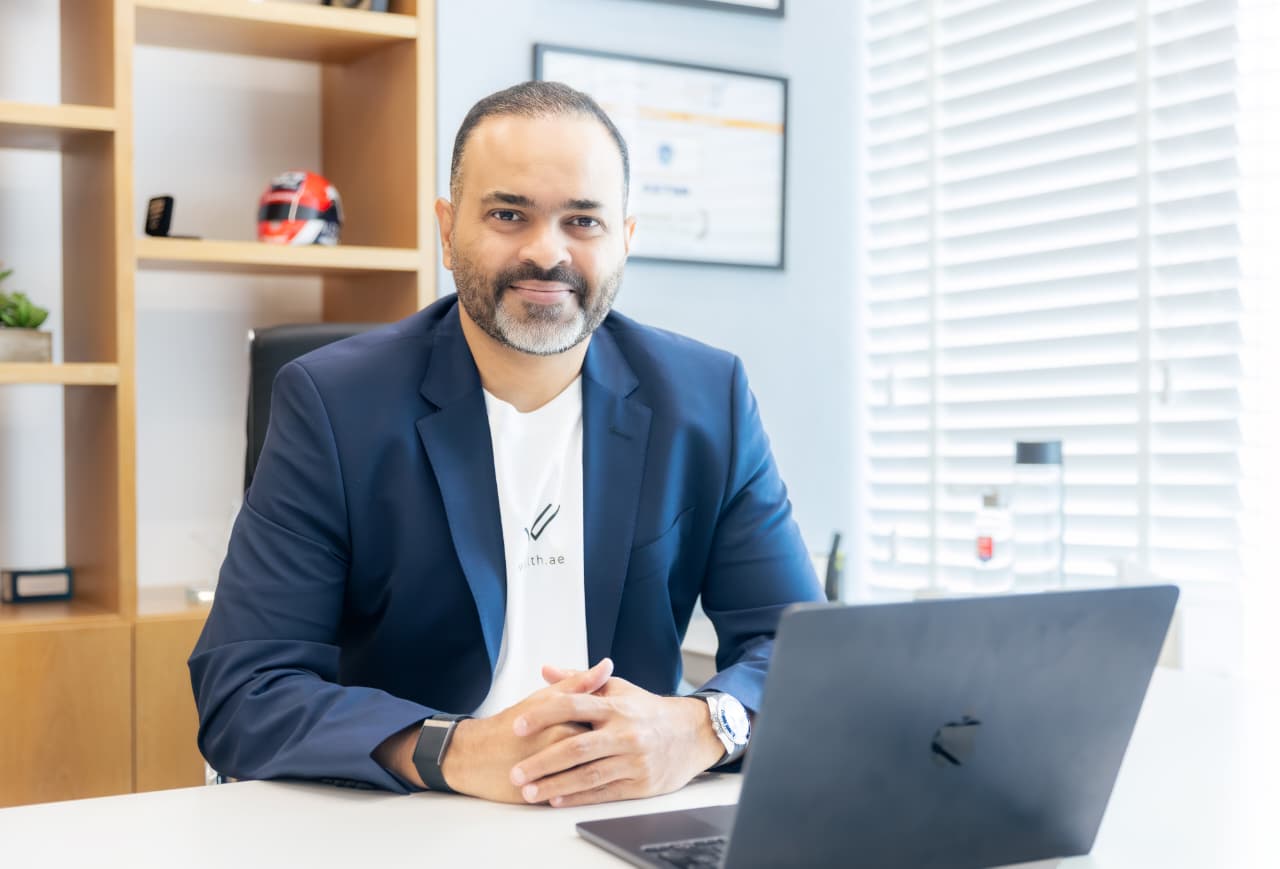
 Rahul Kadavakolu, Group Chief Marketing Officer, Aster DM Healthcare
The marketing industry in the Middle East is amid one of its most dynamic transformations yet. Over the past few years, the region has become a hotbed of innovation, driven by rapid technological adoption, a connected population across age segments, and for every brand that is eager to establish meaningful presence in both global and local contexts.
Yet, as opportunity expands, so does complexity. The challenge for marketers today is no longer simply about visibility, it’s about standing out authentically in an algorithm- and artificial intelligence- (AI)-driven world while staying true to cultural context and human connection.
We live in a time when attention has become the most valuable currency, and everyone, from brands to influencers and AI bots – is competing for it. The sheer volume of digital content has created an environment where differentiation is increasingly difficult. Consumers are scrolling faster, questioning more and filtering what truly matters to them. This means brands must move beyond just producing more content. They need to create meaningful moments that resonate, inspire and build trust.
In modern-day marketing, trust and credibility have become the ultimate assets for any brand. In a world flooded with sponsored posts, conflicting data and rising misinformation, audiences are more sceptical than ever. They value transparency, consistency, purpose and integrity. Brands that endure are those that communicate honestly, show empathy, align external imagery with internal self-reflection and treat trust not as a campaign tagline but as a pillar for long-term relationships. In healthcare, the brand promise is magnified a hundredfold because what’s at stake is not just perception, but also human lives.
Purpose-driven marketing is another defining shift. Today’s audiences, especially Gen Z and millennials, gravitate toward brands that stand for something more than profit – whether it’s sustainability, inclusion or social progress. Authenticity and purpose are no longer optional; they’re strategically crucial. Yet, as marketers chase return on investment (ROI) and performance metrics, which are of course critical, there’s also a need to re-focus on design, creativity and storytelling. After all, there is little point of measuring if the consumer has already skipped your content.
Listening has also been an underestimated skill in marketing. Customers are always talking through data, feedback, reviews and social behaviour. But the question is, are we really listening enough? Marketing requires as much empathy as strategy, as much observation as execution.
Marketers often view challenges and opportunities in silos – campaign performance, digital channels or media mix, but we must operate in an era of ecosystems, connected journeys and lifetime value thinking. For healthcare brands, this means creating continuity, from awareness to care and wellness – not just selling a service, but nurturing relationships.
For marketers in the region, understanding cultural nuance is key to building trust. The Middle East isn’t a single, uniform market. It’s a culmination of languages, values and perspectives. Real success comes from genuine connection, not mere translation. Campaigns that authentically reflect local sentiment, celebrate regional identity and speak to shared aspirations tend to outperform those that merely replicate global templates.
AI now dominates marketing conversations, redefining how we ideate, personalise and measure impact. AI- driven personalisation and automation allow for hyper-targeted, real-time engagement – empowering marketers to reach the right person, at the right time, with the right message. Yet, the true opportunity lies in how we use AI effectively and responsibly.
As AI becomes more integrated into browsers and searches, discoverability is evolving. Consumers are no longer just searching, they’re also asking AI tools to summarise, compare and recommend. This makes it even more critical for brands to appear on credible, high-authority platforms, because AI models prioritise verified sources in their results. In other words, visibility now depends as much on where a brand is featured as what it says. Ultimately, AI should be an ally, not a replacement for human intuition. The best outcomes come from balance, where technology amplifies insight, but empathy drives strategy.
Data remains the backbone of this transformation. Real-time analytics enable smarter, faster and more measurable decisions. But as digital ecosystems expand, compliance and ethics have become non-negotiable. With misinformation spreading faster than ever, maintaining accuracy, transparency and regulatory alignment is essential, especially in sectors such as healthcare, finance and education, where credibility defines longevity.
Social commerce is also reshaping consumer journeys, as people increasingly shop directly from social platforms, often guided by creators they trust. Influencer ecosystems are maturing, with micro and niche voices driving deeper authenticity. Meanwhile, connected TV and streaming platforms are emerging as strong storytelling avenues, while short-form, Arabic-first content continues to dominate attention spans, highlighting the importance of linguistic and cultural resonance.
If there’s one sector that embodies this evolution clearly, it’s healthcare. Consumers today expect personalised, real-time engagement from their health and wellness brands – whether it is through smart wearables or mobile apps and digital care platforms. That’s why marketers must look beyond just social media to see the bigger picture – an integrated ecosystem where brand, technology, experience and care come together seamlessly.
Real-time engagement isn’t the only facet to consider; it’s equally important to think about the right time. Especially in sectors such as healthcare, timing can mean everything: The moment a patient decides to walk into a hospital, book an appointment or act on health advice. Relevance without context is noise, and timing with empathy is impact. The appetite for information, transparency and customisation in healthcare marketing mirrors what’s happening across industries: People want relevance, empowerment and connection.
Ultimately, as we look ahead, the brands that will thrive in the Middle East’s fast-evolving landscape are those that blend creativity with conscience, and innovation with authenticity. Technology may continue to redefine the rules of engagement, but the essence of marketing remains deeply human. The future will belong to those who can strike that balance, using data, design and dialogue not just to sell, but also to connect.
By Rahul Kadavakolu, Group Chief Marketing Officer, Aster DM Healthcare