The future envisioned by marketers at the start of the decade has arrived: Gaming and esports have shifted from a niche consumer hobby and a ‘nice add-on’ to a staple part of marketing strategies and media budgets.
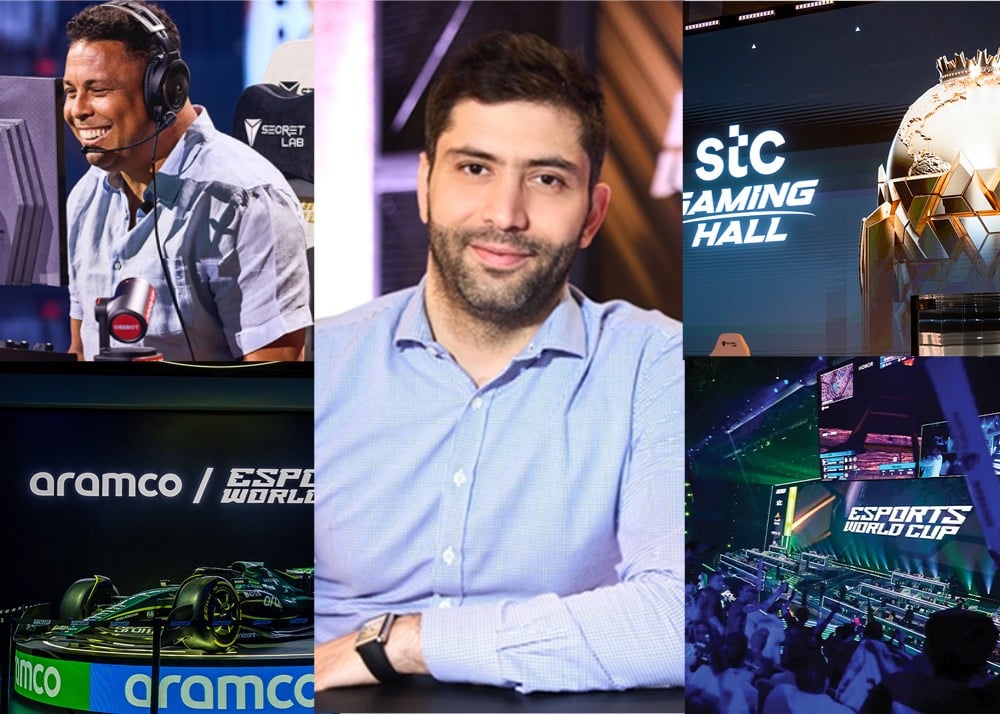
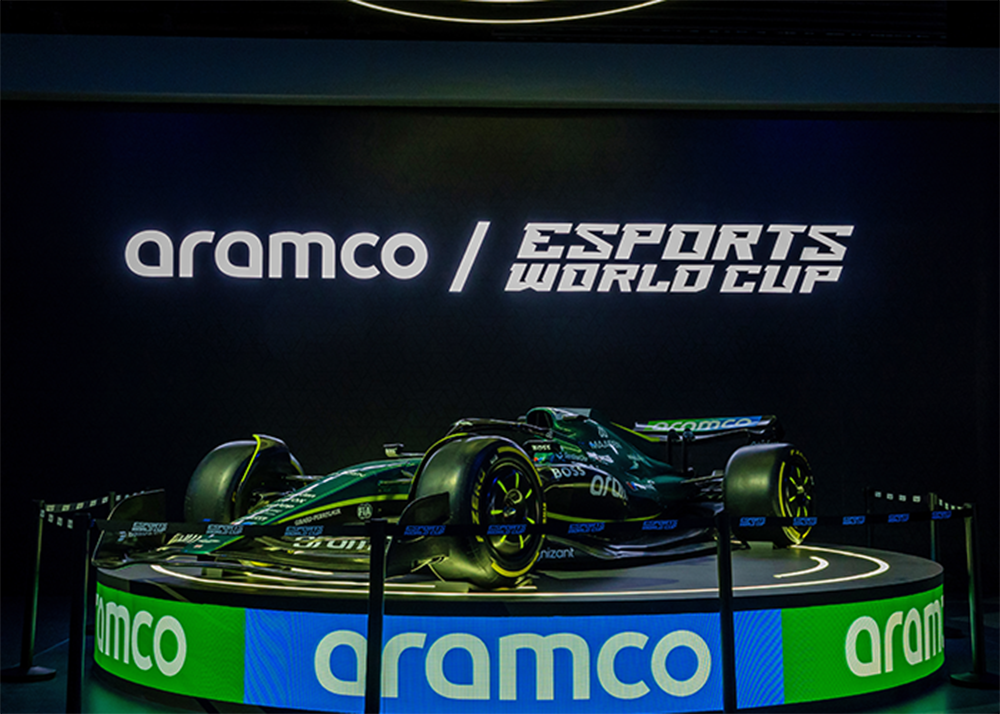
From globally renowned brands such as Sony, Mastercard, Amazon, Pepsi, Adidas, Spotify and Hilton to Saudi Arabia’s market-leading brands such as Aramco, Saudia, stc group, Saudi National Bank (SNB) and Qiddiya, among others, several powerhouses have partnered with the Esports Foundation, which hosts the world’s largest annual international esports tournament, the Esports World Cup (EWC).
The 2025 iteration of the seven-week-long tournament featured more than 2,000 players and 200 clubs from around the world competing in 25 events across 24 games on PC, console and mobile ecosystems for a share of the $70m total prize pool. The road to EWC 2025 was equally impressive with thousands of global players participating in more than 200 qualifiers for the 24 games.
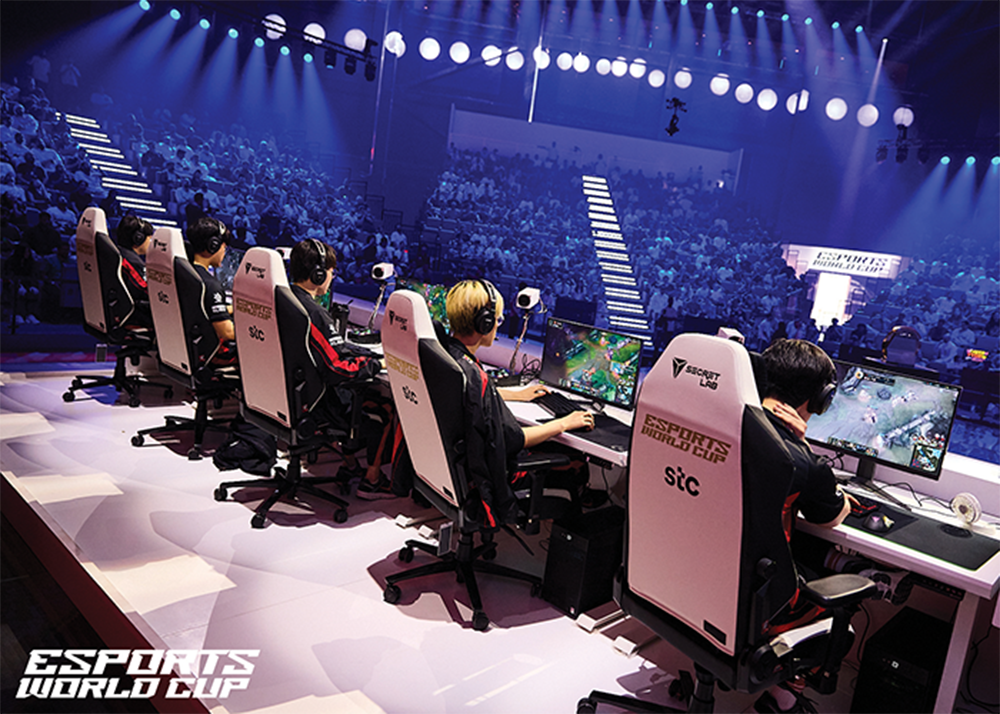
In terms of on-ground presence, EWC 2025 welcomed more than 3 million visitors to the Riyadh Boulevard, bringing the tournament to life through eight festival venues and four arenas. Its Content Creator Park, launched in 2025, hosted more than 30 mainstage shows and more than 50 partner activations and experiences.
Apart from professional gamers, live streamers, gaming content creators, fans and club supporters present at the tournament, the viewership from the larger online regional and global gaming community was equally impressive – second only to the Summer Olympics.
EWC 2025 garnered more than 750 million viewers with broadcasts in more than 140 different markets. Total watch hours increased 40 per cent year-on-year from 250 million watch hours during EWC 2024 to 350 million during EWC 2025. The League of Legends Finals alone witnessed 7.98 million peak concurrent viewers. Overall, the EWC 2025 tournament earned more than 30,000 articles by more than 4,000 media outlets with more than 2,000 interviews on site.
While the numbers are incredibly impressive, they don’t tell the whole story.
EWC 2025 has also helped brands solve specific challenges, connect with specific cohorts of hyper-local communities in the Middle East region, gain traction in specific geographies across the globe, drive bottom-of the-funnel product sales at the event, build brand loyalty that stands the test of time and measure the effectiveness of every dollar spent.
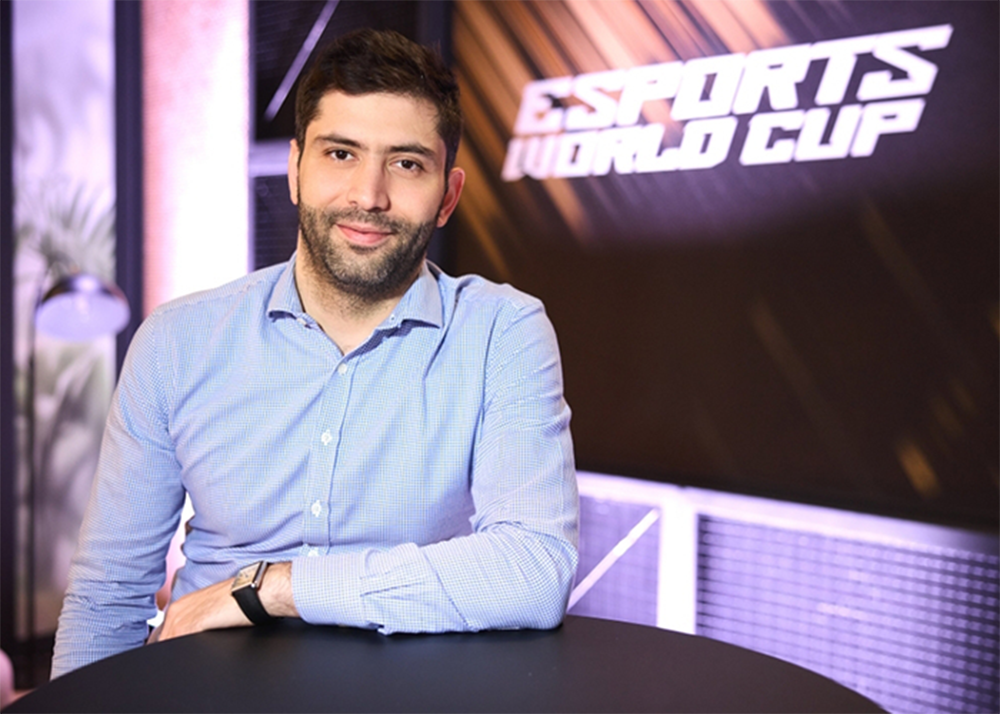
In this context, Campaign Middle East sits down for a conversation with Mohammad Al Nimer, Chief Commercial Officer, Esports Foundation, ahead of the third edition of the EWC in 2026 and the inaugural Esports Nations Cup 2026 (ENC 2026), which has already received more than 630 applications from more than 150 countries to become the national partner of the ENC.
What emerges from this conversation is not a case for experimentation at the margins, but a much clearer argument: esports and gaming now demand the same strategic seriousness that social media once fought for before becoming an unavoidable part of the modern marketing and media mix. The attraction for brands lies in the combination of scale, intensity and precision. Attention here is not accidental, but intentional, active, habitual and emotionally charged.
And because the ecosystem is fundamentally digital, it offers a level of measurement, customisation and control that many traditional channels still struggle to match.
In other words, this is not about spray-painting a generic message across a large canvas; it calls for carefully curated messages in customised formats on brand-safe platforms for several different, highly invested audiences across geographies, generations, languages and cultures – with sharper tools, transparent success metrics and relevant context.
For brands looking to begin their journey within these virtual and experiential ecosystems, Al Nimer’s advice is to embrace discipline and maturity. Throughout the conversation, he repeatedly states that the starting point is not the trend itself, but the business and consumer challenge that brands are attempting to solve.
For some brands, this may mean leaning into awareness; for others, it may mean affinity, sales, cultural relevance, youth reach or market-specific communication. The value of gaming and esports, in Al Nimer’s telling, is that it has evolved into a flexible commercial platform – one that solves different problems in different ways, provided marketers understand its codes and enter with respect for its ecosystem and its communities.
A fundamental shift in brand interest
The conversation begins with the fundamentals: partnerships within gaming and esports ecosystems are not traditional sponsorship plays and involve much more than splashing a sprightly logo in front of millions of fans for ‘presence’ or ‘visibility’.
Al Nimer explains that brands are moving towards gaming and esports because several segments of their consumers are already there – and brands want to understand, solve for, listen to, influence and grow with audiences that are already deeply embedded into these virtual and experiential environments.
Al Nimer says, “I think gaming and esports is one of the biggest passion points for young people aged between seven and 30 years old. They are playing anywhere between one to three games across digital screens of their choice. This explains why there are more than 3.5 billion gamers globally. What does this mean? This means that gaming and esports have scale, but they also have the potential to be extremely influential.”
He adds, “When we talk about ‘gamers’, ‘gaming streamers’ or ‘professional players’, we are referring to a global collective of highly passionate people. They are not only passionate about the games that they play every day but also about how everything happens in the esports ecosystem. For them, gaming is not only a pastime but a core part of their identity. They are tech savvy, highly intuitive, have high comprehension skills and are very receptive to brands – especially those who understand them and live in their worlds.”
Al Nimer goes on to explain why that receptiveness matters. In more established sporting environments such as the FIFA World Cup or the Tour de France, brand sponsorships often feel like a cathedral with fixed pews: the same names, the same associations and the same inherited expectations.
He argues that gaming and esports open avenues to a different landscape – one where the ground is still being shaped and where the memory of legacy brands associated with specific sports is less rigid.
Al Nimer adds, “Esports is younger than many sports. This is an advantage because it means that there’s less legacy to compete with. If you speak to cycling fans or football fans, they know all the brands associated with their club or their sport off the top of their head because it’s recall that has been built over several decades. In comparison, the biggest tournaments within gaming and esports – such as the Esports World Cup and the soon-to-be-launched Esports Nations Cup are fairly new. We’ve already attained the scale and reach that brands are looking for, but there’s a lot to benefit from for brands looking to partner with us in these growing stages.”
Connecting with committed communities
Al Nimer is also clear that gaming’s role in people’s lives has expanded well beyond simple play. He alludes to gaming and esports arenas where communities gather, friendships are forged, a gaming ‘family’ is born, loyalties are lifelong, and content is consumed in ways that are very different from traditional media.
Apart from active gamers, professional players and online gaming streamers, these ecosystems also draw millions of people who love to watch live, deferred live and recorded streams or clips of ‘walkthroughs’ – from comprehensive game completion guides to narrative-focused storyline clips to strategic speed-run hacks that assist other players.
Al Nimer says, “I also think it’s quite interesting that this audience has grown up online. People don’t just play games online; they socialise, have in-depth personal and professional chats, build identities by personalising avatars, create a community or a digital club, and so much more across Fortnite, Roblox, Minecraft, Grand Theft Auto and other such open-world games. This not only builds a strong sense of belonging but also opens people up to connecting with others who are on a similar wavelength.”
He adds, “Brands that want to reach these highly connected and engaged audiences can no longer do so only through traditional advertising such as television ads, out-of-home billboards or radio advertising. They need to start innovating a bit and be present, active and engaged in places where their audiences spend their time and feel at ease.”
In that sense, Al Nimer sees gaming and esports as treading the same path that social media once did: being initially misunderstood, then cautiously tested, and eventually recognised as indispensable.
The challenge now, he says, is less about convincing brands that the opportunity exists and more about helping them understand how to show up properly.
Al Nimer explains, “A lot of brands are asking the question they once did about social media: How do we get into it? The truth is that there is no way you can build a brand without an authentic social media presence and without a carefully curated social media strategy. Gaming and esports have reached a similar stage. Most brands now see value in gaming and esports, but there’s a bit of a gap they must bridge. They must understand how they can solve real challenges for consumers through these ecosystems. They must understand the DNA of gaming and esports arenas, how to communicate within this space, and how to talk to audiences in a relevant, recognisable and resonant way.”
With maturity in measurement comes professionalism and proof
Al Nimer says that gaming and esports no longer need to explain their basic premise – as they needed to do just a couple of years ago. The category has become a lot more professional, producing significant volumes of content and building infrastructure that looks unmistakably global in scope. That growth has changed how brands evaluate it.
He says, “Think about it: Esports World Cup content goes all around the world. We have approximately 100 broadcasting partners in almost 35 languages, which means that we’re building a sport that is very global in its DNA. It was born global, and it continues to be global – and that’s the beauty of it.”
He adds, “If we’re talking about return on investment (ROI) specifically, the first thing we need to understand is the problem statement for each brand: what is it trying to achieve? Because whether you’re talking to a fast moving consumer goods (FMCG) brand or an automotive brand or an energy company, the objectives are completely different. So, the first thing we need to do is understand what they want to solve for their consumers, how they want to connect with their audience, and what aspect of that solution is best communicated or brought to life through gaming ecosystems and platforms.”
From there, the advantage of gaming as a medium becomes clearer. Since the ecosystem is digital by design, its data is more immediate, more detailed and less dependent on inference. For marketers used to operating through layers of estimates and post-campaign approximations, that is not a small distinction.
Al Nimer explains, “The beauty of esports and the way it’s built is that it’s extremely transparent and trustworthy in terms of measurement. It can be extremely granular and offer far more detailed insights in real time. For example, traditional sports that are broadcast on TV channels have different media partners in different countries – and brands are restricted to those platforms, channels and the data they share.”
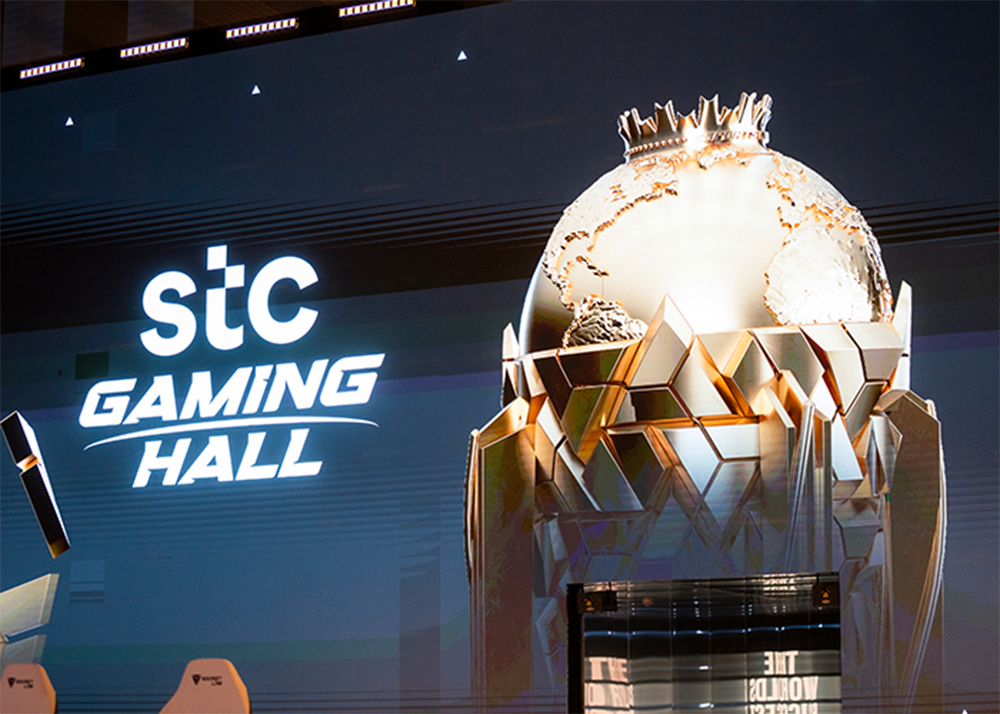
“In stark contrast, the Esports Foundation owns most of our channels, whether that’s our streaming channels or social media channels. We also are extremely selective about the influencers, gamers, streamers and creators that we partner with. As a result, we have access to all the viewership data and measurement across each geography and at every specific moment of time. We know exactly how many people are watching, what they are watching, how long they are watching, and how engaged they are while they are watching. This data is not survey-based; it’s coming out of our platforms in real time,” Al Nimer adds.
“This also means that when we broadcast on YouTube and Twitch and other global streaming platforms, we can customise the visibility of the brand and the integration of the brand per market – which no one else can do on a conventional sports-brand partnership where local media rights per territory dictate how, when and where the brands appear within the content. We’ve brought this to life with many of our partners, for instance, within the Chinese market – where the advertising, visibility, segments, time of day, language used and several other parameters are completely different from an Arabic or English broadcast.”
That is not simply a technical advantage; it is a strategic one. It allows every single partnership to behave less like a blunt instrument and more like a set of market-specific customised tools, calibrated and tailored for each brand and for each of its audiences.
Al Nimer says, “Based on each brand, we can really go granular and customise campaigns based on the language of the broadcast and the purpose they want to achieve. It goes without saying that there’s no point in advertising in English to an audience in China. The same way that we can customise campaigns for Arabic audiences in specific parts of the region based on their digital behavioural patterns and preferences, we can customise campaigns for the Chinese market or the South Korean market or the French market, through collaborations with our broadcasting team and our production partners.”
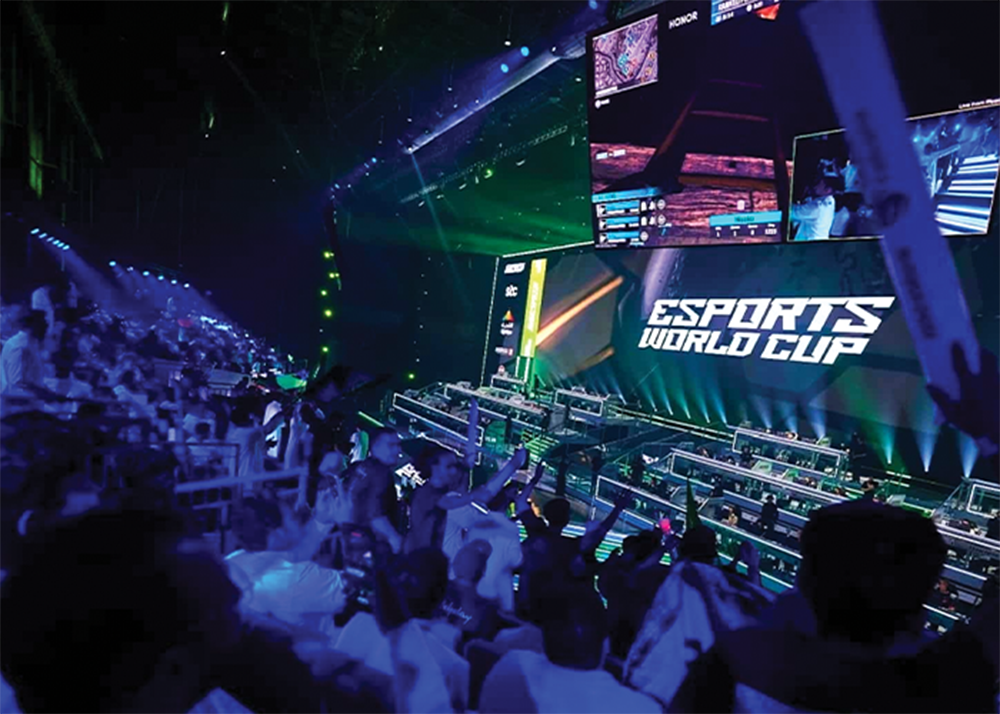
That level of visibility extends beyond streaming into social and creator ecosystems, as well.
Additionally, because the data is richer, it can also be tied more tightly to the frameworks that brands already use to assess value.
Al Nimer says, “We obviously plug in tools to assess, analyse and derive insights from the data. We work with top-tier research companies and media agencies to understand media value because that’s what a lot of brands want to know: if they’re spending $1 with us at the Esports World Cup, they want to know how many dollars in value they will get back.”
This is why it’s not as simple as stamping a logo onto a media wall; it’s more about offering real, measurable value to each brand based on what they are looking to achieve. As a result, each activation – offline and online – is built on context and utility.
Al Nimer adds, “This is why some of the top-tier global brands have come back to partner with EWC. They have seen real value in partnering with us compared with their sponsorships, partnerships and activations with several other formats of sports or entertainment. They have found tangible answers to their questions: ‘What’s the return on advertising spend (ROAS)? What’s the quality of visibility? How is the brand being positioned compared with others? Which specific segments of relevant consumers are being targeted and retargeted? How is this affecting brand sentiment? How many products are being sold at the event?”
“While reach and awareness are important, examples tied to the actual business mechanics of a brand often make the value proposition much easier for marketers to defend internally on their executive committees. This is also why we discuss commercial objectives that drive revenue and profit.”
Case studies: Moving media metrics to commercial outcomes
Here’s what is often left unsaid in marketing conversations: vanity metrics often become the wallpaper: good looking, but meaningless.
Al Nimer calls for proof of commercial objectives met through concrete case studies, where marketers can trace the line from activation to action.
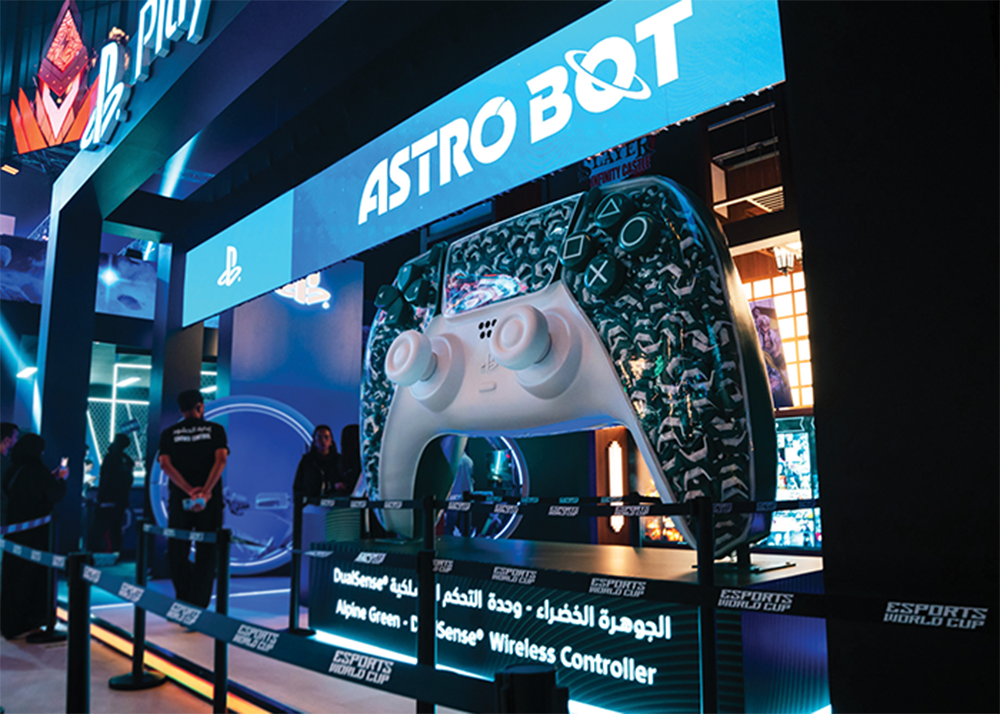
One such example comes from Sony, one of the very first EWC sponsors. The brand used the tournament’s platforms to launch its limited-edition EWC PlayStation controllers in Riyadh, Saudi Arabia. The product was intentionally scarce – with only 2,500 units made available for purchase on site. The entire inventory of controllers sold out quickly. Al Nimer reveals that the demand for the product was so high that it even appeared months later in secondary markets – at sharply elevated prices – including in resale listings in France.
He explains that the commercial logic was not about moving huge quantities. It was about creating desirability through scarcity and attaching that demand to the event itself.
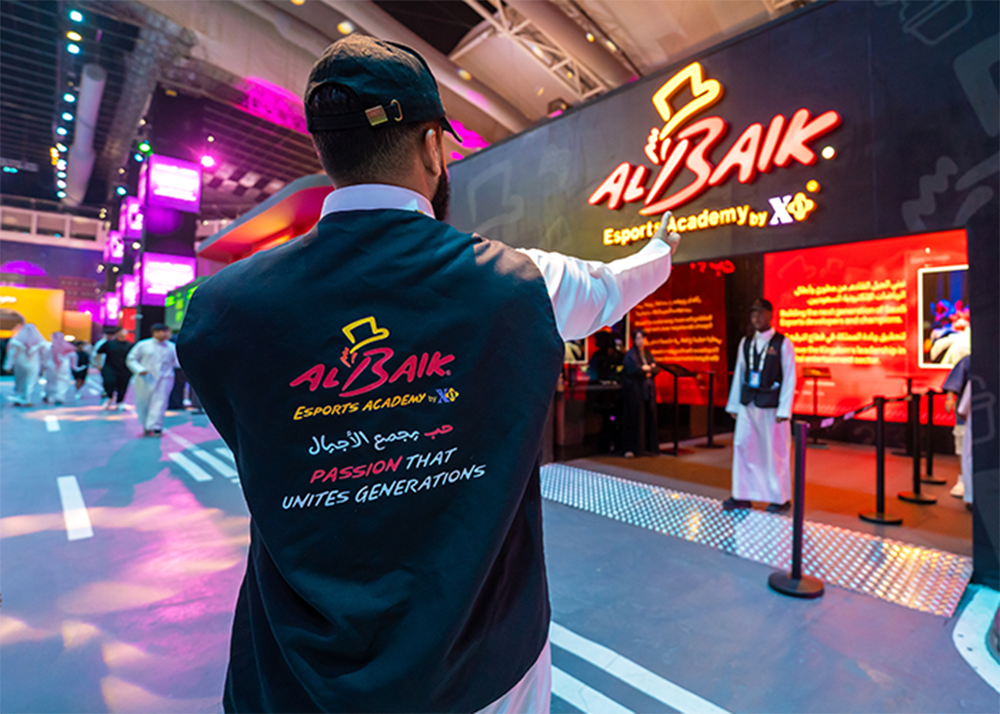
Al Nimer also reveals a similar marketing play within a different category with Saudi fast food restaurant chain ALBAIK, which created a custom-made EWC meal and distributed it at scale in Saudi Arabia. During the seven week-long event, more than 6 million boxes were sold. This proves that brands that partner with EWC go far beyond a traditional sponsorship play. These brands receive far more than exposure; they witness tangible, bottom-of-the-funnel action through direct sales to consumers, as well.
Al Nimer adds, “While reach and awareness are important, examples tied to the actual business mechanics of a brand often make the value proposition much easier for marketers to defend internally on their executive committees and in conversations with their chief executive officers (CEOs) and chief financial officers (CFOs). This is also why we intentionally discuss commercial objectives that drive revenue and profit as much as we discuss less tangible numbers such as awareness, reach, brand lift, net promoter scores (NPS), share of voice and viewership that may feel less tangible, but are equally important to brand growth.”
Cultural bridges between brands, creators and communities
If gaming and esports have their own language, creators and streamers are the most fluent speakers. Al Nimer’s view here is nuanced: creators are not simply channels for rented reach, but figures whose authority comes from daily, direct, community-based relationships. That changes how brands need to think about collaboration.
He explains, “Creators and streamers have become the celebrities of our age. I think what people love about them is that they seem extremely approachable, completely authentic and open about their everyday lives, and engage directly and daily with their audiences. This is extremely different from a day and age when celebrities and stars were aspirational, but very distant and difficult to reach. These creators are extremely connected to hyper-local communities of fans who are, in turn, extremely loyal to them.”
This intimacy is not to be taken lightly; it is the creators’ source of power, presence and influence. Such intimacy and influence have been built from the ground up over a sustained period through constant interaction. Through partnerships with EWC, brands now have ways to connect with these creators in a way that is genuine – and, by extension, build authentic relationships with scores of fans. It will take one creator or streamer to try an ALBAIK chicken meal for the brand to witness millions of fans attempt the same – at which point the quality of the product speaks for itself. The scale of such a creator ecosystem at EWC is substantial.
Al Nimer says, “We had more than 2,000 streamers and creators take part in the Esports World Cup. They either co-streamed our broadcast or were present on ground at the event. This includes both international and local creators and streamers. For example, we worked closely with the UK’s Sidemen – a prominent British collective consisting of YouTubers, social media influencers and internet personalities. We also worked with very well-loved local teams such as the Falcons and Twisted Minds, which have their own creators who are local celebrities.”
EWC 2025 also worked with world-renowned celebrities such as Brazilian footballers Ronaldo and Kaka, tennis star Nick Kyrgios, Formula 1 racer Lando Norris, and singer Post Malone – all of whom were happy to partner with the biggest esports tournament in the world.
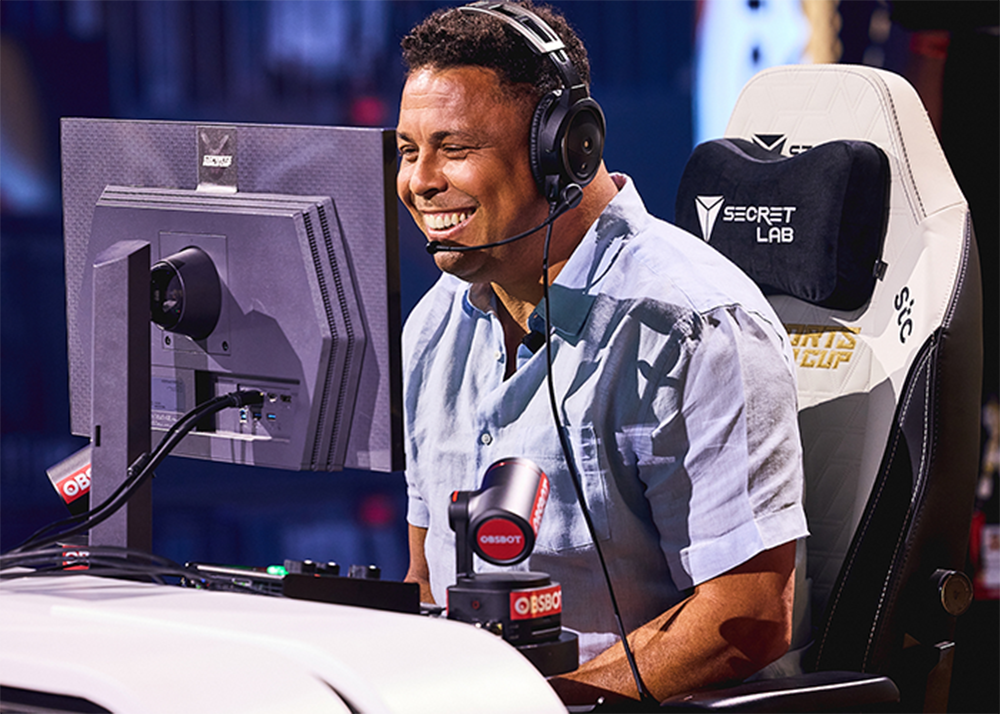
But for Al Nimer, the rule of working with creators, streamers and celebrities is simple and non-negotiable: any integration that feels forced will fail. If the fit is wrong, the audience will know immediately.
He says, “We link brands, our esports tournament, the creators and their audiences in the most authentic and natural way possible. We ensure that each of these elements fit into each other’s DNA. Again, authenticity is the key word here, because if the creators’ fans or fans of the Esports World Cup feel that we’re placing a product or a brand in a way that doesn’t feel legitimate or natural in that ecosystem or content format, it will backfire.”
This requires the Esports Foundation, the partner brands and the creators to work closely and collaboratively to balance several interests at once: the creator’s identity; the event’s own character; the community’s expectations and the marketer’s objectives. Done well, Al Nimer says, the result is a thing of beauty: relationships that seem heaven-blessed.
Great! Where do brands start?
For brands that want a piece of the pie, the answer is not to jump straight into the fray, but to begin with clarity.
The temptation: open a branded world, sign a creator, sponsor a stream, build a map, test a game, buy some media and hope that participation itself will signal relevance and revenue.
Al Nimer’s answer is more grounded. Before choosing a channel, a format or a title, brands need to identify the commercial and cultural task they are trying to accomplish.
What he describes is a carefully curated platform play. EWC includes competitive play across 24 of the biggest games. Compound that with creators, streamers, broadcast channels, local and global distribution, celebrity participation and wider entertainment experiences. The goal should never be to have a bite of all of it, but to assess the best entry points based on the brief.
Al Nimer explains, “I think the beauty of what we have lies in the strength of our product. There’s a whole ecosystem that revolves around it. There is no other esports event anywhere else in the world that unites the biggest publishers, the biggest games, the best professional players, the most influential streamers, the most enthusiastic celebrities who champion esports, and some of the most hardcore fans in the world. They are already dedicating everything that brands want – time, attention, purchase intent and loyalty.”
This means that there can never be a meaningful one-size-fits-all package. The right answer depends on the brand, the market, the launch cycle, the communication challenge and the desired outcome.
In conclusion, Al Nimer does not present gaming and esports as magic dust to be sprinkled over lazy or mediocre brand strategies. He presents it as a serious, multifaceted environment that rewards rigour. Its scale is undeniable. Its audience is deeply invested. Its data is unusually rich. Its creative possibilities are broad. But none of that absolves marketers of the strategic hard work that will bring them the most return for every dollar spent.
The brands most likely to succeed within gaming and esports ecosystems will be the ones that arrive with a clear diagnosis and a willingness to learn the local language of the space. In that respect, gaming and esports are not so different from any other powerful cultural arena. Gaming does not invite brands to be seen; it invites brands to belong.