Trust has become one of the hospitality industry’s strongest competitive advantages. Travellers today make decisions long before they arrive at a hotel, comparing brands across search engines, booking platforms, social media, online reviews and company websites. Every interaction shapes expectations, meaning trust is no longer built at check-in. It begins with the first digital impression and continues throughout the entire customer journey.
According to the 2025 Edelman Trust Barometer, trust remains one of the strongest drivers of consumer confidence, while PwC’s Global Consumer Insights Survey shows customers are increasingly likely to remain loyal to businesses that consistently deliver on their promises. Meanwhile, McKinsey & Company has reported that improving customer experience can increase customer satisfaction, strengthen loyalty and drive long-term financial performance. I believe these findings reinforce an important reality for hospitality brands. Marketing creates expectations, but operations determine whether those expectations are fulfilled.
For years, hotels competed primarily on location, room quality and price. Those factors remain important, but they no longer provide lasting differentiation. Today’s guests pay closer attention to the details. They notice whether booking information is accurate, whether staff communicate consistently across departments, whether requests are resolved quickly and whether the overall experience matches what was promised before arrival. According to I, trust is built through hundreds of small interactions rather than one memorable moment.
This changing landscape means marketing and operations can no longer function independently. Every advertising campaign, social media post, website description or influencer collaboration creates an operational commitment. If a hotel promises seamless service, every stage of the guest journey must feel seamless. If it promotes personalised hospitality, employees need the authority, training and systems to deliver that experience consistently. I think that the strongest brands are those that ensure their internal culture reflects the promises made through external communications.
One of the biggest challenges facing hospitality businesses is the growing complexity of customer expectations. Many brands continue adding more facilities, technology and services in an effort to stand out. More restaurants, additional room categories, digital features and loyalty programmes may strengthen a marketing message, but they also increase operational pressure. I believe every new promise should be supported by the people, processes and resources required to deliver it consistently. Otherwise, complexity risks undermining customer confidence rather than strengthening it.
Some of the world’s most respected hospitality brands demonstrate a different approach. Four Seasons has built its reputation on consistent personalised service across global markets, while Ritz-Carlton has long empowered frontline employees to resolve guest issues quickly without unnecessary layers of approval. These brands understand that trust is earned through reliable execution rather than excessive choice. Guests rarely recommend a hotel because it had the most facilities. They recommend it because every interaction felt straightforward, dependable and consistent.
This philosophy also shapes the approach at Mileo Dubai, where service consistency is prioritised across accommodation, dining, wellness and guest services. Families, business travellers and guests staying for extended periods all use the property differently, yet they consistently value the same fundamentals. Clear communication, responsive service, reliable maintenance and practical convenience influence guest satisfaction far more than unnecessary complexity. I believe these principles remain relevant regardless of location, although every destination should adapt its operations to local market expectations.
As the Mileo portfolio expands into different markets, including the planned Mileo Dominica development, I believe local relevance will become increasingly important. While core service standards should remain consistent, customer expectations, cultural preferences and operational challenges differ from one destination to another. Successful hospitality brands should maintain a clear identity while allowing local teams the flexibility to deliver experiences that feel authentic to each market.
Technology is also reshaping how hospitality brands earn confidence. Artificial intelligence, digital concierge services and personalised recommendations are becoming increasingly common, but they also bring greater responsibility. Guests expect technology to simplify their experience while remaining transparent about how personal information is collected, protected and used. At Mileo Dubai, digital tools are viewed as a way to remove friction from the guest journey rather than replace personal interaction, an approach I believes will become increasingly important across the wider hospitality industry.
Looking ahead over the next three to five years, I expect trust to become one of hospitality’s most valuable commercial assets. Travellers are likely to expect faster responses, greater personalisation and seamless digital experiences while placing increasing value on authenticity, transparency and responsible data use. Brands that successfully combine technology with genuine human service will be better positioned to build long-term loyalty and differentiate themselves in increasingly competitive markets.
For marketers and communications leaders, the implications extend well beyond creative campaigns. Brand trust should be measured not only through awareness or engagement, but also through guest satisfaction, service recovery, repeat bookings, online reputation and customer advocacy. Marketing teams should work more closely with operations, customer service and frontline employees to ensure every external promise is supported by the internal capability to deliver it. I believe organisations that align brand strategy with operational excellence will be the ones that earn lasting customer confidence.
The hospitality brands that lead over the coming decade will not necessarily be those with the largest portfolios or the biggest advertising budgets. They will be the organisations that consistently align their brand promise with the everyday guest experience. For me, trust is no longer simply the outcome of good service. It has become a strategic asset that shapes reputation, strengthens loyalty and drives sustainable business growth across the hospitality industry
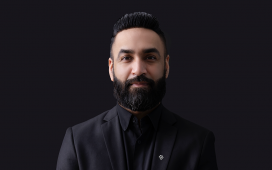
By Yasam Ayavefe – Owner, Mileo Hotels.