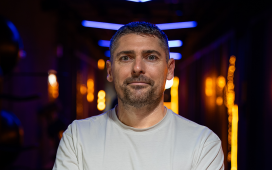
Meydan Free Zone has launched a six-episode YouTube series called CX Files showcasing the real work behind customer experience (CX) at the free zone, and what happens when CX gets tested.
Each episode highlights the importance of CX and reminds audiences of what happens when things go wrong; when parts of the process fails; when the stakes rise; when there are no perfect answers – and people have to make decisions under pressure, deciding what happens next.
The series was developed by digital and growth marketing agency Créo Global for concept and scripting, produced by Naas Digital, with social media strategy and execution handled by Créo Global. The campaign was led by the Meydan Free Zone marketing and CX teams.
CX Files aimed to address a key gap in the marketing: Free zone markets in the UAE are competitive. Products and pricing are often similar. What separates one from another is how people are treated when the process breaks down.
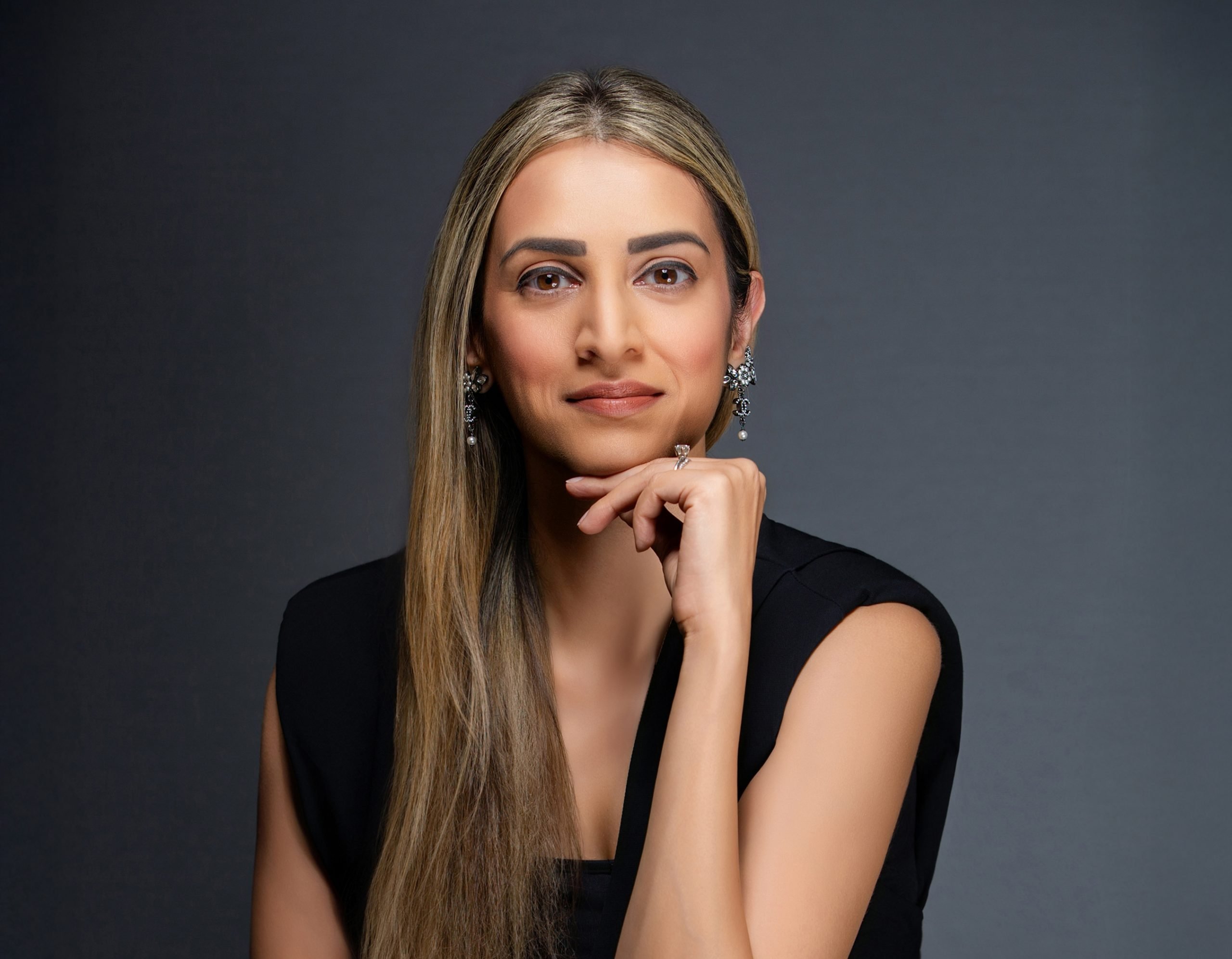
“We wanted to show what customer experience actually looks like when things go wrong. Most companies say they care about their customers. We wanted to document what that means at midnight, under deadline, when someone’s visa has expired and a 12-million-dirham deal is about to collapse,” said Jaimesha Patel, CEO, Créo Global, in conversation with Campaign Middle East.
“The goal was simple: give prospective clients a reason to trust us before they ever pick up the phone, and give existing clients proof that what they’ve experienced is the standard, not the exception,” Patel added.
View this post on Instagram
Rollout of the CX Files YouTube series
CX Files was ideated as a six-episode YouTube series. The brand’s owned YouTube hosts the full-length horizontal episodes, as well as the vertical variant. No condensed versions, no summaries. The social rollout wraps around Ramadan across four phases.
Each episode is roughly between 5 minutes and 18 minutes long, but is shot in a gripping, dramatic mini-series format.
Phase 1 was about planting curiosity. About a week before Ramadan, teaser content went out across Instagram, TikTok, LinkedIn and YouTube. Static posts, a short Reel, behind-the-scenes clips and bloopers on Stories. Just enough to signal something was coming.
Phase 2 was launch. All six episodes went live on YouTube on the same day, arranged in a master playlist by emotional arc. Each episode got its own highlight Reel, static post, and Stories driving to the full episode. TikTok ran on a drip schedule with vertical cuts released over several days. Mid-week polls pulled viewers into conversation.
Phase 3 carries through Ramadan. The content gets lighter here: behind-the-scenes footage from the shoot, funniest episode cuts, re-entry hooks for people discovering the series late. As Ramadan closes, the tone shifts toward reflection and meaning, wrapping with Eid comms.
View this post on Instagram
Phase 4 is longevity. The brand resurfaces the clips that resonated most, repackage the most rewatched and most shared moments, and position the series as something that outlasts the campaign window.
No billboards, TV, or radio. The format had to match the message, and a documentary series on YouTube does that better than a 30-second spot.
View this post on Instagram
Strategy and targeting of the CX Files
The CX Files was targeted at three distinct groups:
- Existing Meydan Freezone clients, to reinforce that the service they’ve received is intentional and consistent.
- Entrepreneurs and businesses evaluating UAE free zones, especially those comparing multiple options and looking for evidence that a free zone will actually show up for them when it matters.
- The wider business and CX community on LinkedIn. People who care about what great service looks like in practice. This audience drives organic reach and positions Meydan Freezone within a conversation we want to lead.
Patel explained, “These stories need room to breathe. You can’t compress a deportation crisis or a midnight system override into a 30-second ad and expect anyone to feel the weight of it. YouTube gives us the space to let tension build and let viewers sit with the pressure the team was under.”
“Instagram and TikTok are where our audience scrolls. The social content works as a front door: short, punchy, designed to stop the thumb and make someone curious enough to watch the full episode. Vertical formats on TikTok and Reels use a drip approach to sustain interest over weeks,” she added.
Paid ads follow a clear principle: create curiosity about the series, never summarise it. Every ad introduces tension or emotion and leads directly to the full episode.
Narrative tension is preferred over explanation.
On YouTube that means skippable and unskippable in-stream ads with a strong hook in the first three seconds.
On Meta, vertical-only formats across Reels, Stories, and Feed, all redirecting to YouTube.
“LinkedIn also matters because employees sharing the series creates organic distribution within exactly the professional networks we want to reach,” Patel.
Every single channel choice made by the brand comes back to one principle: show the work, let people decide for themselves.
Althought the stories are rooted in Dubai and is reflected as such in the content, since the CX Files lives on YouTube and social media, anyone can find it. All the details are specific to life in the UAE: Immigration processes, free zone licensing, NOC approvals, a road trip to Ras Al Khaimah that gets interrupted by a crisis.
The active campaign spans roughly eight weeks across four phases. It launched in early February with teaser content, moved into full episode release and social amplification through mid-to-late February, continues through Ramadan with re-entry hooks and behind-the-scenes content, and closes around Eid with a shift into longevity mode. After that, the episodes stay up permanently.
“They’re designed as a long-term brand asset we can clip, repackage, and resurface. Best-performing moments and most-shared clips get recycled into future content. The series doesn’t expire. If it does its job, it becomes something we keep coming back to,” Patel said. “The primary success metric is views on YouTube and TikTok. That’s the clearest signal that people are watching the full stories, which is the whole point.”
Beyond views, the brand will also measure success not just by how many people watched, but by how many engaged, participated, and experienced a measurable shift in perception.
“On social, saves and shares matter more than likes because they indicate genuine interest. Comment quality tells us whether people are engaging with the stories or just scrolling past. Employee participation is a metric in its own right. We want to see how many team members share the series organically on LinkedIn without being prompted,” Patel added.
Longer term, the agency is also monitoring business impact: whether the series starts showing up in prospect conversations, whether clients reference it, and whether it shifts how people talk about Meydan Freezone when comparing free zones.
“If someone asks “why Meydan Freezone?” and this series becomes part of the answer, it’s working,” Patel concluded.
CREDITS:
Client: Meydan Free Zone
Meydan Free Zone marketing and CX teams
Concept, scripting, social media strategy and execution: Créo Global
Production: Naas Digital