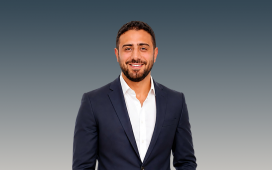
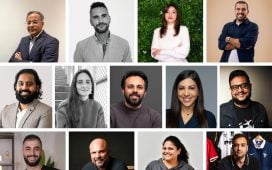
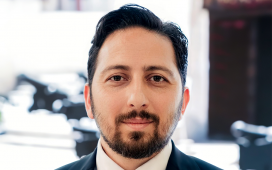
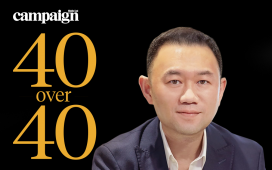
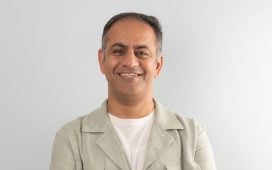
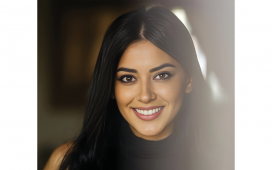
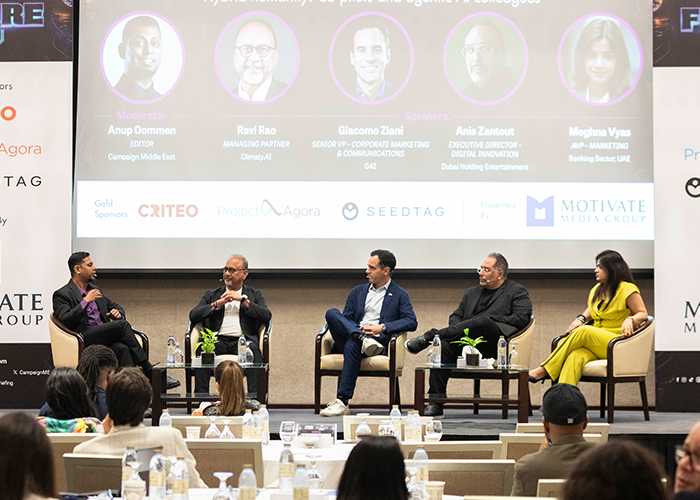
 From Anup Oommen, Editor, Campaign Middle East; Ravi Rao, Managing Partner, Climaty.AI; Giacomo Ziani, Senior VP – Corporate Marketing & Communications, G42; Anis Zantout, Executive Director – Digital Innovation, Dubai Holding Entertainment; Meghna Vyas, AVP – Marketing, Banking Sector, UAE.
Campaign Middle East has successfully concluded its fourth event of the year – Campaign Breakfast Briefing: The Future Is Now 2025. The event witnessed a room full of client-side marketers, agency and adtech leaders dive deep into critical conversations on bringing back the spark of discovery and the joy of online shopping; balancing the benefits of the open web with dominating platforms; and taking a careful step towards a hybrid organisational structure that comprises AI-native employees, co-pilots and agentic AI.
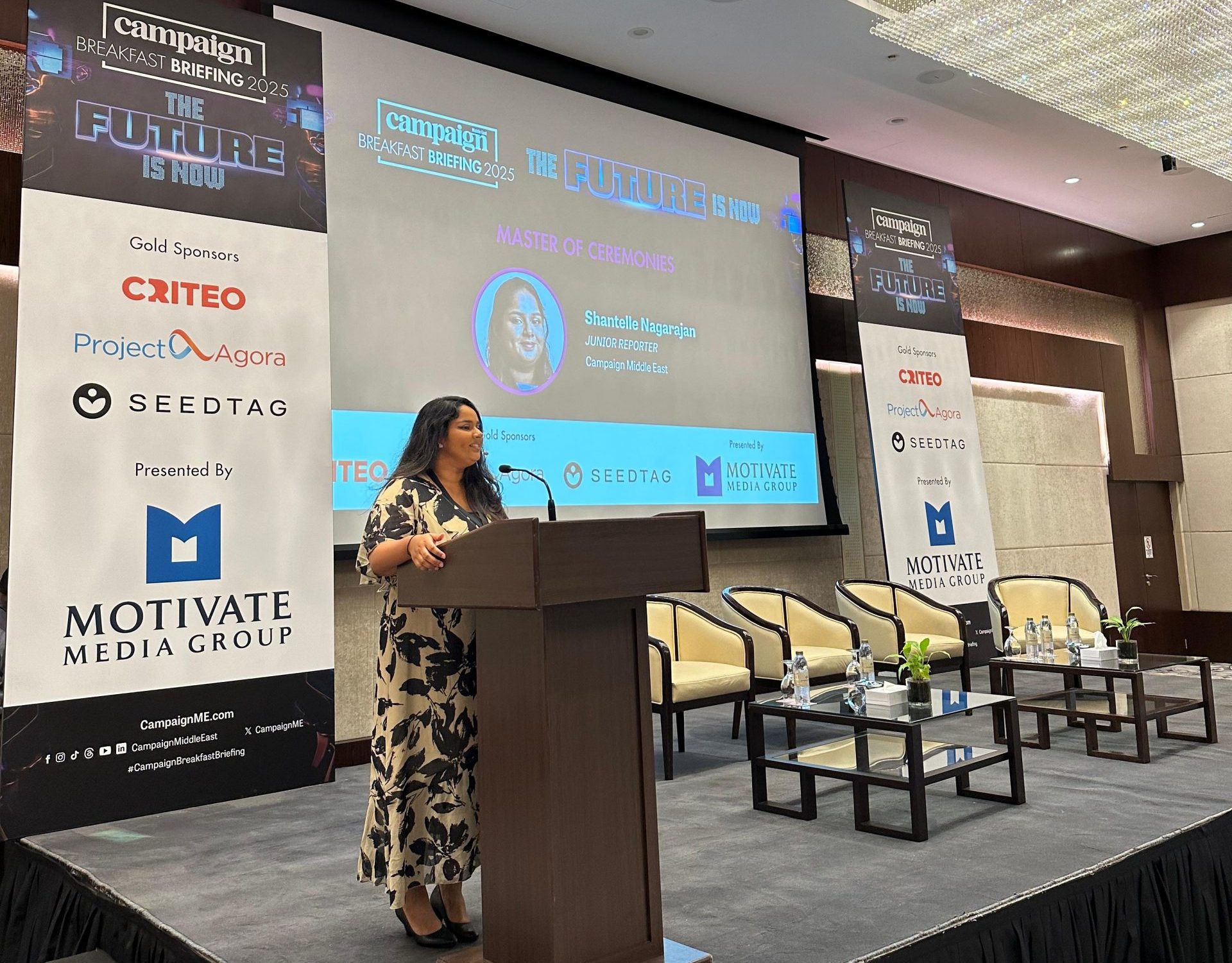
The event hosted by Shantelle Nagarajan, the Master of Ceremonies for the event, also witnessed the first-ever Campaign Debate with clients and agencies going head-to-head on whether creativity has lost its showmanship due its focus on data.
The deadline to Campaign’s Agency of The Year Middle East awards is fast approaching on September 18. Click here to submit your entry now for a chance to be recognised as the best in the region.
At the outset, the event began with a look at how AI-powered commerce can reignite the emotional side of shopping, while still delivering the performance that marketers demand. The fireside chat dissected how efficiency has edged out delight in today’s digital-first world, and why marketers must bring back joy and surprise to what has become a transactional market.
The first panel tackled how agencies and publishers can simplify buying, modernise planning, and unlock smarter performance by leaning into big platforms while tapping into the growing opportunities offered by the open web. The second panel delved into the various stages of maturity in the adoption of AI copilots and agentic AI across sectors, the benefits of such ’employees’ within the marketing organisational structure, and the guardrails that need to be put in place before marketers go ‘all in’ on agentic AI.
The Campaign Debate had people at the edge of their seats at the very end with an animated back-and-forth between the ‘For’ and ‘Against’ teams on a topic that has long been controversial in the marketing landscape.
Here’s an in-depth look into how the event – organised by Motivate Media Group’s Campaign Middle East, in partnership with Criteo, Project Agora and Seedtag – panned out:
Welcome speech
The event began with a welcome speech by Nadeem Quraishi, Publishing Director, Campaign Middle East, who briefed the attendees about the brand’s latest developments and upcoming plans for the fourth quarter of 2025.
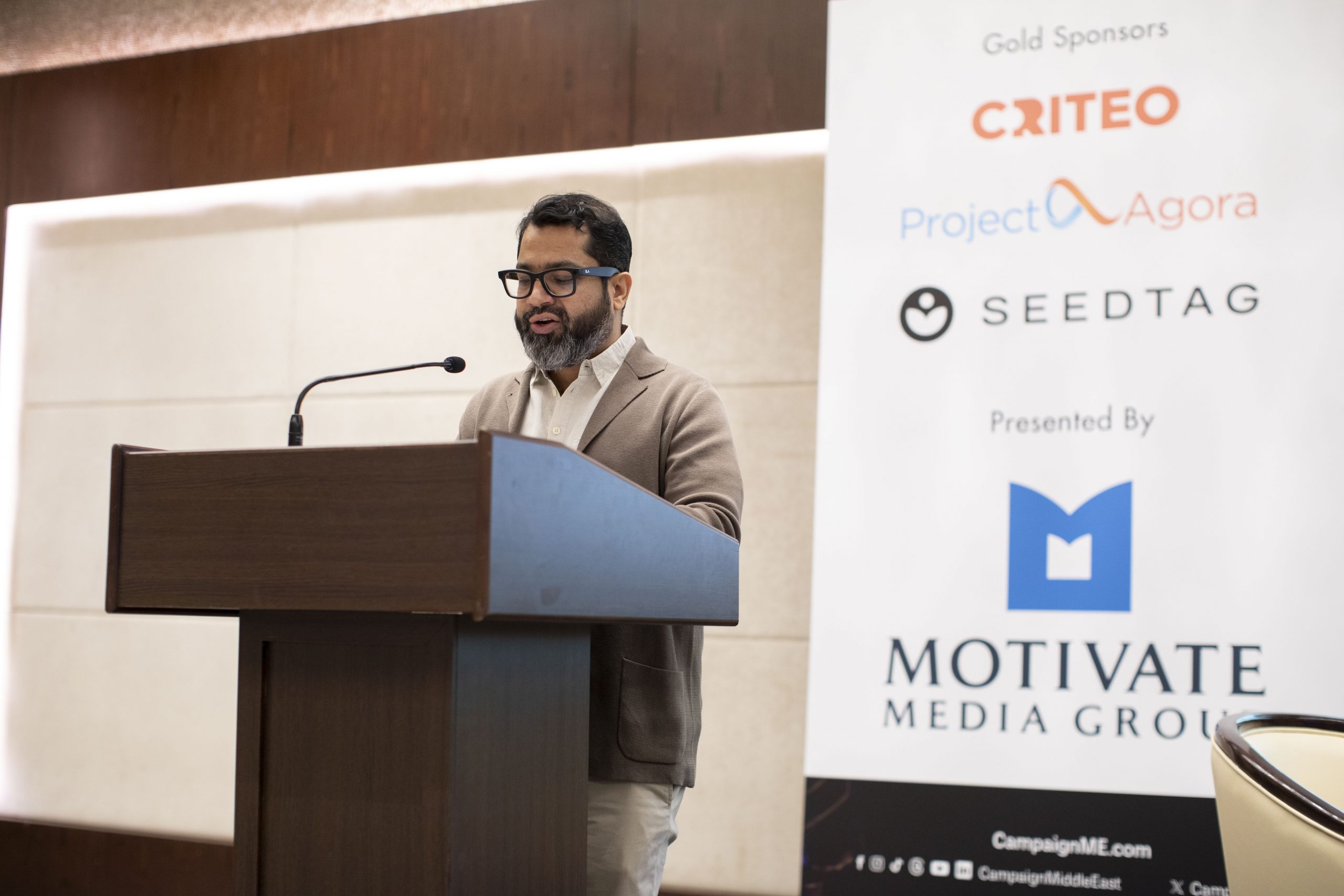
Quraishi introduced Campaign Middle East’s first-ever Marketing Game Changers Awards, a dedicated platform to celebrate client-side marketers shaping the future of our industry. The awards recognise the region’s top marketers who can prove performance and business impact, effective brand building, creativity and innovation, leadership calibre and talent development to a jury of some of the most powerful agency and media leaders in the Middle East. These awards are free to enter. The submission deadline is 24 September 2025. Apply here.
He also shared the latest details about the upcoming Athar Festival in Riyadh, which will gather more than 3,000 attendees across two days, featuring more than 150 speakers across five content stages, as well as more than 80 activations on 21 and 22 October 2025 at the JAX District in Riyadh.
Quraishi revealed the latest details – including six new categories and the return of the Best Agency in Lebanon honour – for Campaign Middle East’s Agency of the Year Awards, which is scheduled to take place on 11 December in Dubai. Entries for these awards are open until 18 September 2025.
Chair’s opening remarks
Campaign Middle East Editor Anup Oommen then took the stage to deliver the chair’s opening remarks. He dared marketers and agency leaders to ‘dream again’; to test, learn and experiment; to truly listen to clients and consumers; and to bring accountability back to craft, culture, creativity as well as brand and business outcomes.

Oommen detailed how the industry is still playing catch up with the speed of tech advancements and the speed of culture. He spoke of an industry where all the deadlines ended the day before yesterday; where margins are tight; where competition is extremely high; where agencies are leaking talent; where RFPs remain unpaid and ideas are blatantly stolen; and where trends and cutting costs often overtake value.
He said, “I’d like to challenge the industry this morning: In a world of speed, let’s pause, think and strategise. In a world of noise, let’s listen. In a world where everyone has an answer, let’s prompt correctly and ask the right questions. In a world where success is glorified, let’s experiment and fail fast. In a world that’s chasing vanity metrics, clicks and ROAS, let’s build incrementality – measure what matters. In a world where everyone is chasing fleeting trends, let’s live by timeless values. In a world that’s getting comfortable with mediocrity and laziness, let’s be accountable to our craft, culture, creativity, client’s brand and business outcome, as well as social impact, people and the planet we’re called to serve.”
Calling it a ‘challenging path’ but one that is brimming with opportunity for those willing to lead the charge, Oommen added, “I dare us to be the people the world needs – not scrounging for others’ time and attention, but building an industry cemented on trust and empathy. I dare us all to dream again. Dream as big as this beautiful city of Dubai has dreamed – and then make those dreams a reality.”
Fireside Chat: Rekindling the spark of discovery: AI, emotion, and the future of shopping
Getting the event started, Gosia Wajchert, Managing Director – MEA, Criteo, led a fireside chat on stage with Andre Matarazzo, Director of Creative, Content and Communication, Majid Al Futtaim, and Jonathan Flender, Vice President of Digital and Omni, GMG.
Building on Criteo’s recent The Spark of Discovery report about reigniting positive emotions within the e-commerce experience, Wajchert began the discussion highlighting how 54 per cent of consumers want joy when shopping online, but 76 per cent of them say that the experience feels flat.
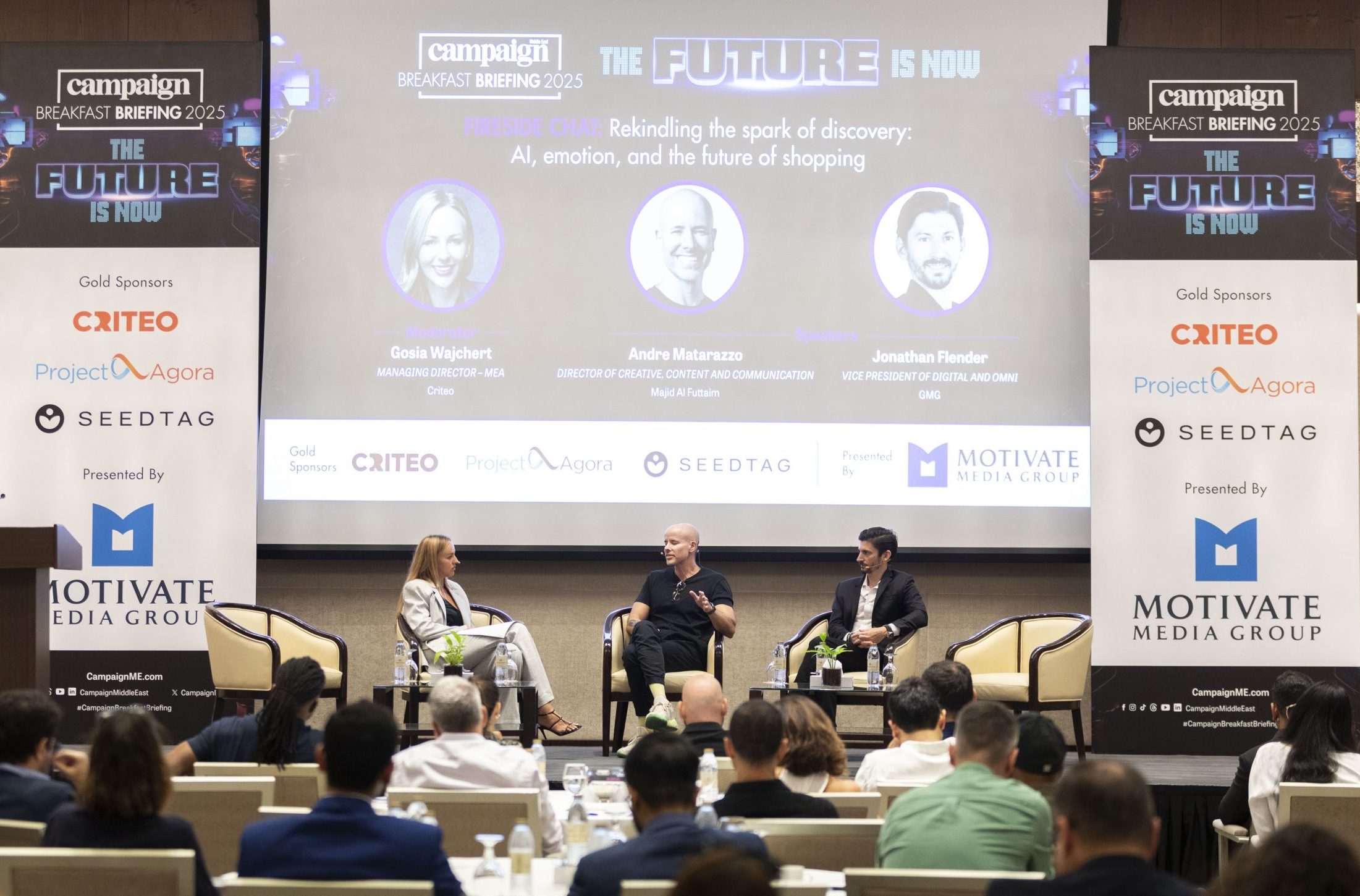
GMG’s Flender detailed how AI tools and advancements in technology have added positive emotions to online shopping by ensuring ease of discovery and access. He shared how AI has made it much easier to understand brands and their products and access them easily — making the shopping journey more comfortable.
Flender also shared how AI can be used for precise personalisation — creating that ‘wow’ moment where brands can make people feel special, like brands know and understand them. He also shared how AI has removed ‘frustration’ by creating seamless and frictionless experiences.
“So our focus as much as we can is to remove frustration. Many people talk about working towards a seamless experience, but seamless starts with the absence of friction., and we should start focusing on that at a channel level individually before we discuss omnichannel. The true joy of shopping sometimes lies in getting the basics right, and ensuring a smooth shopping experience,” Flender said.
Addressing the argument from a creative angle, Majid Al Futtaim’s Matarazzo added, “AI is ensuring excitement in the way we put products in front of people; how the product itself can look more exciting. It has permitted for so many different versions of a creative – even where people can put their own face on a product; or picture a product inside their home before they even buy it. AI is helping spark such great emotions, while also allowing marketers to execute ideas at a much faster pace and a much cheaper cost than before.”
To view the panel discussion in its entirety, watch the full video of the Campaign Breakfast Briefing here.
Panel 1: Scaling smart: Can the Open Web compete in a platform-dominated world?
The first panel discussion of the day witnessed equal representation across the stage, with one client, one publisher, one performance marketer and one adtech moderator on stage. This included:
- Maher Kassab, Associate Director – Digital Marketing, ARADA
- Umar Nisar Siddiqui, Head of Programmatic, Khaleej Times
- Andrew Ene, Head of Performance, Spark Foundry MENA, and
- Elie Chammas, Regional Director MENA, Project Agora, as the moderator.
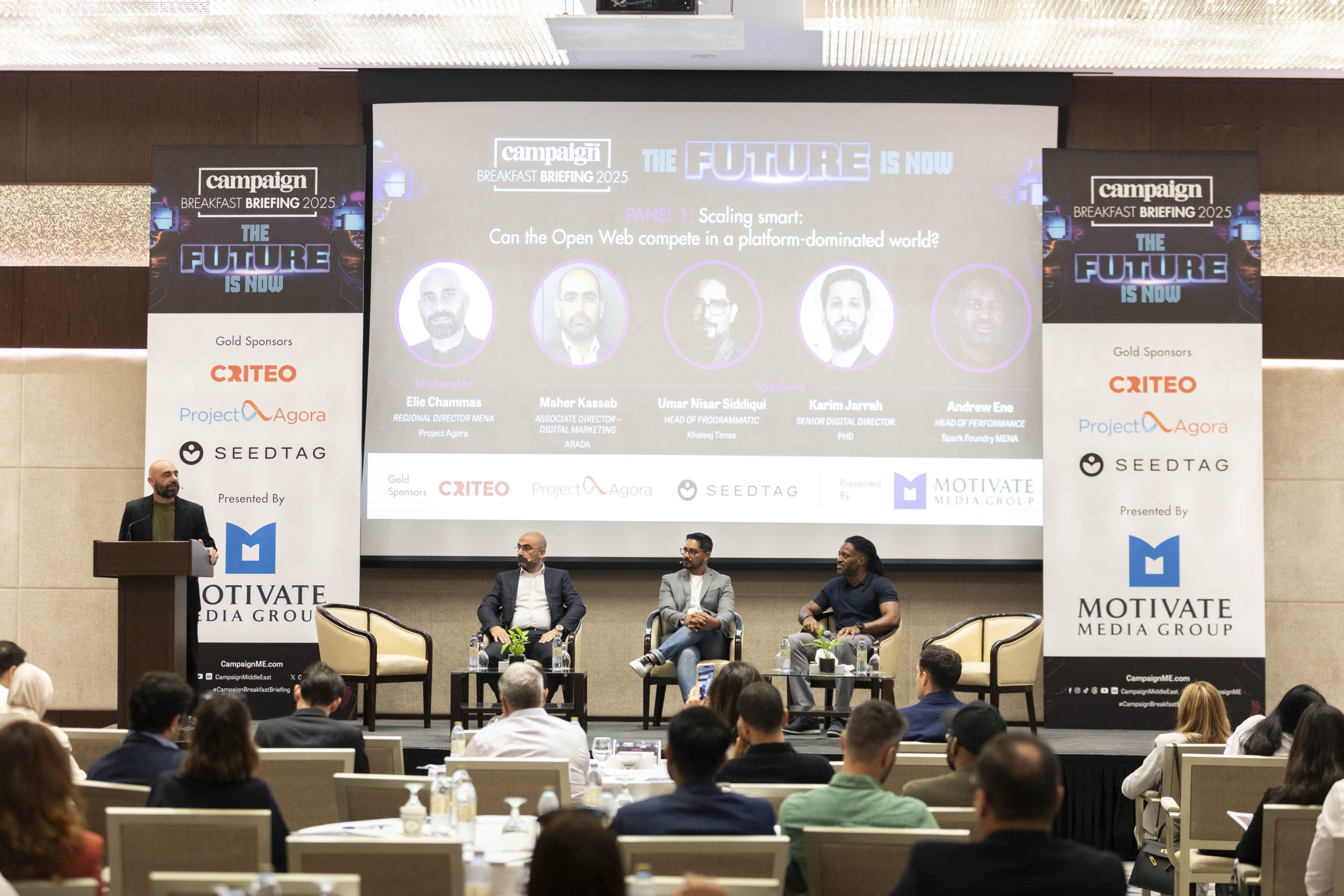
The panel, powered by Project Agora, took a deep dive into how performance budgets continue to flow heavily toward giants such as Meta, Google, and TikTok — drawn by their scale, automation and ease of use. But as saturation looms and brands look for fresh reach, the panel raised the question whether there is a growing opportunity for the open web to reclaim its share.
The discussion spotlighted how 60 per cent to 70 per cent of user time is spent on the open web but advertisers often still focus on major platforms.
Panelists discussed AI’s role in optimising content, targeting and campaign efficiency. They also spoke about the need for agencies to test new platforms; the role of publishers in creating high-quality, brand-safe environments that drive value and engagement; and the need for brands and advertisers to develop an appetite for innovation and experimentation on the open web.
ARADA’s Kassab said, “AI plays an essential role in terms of creating custom audiences and linking it to our CRM. Also, AI helps us to analyse and optimise data better, which results in better performance of our marketing campaigns. For instance, if an investor is looking for a luxury property, we show them directly what they’re looking for – what’s relevant to them – which not only minimises the cost in terms of how we’re showing the ad and acquiring customers, but also in terms of the efficiency of our campaigns.”
Spark Foundry MENA’s Ene added, “AI enables us to build custom algorithms, which in turn enables us to alter the algorithms within walled gardens to actually drive value across multiple KPIs or the specific objectives that clients have set for us as agencies, which we may not otherwise be able to do within the platforms. For example, today you can’t bid based on attention within these platforms, even if they have the most attentive audiences, but with AI we can build a similar tool, which can help us bid based on attention, driving more budget to the right audiences.”
Khaleej Times’ Siddiqui explained, “So from a publisher’s perspective, we don’t just deliver your ads. We create content and the right environments where your ads can be placed. The point is to create a brand-safe, trusted and credible environment where the attention is the highest, but also where ads can be placed in the right context. Once advertisers understand that users are reading an article in a specific context, or consuming content to gain knowledge on a specific topic, it’s far easier to approach them with ads that are relevant and ad value in that context.”
The overall consensus was that the time has come to test and experiment with newer platforms; optimise data and CRM integration to create better customer audiences; and while major platforms dominate, there’s still room for innovation and experimentation on the open web.
To view the panel discussion in its entirety, watch the full video of the Campaign Breakfast Briefing here.
Panel 2: Hybrid humanity: Co-pilots and agentic AI colleagues
The second panel, and moderated by Anup Oommen, Editor, Campaign Middle East, welcomed to the stage,
- Ravi Rao, Managing Partner, Climaty.AI
- Giacomo Ziani, Senior VP – Corporate Marketing & Communications, G42
- Anis Zantout, Executive Director – Digital Innovation, Dubai Holding Entertainment, and
- Meghna Vyas, AVP – Marketing, Banking Sector, UAE
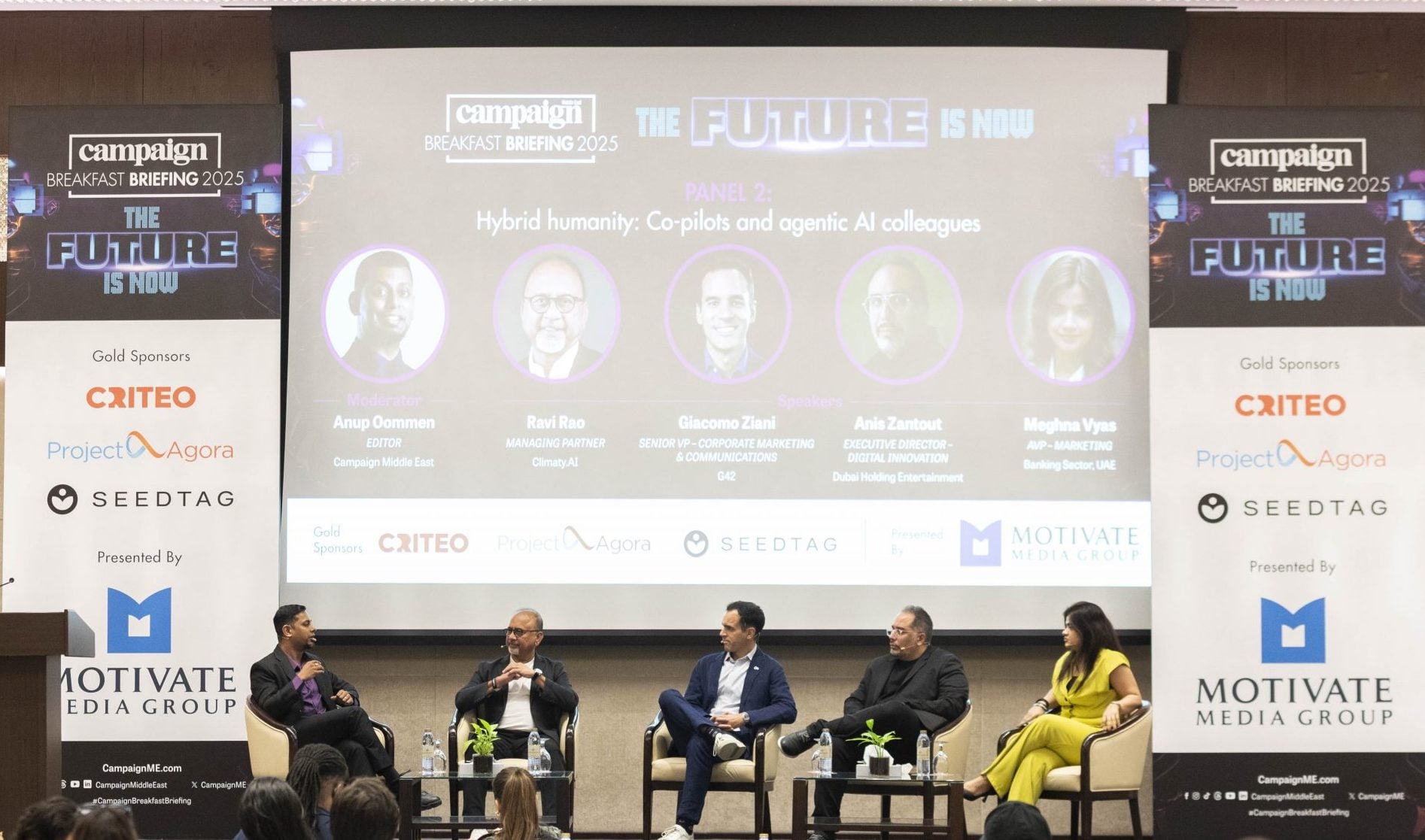
The panel included candid perspectives, bold predictions, and practical insights on how to enter into an age where AI co-pilots and agentic AI change the marketing organisational structure for good. It also delved into challenges that need to be addressed, and key aspects such as ethical concerns and guardrails that need to be put in place before marketers deploy agentic AI across regional sectors.
Climaty.AI’s Rao shared case studies on how several brands have deployed agentic AI, reducing time spent on campaign creation, optimising the performance of campaigns in real-time, and saving several millions in cost.
G42’s Ziani called for clear governance and ethical frameworks to be set, with humans as consumers, producers, orchestrators and supervisors of agentic AI.
Dubai Holding Entertainment’s Zantout shared the benefits of AI co-pilots and agentic AI, while also calling out the homogeneity of AI-generated taglines and the importance of maintaining maintaining brand identity and ethics within the deployment of agentic AI.
Meanwhile, Vyas discussed the shift towards hybrid roles that combine AI copilots organically into current roles, but shared the need for upskilling and organisational changes.

Ziani said, “The fabric of organisations and marketing teams is changing, It’s becoming hybrid with agentic AI plus humans. However, beyond upskilling individual skills, we all need to build our expertise in prompt engineering and other such functions. Marketing has already begun to witness cross-functional convergence in terms of skills, compliance, governance, data science, creative technologists and more.”
Zantout added, “The main point is understanding that in the workforce of the future all our work activities are either getting augmented or autonomous, For roles such as creatives, designers, narrators, we will see several AI tools augmenting the human process, where critical thinking and cultural understanding stays with the humans but the execution lies with the copilots. In other roles such as lead prospecting, we will see autonomous engines such as agentic AI deployed, simply because they can do it much faster and more efficiently. However, we need to understand how to split agentic AI into different task forces with sub tasks and send instructions, understanding the statements. This means we need to bring programming language into the marketing world.”
Rao warned, “While agentic AI has made the case for itself in terms of optimising campaigns, saving costs and time, we also must understand that we still need human intervention to steer clear of bias. Agentic AI also needs to be held accountable. It’s not as simple as pressing a button and going home. When we speak autonomous versus augmented, I would say that we must start autonomous in a small scale and then amplify it in the marketing landscape slowly with time.”
Vyas further stressed on the need for human oversight in certain sectors such as banking, especially due to regulatory requirements and compliance. She also pointed to the need for marketers to upskill fast.
She said, “AI knowledge is becoming a key part of what marketers need to seek. With every new tool and advance in technology, there’s a certain expertise and knowledge that we need to develop, while keeping our marketer’s or creative’s hat on. Some of us are still in the early stages of discovering these things.”
To view the panel discussion in its entirety, watch the full video of the Campaign Breakfast Briefing here.
Campaign Debate: Has creativity lost its showmanship due to its focus on data?
The final session at the event witnessed Campaign Middle East launch its first-ever Campaign Debate, which ran as a full-fledged, animated exchange, complete with opening statements and rebuttals. The debate featured agency leaders and client-side marketers battle out opposing viewpoints.
On ‘Team For’, supporting the notion that the over-reliance on data has indeed led to creativity losing its showmanship, were:
- Rory McEntee, Chief Marketing Officer, GymNation
- Dr. Hoda Daou, Managing Director, Annalect
On ‘Team Against’, stating the case that data has only led to better creativity and hasn’t negatively affected its ‘showmanship’, were:
- Passant El-Ghanem, Marketing Director – Middle East & Africa, Kraft Heinz
- Mazen Nahawi, Founder and CEO, CARMA and SOCIALEYEZ
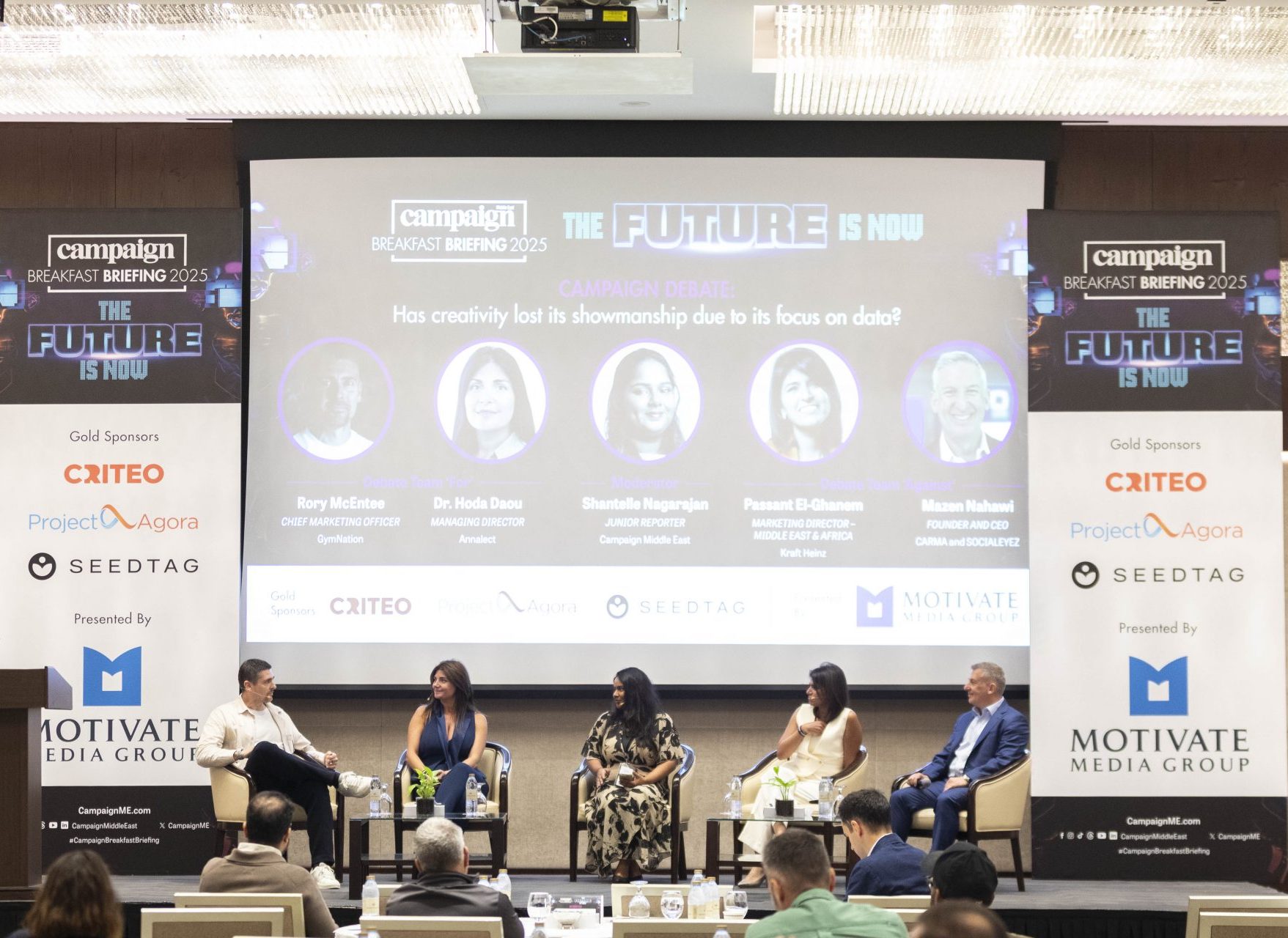
The debate centred on the impact of data-driven marketing on creativity. Panelists discussed whether data-driven campaigns lack the unique insights and instincts of historical creative and intuition led campaigns. Leaders debated whether data has democratised inspiration, making it more accessible, or whether data has informed and inspired better creativity through a clearer understanding of cultural intelligence.
GymNation’s McEntee said, “What we’re seeing is people pulling public data to drive copy, creative strategy and campaigns, and they’re following this formulaic approach, which is making everything feel the same. So I ask us, do we want campaigns that inspire and surprise and delight us, or do we want these look alike campaigns?”
CARMA and SOCIALEYEZ’s Nahawi countered, “Data and facts are neutral in nature. They cannot move you forward and they cannot move you backward. They are available. You use them well, you’ll get good outcomes. If you don’t, you won’t.”
Making the case for Team For, Annalect’s Daou said, “Data is used to validate, to confirm and to cross-check whether a hypothesis that people have is right or wrong. It drives people towards a specific direction. However, creativity calls for people to challenge the norms. When you challenge, you know the lay of the land, and this is where you create your uniqueness, your identity, your intellectual property.”
Kraft Heinz’s El-Ghanem, said, “Dashboards are not the villains. The problem arises when we use these dashboards as a safety blanket and stay within our comfort zone in order to stay with what is comfortable and what apparently works. You have to take the risk and with data, we enlighten you to take that risk, and to have a reason to make things difficult enough to get out of your comfort zone.”
To view the panel discussion in its entirety, watch the full video of the Campaign Breakfast Briefing here.
All in all, some of the key takeaways that attendees shared from the event were: The time has come to challenge mediocrity, embrace and experiment with agentic AI, lean into data that enables creativity, bring a sense of excitement back to online shopping, and find ways to build on the benefits of big platforms and the open web alike.
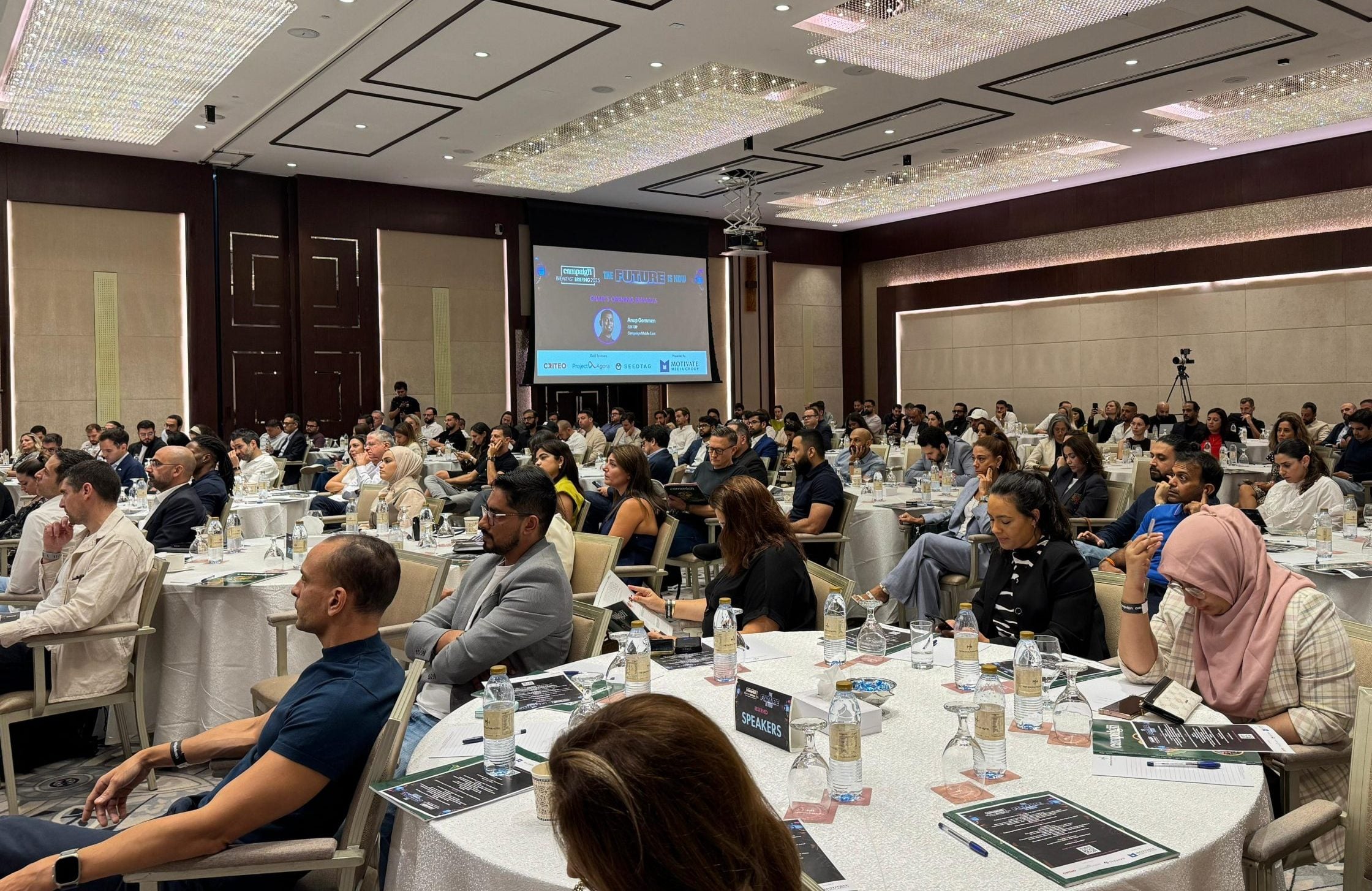
After the keynotes and panels at the Campaign Breakfast Briefing: The Future Is Now event, attendees stayed back for a time of networking.
For those of you who were unable to attend this stellar gathering of like-minded leaders shaping the top trends and addressing the top challenges in the industry, keep an eye out for the YouTube video of the entire event.
Mark you calendars. Campaign Middle East‘s next event, Campaign Saudi Briefing: Media and Marketing, which will be held on 16 October 2025 in Riyadh.