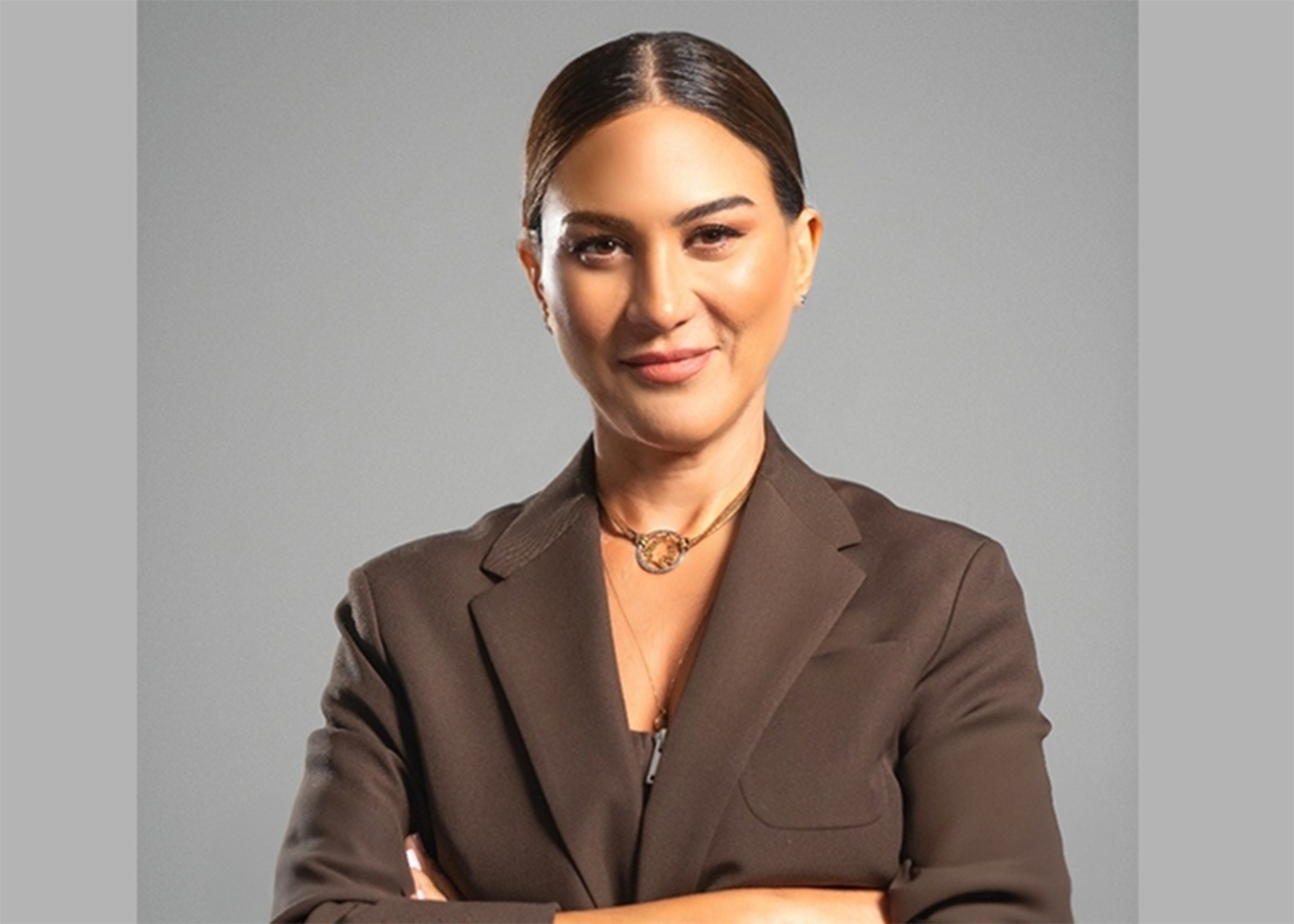
 Houda Tohme, CEO, HAVAS Media Middle East
Crisis has a way of revealing things. Most of all, it reveals a lot about leadership, teams and people: who they are, what they carry, and how much of it has gone unseen.
The people you would expect to be struggling; those who have lived through conflict, displacement and loss, who know what it means to lose everything and start again, not once but repeatedly, are fine. More than fine. They are the steadiest people in the room. Anchored.
Grateful for the safety that the UAE affords them. Stability, for them, is not an assumption. It is a gift they recognise every day.
The ones unravelling? The ones awake at two in the morning, catastrophising, paralysed by an unfamiliar dread? More often than not, these are people for whom stability and safety were never a question, until now.
People who grew up sheltered by stable governments and peaceful skylines, where the turbulence of this region never truly pierced through. War was something that happened elsewhere. A distant headline. Gone before the next commercial break.
And now, suddenly, it is impossible to look away. For the first time, the world feels genuinely fragile. And nothing in a life lived in peace ever prepares you for that feeling.
And yet, both of these people are sitting in the same room. Side by side, in the same meeting, on the same team, navigating the same news cycle and experiencing it in ways that could not be more different. That is not a contradiction. That is the reality of this region. And it is one that leadership can no longer afford to overlook.
Behind every brief, every deadline, every client call, there is a human being navigating something we may know nothing about.
Because the instinct in a crisis is to manage outward, protect the business, steady the client relationships, control the narrative. All necessary. All urgent. And in that rush to stabilise everything external, the internal gets flattened. Handed off to a policy, a programme, a wellbeing framework that was designed for a workforce that, frankly, does not exist. Built on the assumption of a shared emotional baseline, one size, many people, with little room for the vast and complex differences in what those people have actually lived.
In a region as layered as ours, where the life experiences sitting across the boardroom table span continents, conflicts and generations, that assumption isn’t just naive. It’s a leadership gap.
And right now, that leadership gap is showing.
Closing it demands something far more intentional than a policy refresh, a wellness initiative, or a helpline buried in an intranet that nobody visits. It demands the oldest, most underrated leadership skill in existence: attention. Real, unhurried, human attention. The kind that zooms out from the business urgency long enough to see the full human picture.
The ability to notice who has gone quiet. To distinguish between someone who is composed and someone who is simply holding it together with extraordinary, invisible effort. To walk into a room not with an agenda, but with genuine curiosity about the people in it.
The leaders who rise in moments of collective turbulence share one quality above all others: they make people feel seen without making them feel exposed. They don’t broadcast empathy. They practice it, quietly, consistently, without fanfare.
That quality doesn’t just matter right now. It compounds. It becomes the difference between a team that fractures under pressure and one that discovers, almost against the odds, that it is stronger precisely because of what it has had to absorb together.
This moment will pass. It always does. And when it does, what will linger is not the decisions made in boardrooms or the strategies that held the business together. It will be the moments where someone felt less alone. Where someone looked up from the noise long enough to ask a genuine question and wait for an honest answer. Because behind every brief, every deadline, every client call, there is a human being navigating something we may know nothing about. That is not a footnote to the business.
It is the whole story.
By Houda Tohme, CEO, HAVAS Media Middle East