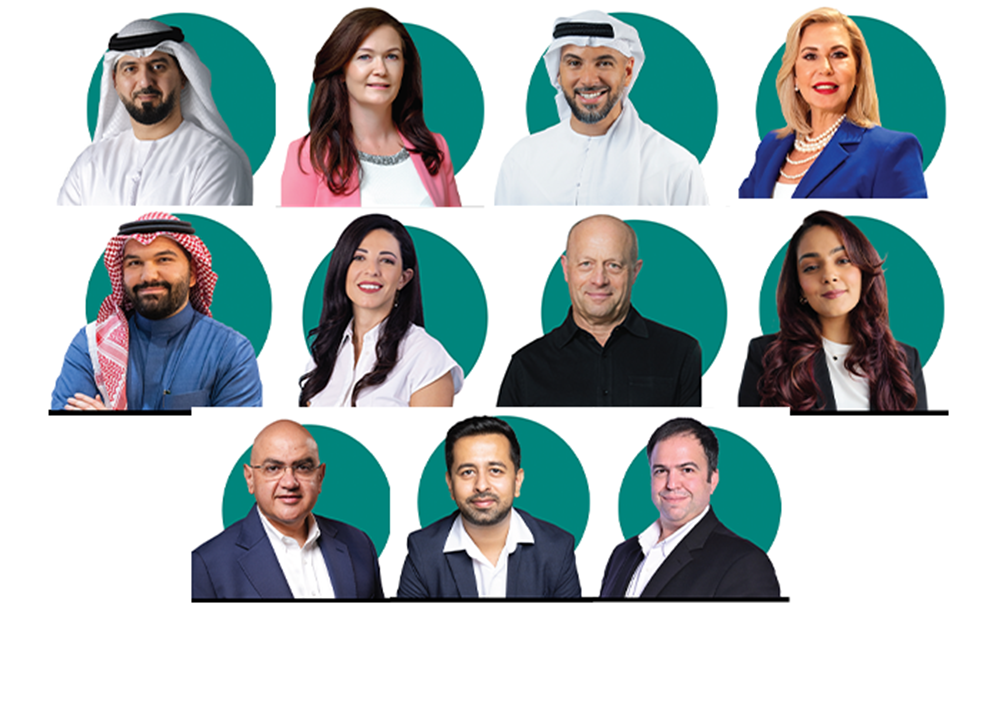
 Top row, from left, UAE Government Media Office's Khaled AlShehhi, Shamal Holding's Donna Glasper, Dubai Culture and Arts Authority's Saleh AlBreiki, and Merex Investment's Lizelle Fitoussi. Middle row, from left, Diriyah Company's Naif Awlia, Initiative MENAT and Magna MENA's Lara Arbid, Expo City Dubai's Sholto Douglas-Home, and HAVAS Red Middle East's Palak Mehta. Bottom row, from left, IMPACT BBDO's Ghassan Kassabji, Merkle MENA's Deepak Mankani, and WPP Media MENA's Yasser Kaskas.
For years, destination marketers in the Middle East built a relatively clear brief: break stereotypical tropes about the region; highlight the beauty of each place and people group; make each holiday destination instantly recognisable; and increase each getaway’s global share of voice by recommending unexplored experiences in a world of crowded tourist traps.
This meant narrating the stories of unmapped sanctuaries, correcting centuries-old assumptions, explaining unfamiliar propositions and ensuring that the end experiences matched the promises made.
Fast-forward to the present. Awareness and credibility have been achieved. The world is watching – and paying close attention. But is that enough?
The region’s destination marketing challenge is not a lack of stories, but what happens after the ad reaches its crescendo. Does the message leave its mark and guide people down a path to a beautiful experience and an unforgettable memory? Or does it merely join the chorus of destinations, districts and developments claiming history, heritage and hospitality – without anything to tell them apart?
Much like wallpaper in an old home, what was once vivacious now feels vanilla, and what was once distinctive now feels dreary.
The harder task now is not simply to be seen, but to be understood, chosen, trusted, revisited and recommended.
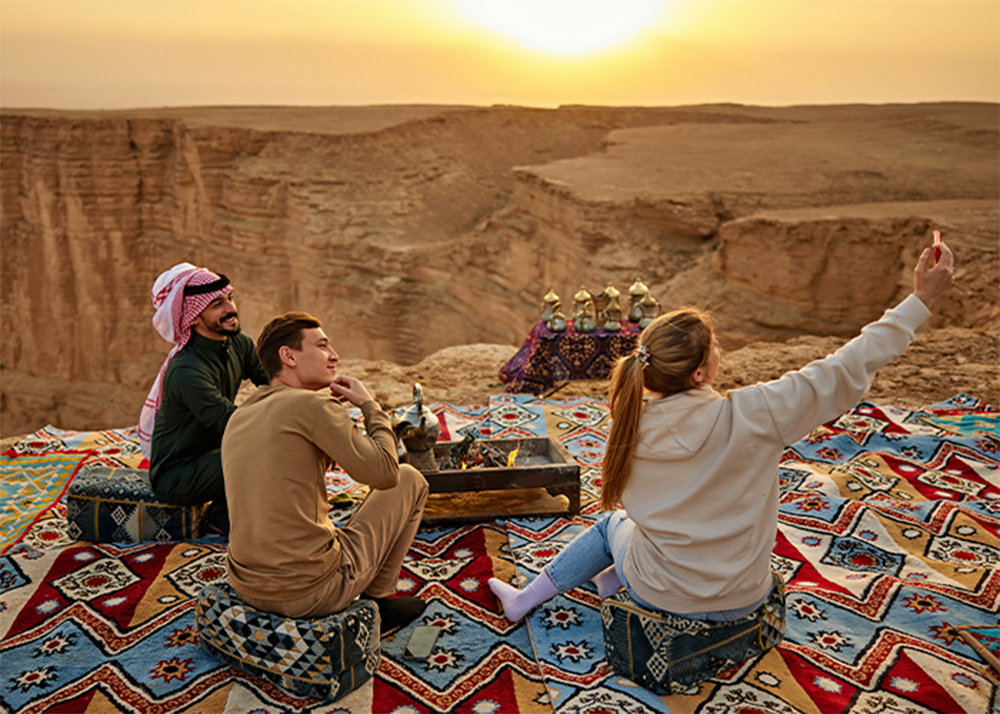
The region already has excellent events and experiences, exclusivity and ease, as well as creative communities, culinary delights and unique cultural offerings.
What it often lacks is orchestration: knowing which story belongs to which audience, which voice should carry it, which moments matter most at what point of the year, and which measure of success truly reflects outcomes achieved for brands, businesses and society.
Campaign Middle East speaks to marketers and agency leaders – all of whom agree that the next era will favour destinations that behave less like advertisers and more like hosts, editors, experience designers and long-term custodians.
The marketing campaign may light the spark, but the visit, each service moment, the memories made and the organic recommendations received will keep the fire burning.
Contributing to this conversation are:
- Khaled AlShehhi, Executive Director of the Marketing and Communication Sector at the UAE Government Media Office;
- Saleh AlBreiki, Director of the Corporate Communication and Marketing Department at the Dubai Culture and Arts Authority;
- Naif Awlia, Senior Director for Tourism and Engagement at Diriyah Company;
- Sholto Douglas-Home, Chief MarComms and Sales Officer at Expo City Dubai;
- Donna Glasper, EVP – Brand, Marketing and Customer Experience at Shamal Holding;
- Lizelle Fitoussi, Marketing Director at Merex Investment;
- Ghassan Kassabji, CEO, IMPACT BBDO Dubai and Chief Growth Officer MENA, IMPACT BBDO Group;
- Lara Arbid, Chief Executive Officer at Initiative MENAT and Magna MENA;
- Deepak Mankani, Head of Strategy at Merkle MENA;
- Yasser Kaskas, Strategy Director for KSA at WPP Media MENA; and
- Palak Mehta, Communications Director at HAVAS Red Middle East.
The proof is in the pudding
The region’s destination brands often begin with the same broad ingredients: heritage, hospitality, luxury, safety, convenience, culture and experiences. All of these elements are individually rich in flavour and make for delectable marketing recipes.
The problem lies in the fact that these are commonly available. When everyone starts sharing the same menu, differentiation lies in the perfected preparation, the plating and the personalisation to the palate.
That proof is rarely found in slogans. It is found in the specific, tangible details that make one place impossible to confuse with another. In a market full of polished claims, credibility blooms from on-the-ground evidence.
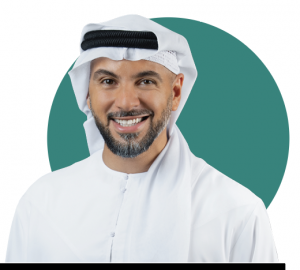
Saleh AlBreiki, Director of the Corporate Communication and Marketing Department at the Dubai Culture and Arts Authority, says, “When every destination in the region claims heritage, luxury and hospitality, audiences stop hearing the difference. What sets a place apart is the truth that sits underneath: a restored historic quarter where coral-stone walls still hold the shape of the original wind-tower houses; a museum built around the actual room where a federation was signed; working studios where visitors meet the artists mid practice; or public art emerging from tunnel walls already woven into daily routes. Positioning becomes credible when the evidence is already in place.”
Lara Arbid, Chief Executive Officer at Initiative MENAT and Magna MENA, adds, “When every destination claims the same credentials, competitive advantage is no longer found in what you possess, but in how you define it. Multiple destinations can claim premium hospitality, yet its meaning might be fundamentally different depending on where you stand. One expresses it as intimate, personalised access; another as seamless anticipatory service; a third as cultural warmth and generational storytelling.”
She adds, “There’s a real difference between saying, ‘we offer heritage’ and ‘we preserve heritage as a living practice’. One is an attribute, the other is an identity. The differentiation isn’t what you own, it’s what you stand for and how it is delivered in practice to the audiences experiencing it.”
If the old work of destination marketing was to broadcast a position, the new work is to design the experience that makes that position believable. A tagline can raise an eyebrow, but an identity constructed on organic recommendations and positive experiences gets bags packed and feet moving.
Deepak Mankani, Head of Strategy at Merkle MENA, says, “The shift we are seeing among more progressive destination clients is from broadcast positioning to experience-led identity, where data, personalisation and journey design do the strategic heavy lifting that a tagline never could. Real differentiation now lives in the customer experience layer: how a destination makes a visitor feel at every touchpoint, right from the first search query.”

Taking this notion a step further, Palak Mehta, Communications Director at HAVAS Red Middle East, adds, “The problem is not that destinations share the same pillars; the problem is that nobody is asking the harder question underneath them. Luxury, safety and world-class experiences tell you what a place has, but they do not tell you who it is for or what kind of life it makes possible. The destinations building something genuinely distinct have moved past category descriptors and started thinking about identity.”
Every destination needs to understand its own centre of gravity and its place in the larger ecosystem before it can communicate with confidence. That applies across UNESCO World Heritage Sites, must-see national hotspots, everyday city infrastructure and individual event venues. Each complements the other.
In the absence of that understanding, destinations risk sounding like neighbouring shopkeepers shouting the same invitation across the street.

Sholto Douglas-Home, Chief MarComms and Sales Officer at Expo City Dubai, says, “Destination marketing covers a broad spectrum, from entire nations and cities to individual venues and attractions. As many of these brands compete in the same markets, it’s inevitable that the landscape becomes diluted with similar messaging and imagery. Take the GCC for example. While many of the nations share similar pillars such as cultural heritage and family holiday appeal, each has unique attributes. From rugged coastlines to impressive skylines, the key to a differentiated strategic positioning lies in going beneath the surface, identifying a deep sense of what each nation represents, and then conveying that as its North Star.”
In mature tourism ecosystems, places can strengthen each other by giving visitors more reasons to extend a journey.
The competitive question becomes less about who has greater heritage or offers better hospitality, and becomes more about how visitors encounter each place – and whether that compounds their curiosity to explore and experience the region further.
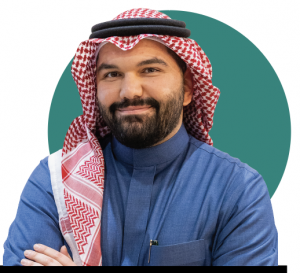
Naif Awlia, Senior Director for Tourism and Engagement at Diriyah Company, says, “Tourism growth across Saudi Arabia and the wider region is creating a richer and more diverse proposition for visitors. Rather than competing, destinations are becoming complementary, offering distinct experiences that encourage visitors to explore multiple locations. Differentiation is no longer achieved through heritage or luxury alone, but through authenticity and curating how people move through and experience spaces.”
Ghassan Kassabji, CEO, IMPACT BBDO Dubai and Chief Growth Officer MENA, IMPACT BBDO Group, adds, “The work is not to invent more difference but to connect the roles that already exist, because travellers build multi-stop journeys and a region that coordinates keeps them longer. The same holds inside a city, whether a waterfront, a cultural quarter or an island. Each should own one role and refuse the rest. Decide what you are, stay with it long enough to mean it, and deliver it every time. In the end, positioning is what people say after they leave.”
Culture works best when it is not staged for export
Cultural storytelling remains one of the region’s strongest advantages, but it is also one that must be treated with utmost care. The line between invitation and performance can be thin.
Global audiences – particularly experienced travellers – can sense when culture has been curated for them rather than shared with them. Visitors who are looking to invest, reside in and build a family in a new nation have developed a keen sense of when they are being entertained under the guise of culture as part of a commercial transaction, and when they are genuinely being invited to live within culture and be a part of it.
This is where local voices matter. Writers, artists, craftspeople, residents, chefs, guides and other creators and artisans are not decorative additions to a campaign. They are often the story’s most credible carriers.
AlBreiki says, “The strongest cultural narratives come from inside the culture itself. That means commissioning local writers and artists to shape the story, building programmes around living practitioners, and letting language, food and ritual speak for themselves. International audiences increasingly recognise the difference between a destination performing its culture for export and one inviting visitors into something genuine.”
Awlia makes a similar point from his time at Diriyah. For him, the most effective destination stories do not begin in a boardroom. They begin in the place and with the people who keep a memory alive.
He says, “Authenticity is the foundation of any successful destination story. Destinations must build cultural identities that are true to their roots and reflect what makes them unique.”
Awlia adds, “While there is much to learn from others, the most compelling stories emerge naturally from a destination’s own history, culture and people. Community participation is essential, ensuring culture remains a living part of the destination rather than something created solely for visitors.”
The challenge is not only to tell a true story that reveals the heart of a homeland, but to translate it intelligently for different audiences without flattening it.
Visitors from India, the GCC, Europe or East Asia may respond to different emotional cues. The underlying truth should stay intact, but the doorway into it may change.

Arbid says, “International audiences don’t want a generic invitation to experience a culture; they want to know what is singular about a place and authentic to its people. What works is owning a specific, consistent expression of your cultural pillars.”
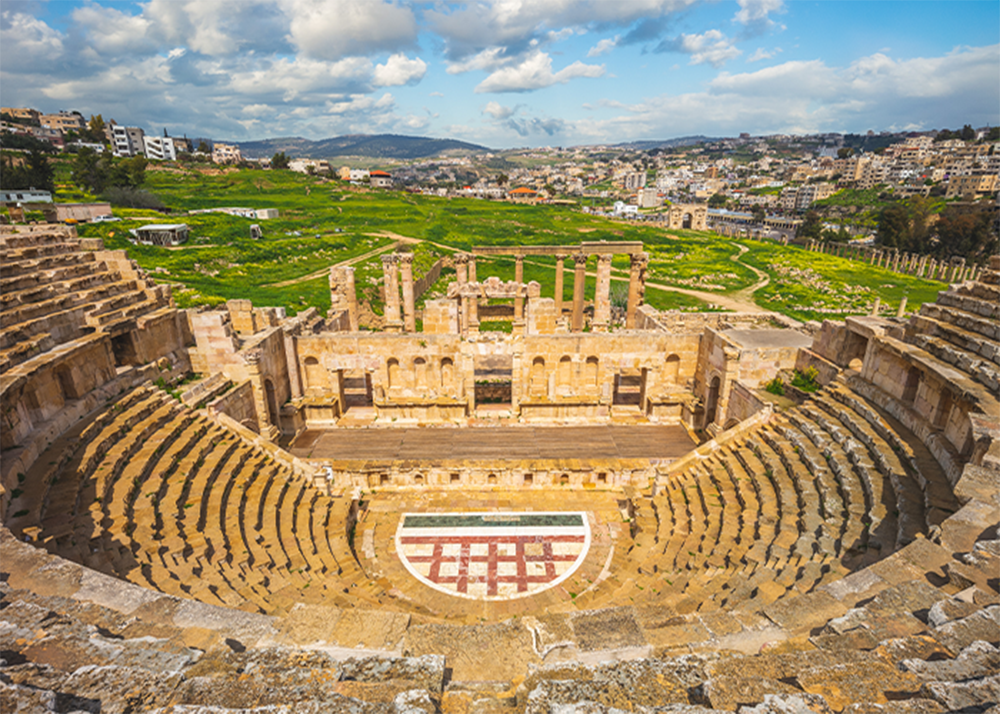
This is not just a notion that reads well on paper; leading destinations are already beginning to put it into practice. Jordan Tourism positions culture and modernity in deliberate conversation – neither ancient nor contemporary, but both simultaneously. Miral Destinations also builds audience-specific campaigns around what genuinely moves Indian visitors versus GCC or international audiences.
These aren’t manufactured narratives; they reflect the lived reality of a place and connect that truth to what moves each audience emotionally.
Arbid adds, “When that alignment lands, something shifts. Visitors become advocates. A heritage enthusiast, an adventure seeker and a luxury traveller all value the same pillars, but destinations that speak to each through the right lens win loyalty, not just footfall.”
However, this requires more than a campaign idea. It requires an operating model that lets community insight, audience understanding and content planning work together. In other words, authenticity is not a tone applied at the end; it is a discipline built into the process.
Mankani explains, “The strongest destination narratives we see are built from the inside out, rooted in genuine community voices and lived experiences before being translated for global audiences. Three pillars stand out: co-creation with local storytellers rather than importing a creative framework from outside; audience segmentation sophisticated enough to deliver culturally resonant versions of the same story to different markets; and a willingness to accept complexity rather than flatten it.”

Kassabji adds, “Communities are not an audience to win over. They contribute to the nation brand, more than any campaign can, because they are the ones living it every day. Think about what happened recently: when the region grew tense, many expats in the UAE did not wait to be asked; they stood up and defended the country on their own. That loyalty was earned, and it came from years of how the place had treated them.”
Saudi Arabia also offers a useful example of this duality: a country moving quickly while trying to protect what gives it depth. The most resonant stories are not only those of large developments, but also of people, practices and places that connect change to continuity.

Yasser Kaskas, Strategy Director for KSA at WPP Media MENA, says, “Saudi Arabia’s extraordinary societal transformation presents a unique narrative opportunity. While citizens embrace the exciting changes taking place across the Kingdom, they are equally passionate about preserving their rich heritage. The most resonant Saudi stories, therefore, extend beyond giga-projects. They are found in the stories narrated by a grandmother in Al Ahsa who practises traditional crafts, the young chef reviving forgotten recipes, and the coffee farmers of Jazan who have cultivated the land for generations.”
Kaskas adds, “Authentic destination branding must celebrate both realities, the boldly new and the authentically rooted. This duality is what creates a compelling, unique identity.”
The local voice is not an add-on
Sure, the official destination brand film still matters. So does the campaign, the launch, the media plan and the carefully built brand platform.
But none of these exists in isolation any more. A traveller sees the campaign, then a TikTok posted by a resident, then a hotel review, then a creator’s itinerary, and then listens to a friend’s voice note. Each of these touchpoints influences the final decision to arrive at a destination.
This means that marketers must let go of the assumption that they control the entire end-to-end narrative, and they must stop attributing conversion and footfall to the final click-to-purchase. Energy is better spent trying to create conditions in which the story people tell naturally supports the story the destination hopes to build.
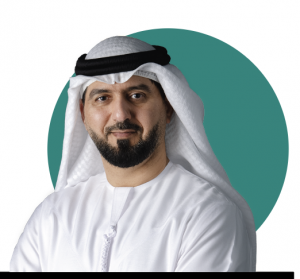
Khaled AlShehhi, Executive Director of the Marketing and Communication Sector, UAE Government Media Office, says, “The viewpoints of local communities are no longer one input among many. They are the foundation. The audience now consumes the official narrative and the resident’s experience and the visitor’s review and the creator’s content as one feed. A destination cannot control the conversation, but it can shape the conditions that produce it. The destinations that try to over-control the narrative lose credibility. The destinations that abandon the narrative lose coherence. The serious work is in the middle.”
For cultural destinations, the strongest advocacy often comes from people who are not speaking from a script. Residents, artists and returning visitors can carry the brand with far more texture than a campaign line, provided marketers trust the organic feedback to contribute to the destination’s growth.
AlBreiki says, “Local voices are what give a destination brand its credibility. A campaign can shape perception for a short while, but the way residents speak about where they live and the way visitors describe what they actually found is what stays with audiences for years.”
The resident’s role is especially important in the Middle East, where so many cities are shaped by people who arrived, stayed, built businesses, raised families and created a life. Their choice to remain is a powerful signal in itself.
Mehta says, “The most underused voice in destination communications is the person who chose to stay. Not the tourist passing through, but the resident who had options and picked here anyway, who built a life here, who recommends it without being prompted. That person represents something no communications budget can manufacture.”
Kassabji adds, “The controlled narrative is finished. You no longer own the story; visitors and creators tell it now, and they are believed more than you are. So, instead of scripting them, deliver the experience and let them talk. The story people tell is the return on a promise kept.”
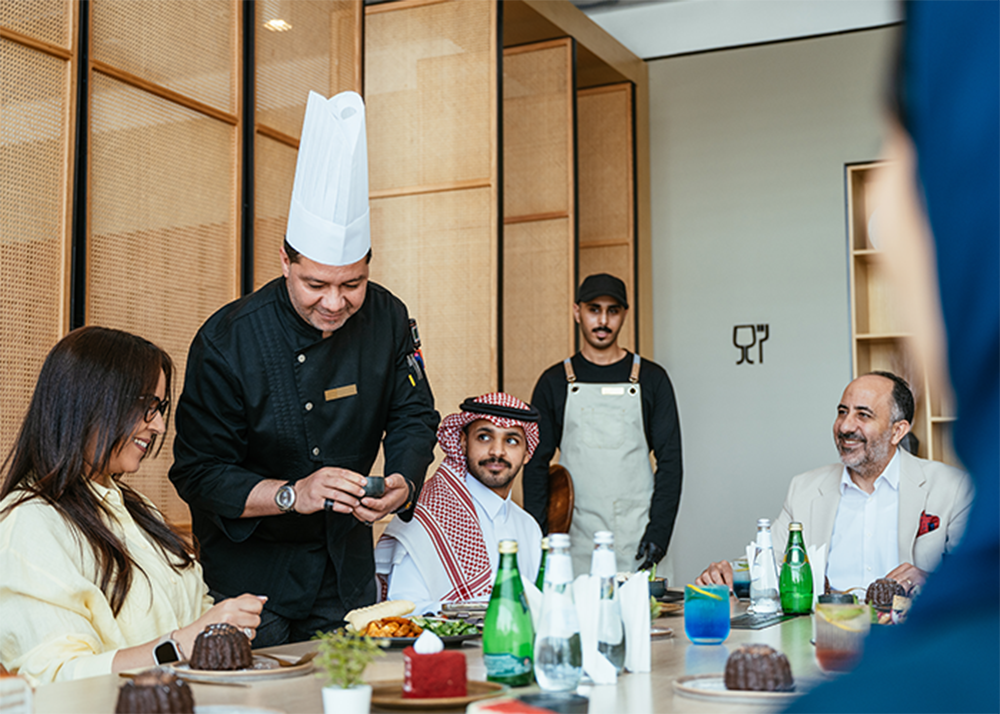
Where does the destination marketing promise fall short?
A destination brand is not judged only by its campaign; nor is it judged by the excellence of experiences and services at the destination alone.
It is often judged by every single touchpoint from the moment a flight lands at the destination airport: from the queue at immigration to getting a local eSIM, booking a taxi ride, being courteously welcomed at the hotel, having a seamless check-in experience, having the family’s needs attended to, experiencing a clean and hygienic walkthrough – from the lifts to the public toilets – and having a positive restaurant interaction. Every step matters. A brand promise can be made in a film, but it is kept or broken in operations.
In a mature destination ecosystem, that alignment cannot be left to chance. It needs concerted coordination between national bodies, city authorities, operators, developers, hotels, cultural institutions and frontline teams. Everyone is playing a part in the same orchestra, and it’s time to learn the score.
Douglas-Home says, “The biggest gap lies in operational consistency, and resolving this requires strong alignment between a destination’s national vision and those tasked with executing it. In Dubai, the Department of Economy and Tourism (DET) works closely with its stakeholders through various channels. DET’s twice yearly City Briefing acts as a critical forum to communicate the city’s vision and positioning with hotels, operators and retail leaders – as well as destinations like Expo City – ensuring everyone’s contribution supports the growth of Dubai’s brand.”
This is where many destination brands are also most vulnerable internally. Marketing can create desire, but if marketers work in silos and are not aligned with product, finance, sales, support and operational teams and systems, the brand promise falls short.
AlShehhi explains, “The biggest gap is often between the ambition of the communication and the operational consistency on the ground. The communication only works if the entire operating system behind it delivers. Bridging the gap requires destinations to treat brand work and operational excellence as one continuous discipline. The message and the experience must be designed together, not handed off between separate departments.”

Donna Glasper, EVP – Brand, Marketing and Customer Experience, Shamal Holding, points to the same issue during the transition from expectation to experience. The campaign may bring people in, but the practical moments determine whether the brand feels true.
Glasper says, “The gap isn’t in the content; it’s in the handover. Destinations invest heavily in building desire through social media and polished campaigns, then underinvest in what happens when someone actually arrives. The parking, the wayfinding, the person who greets you, those moments either confirm the brand or quietly contradict it.”
She adds, “At Shamal Holding, my remit deliberately spans marketing and customer experience because you cannot separate them. Building places such as Dubai Harbour, means every physical decision – from how accessible the marina is to how retail sits alongside residential – is a brand decision.”
The same logic applies to the connection between the digital and physical journey.
If the inspiration is beautiful but the digital booking is clumsy; if the visit is warm but the follow-up is absent; or if the campaign builds excitement by promising a path to discovery but the experience falls flat, the brand begins to leak value.

Mankani says, “The real gap sits between the aspirational creative and the actual customer journey. Destination brands invest heavily in top-of-funnel storytelling but far less in the connected experience architecture that should follow.”
He adds, “When a visitor moves from a beautifully produced campaign into a fragmented booking process, inconsistent on-ground service and post-visit silence, the brand promise collapses.”
And for every broken promise, there are serious brand consequences.
Awlia says, “Today’s travellers are highly informed, and expectations are higher than ever. If there is a disconnect between what people see online and what they experience on the ground, it quickly becomes apparent through reviews, social media and word of mouth. Bridging that gap requires alignment between the destination brand and the visitor experience.”
There is also a more basic discipline here: do not claim what the place cannot yet deliver. Overpromising may create short-term interest, but it can damage trust once visitors arrive.
AlBreiki says, “The gap tends to sit between what destination brands promise in tone and what visitors find in substance. Campaigns tend to lean heavily on words such as authentic, immersive and rooted, while the visitor often arrives to find a polished, retail-heavy version of the same idea.”
He adds, “Bridging this requires marketing teams to stop reaching for language the destination cannot fully deliver on, and instead build campaigns from what is genuinely available.”
Measuring what lasts, not only what spikes
Destination marketing has become very good at measuring what’s visible: footfall, occupancy, reach, engagement, video views and event attendance. While these numbers matter, they are often the easiest part of the story to measure and not the most important part of the customer journey that needs to be understood.
The bigger questions are these: Is the brand compounding? Are visitors staying longer? Are they returning? Are they spending beyond the obvious districts? Are they recommending the place without being asked? Are investors, talent, institutions and communities changing how they perceive and unintentionally promote a destination in their daily lives?
AlShehhi says, “The honest answer is that our discipline has been measuring activity rather than outcome. Footfall, occupancy and engagement count what happened during a window. The real measures of success that matter are different. We need to focus on repeat-visit rate, average length of stay growing year-on-year, and spend per visitor and dispersion beyond the capital. We must look at talent choosing to relocate to the destination. We must understand investor sentiment held under stress. We must track movement on global perception indices that institutional capital reads and acts on.”
Glasper adds, “The metrics most marketers reach for only tell you whether people showed up. They don’t tell you whether you changed how someone feels about a place, or whether they’ll advocate for it, invest in it, choose to live near it. The metrics I care about are advocacy and affinity: what percentage of visitors recommend without being asked, and how perception shifts over a 12- to 18-month period.”
AlBreiki takes an even longer view. The real test of cultural positioning, he says, may only be visible after the campaign has moved on and the market begins to treat the destination differently.
He says, “The most telling signs of a job well done only tend to become visible years after the work has been put in. It might be that foreign capital begins flowing into cultural and creative sectors rather than only into real estate. International institutions may start programming exhibitions and residencies in partnership with local ones, treating the destination as a peer rather than a venue for hire.”
Mehta adds, “The measurement frameworks most destinations use were built for campaigns, not brand-building, and the two operate on completely different timescales. A campaign can be measured in weeks. A brand takes years. The industry has been slow to push back on this, which means genuinely important work gets judged by the wrong tools.”
This means marketers must now pause and reflect. They need to make a stronger case to their chief financial officers and chief commercial officers that trust, reputation and consideration are slow assets.
These assets do not always move neatly within quarterly financial cycles, but they influence whether a destination becomes a one-time curiosity or a place people revisit, invest in, work from or advocate for.
Douglas-Home also points to the importance of deeper tracking and independent validation. A destination cannot rely only on what it says about itself; it must also look at how others are beginning to recognise it.
He says, “To get a true success measure of nation branding, short-term metrics must be supplemented by sophisticated tracking tools and on-the-ground feedback, including in-depth visitor satisfaction indexes and rigorous exit surveys – offering a stronger indicator of long-term trends. Earned, third-party recognition and endorsement are also significant indicators of success.”
This also means that commercial results and emotional connection should not be treated as separate worlds. Visitors who return, recommend, spend, invest or choose to live nearby are not just conversions; they are evidence that the destination has entered memory.
Awlia adds, “Destination marketing and nation branding are long-term investments in perception, reputation and trust, and their impact often takes years to fully materialise. Beyond visitor numbers and social media metrics, success should be measured by perception shifts over time. Are more people considering the destination, returning more frequently, recommending it to others, and even choosing to invest, do business or live and work there?”
There is also a strategic danger in celebrating volume without understanding motivation. A destination can grow quickly while weakening the reasons people choose it.
Arbid explains, “Footfall and occupancy tell you what happened last quarter; they don’t tell you what will happen next year, or what needs to change to sustain demand five years from now. Growth today can mask future erosion if you’re not measuring the right things. Real measurement tracks perception: how do people define this destination? Are they choosing it for the reasons you intended? Would they return? Are they advocating to others?”

Lizelle Fitoussi, Marketing Director, Merex Investment, wraps up this section of the conversation by saying, “The true measure of destination marketing lies in building long-term perception, preference and advocacy. Traditional metrics capture immediate performance but rarely reflect the full impact of brand-building, which takes years to influence behaviour. The destinations that succeed will measure not only how many people visit, but how people feel about destinations such as The Beach JBR, City Walk and J1 Beach: how often they return, how likely they are to recommend, and whether they attract future investment from new brands.”
Looking ahead: from being seen to being chosen
If the last decade was about visibility, the next phase will be about authorship, depth, delivery and return. The region has earned attention. Now it must decide what that attention must become.
Some leaders frame the next stage as control over meaning – not control in the outdated sense of silencing other voices, but control in the sense of consistently maintaining the discipline it takes to define a destination clearly enough that others do not malign it.
AlShehhi says, “The next phase is narrative sovereignty. The last decade was about being seen. The next decade is about owning how the destination is described, not only in traditional media, but in AI systems, in international policy conversations and in the rooms the destination is not in. The destinations that win the next five years will be the ones that understand that their narrative is now a strategic asset, treated with the same seriousness as their infrastructure investments.”
AlBreiki adds, “The next phase is less about getting noticed and more about giving people a reason to come back. The region has done the hard work of putting itself on the map. What comes next is making sure that a visitor who came once for an exhibition or a Formula 1 weekend finds enough waiting for them to plan a second trip, and a third.”
Here’s the lesson for destination developers: the next move is not an attempt to simply attract or acquire new customers; it is to focus so thoroughly on customer experience and retention, and on building a sense of belonging, that those who have not visited yet will feel like they are missing out without the destination having to prove its point.
Places need to become more than backdrops for visits. They need to create communities that organically communicate their core offerings through lived experiences shared with the world.
Fitoussi explains, “The next era of destination marketing in the Middle East is not only about getting people to visit; it’s about getting them to belong. Dubai has already won the awareness game. The challenge now is building emotional connection, loyalty and advocacy. The strongest destinations will act less like attractions and more like communities, measured not just by footfall, but by repeat visits and participation.”
Glasper connects this directly to long-term urban and national ambition. The destination cannot be designed only around movement and transaction; it must make room for life.
She says, “The shift we need is from destinations that attract to destinations where people choose to stay, return and root themselves. That happens when a place is designed around life, not logistics; when culture, community, movement and experience feel seamlessly connected rather than assembled.”
To make this a reality, Kassabji shares the need for destination marketing to implement two distinct approaches simultaneously: one for the immediate moment and one for the future. In the short term, brands should focus on the travellers who are still active and maintain relationships until demand improves. In the longer term, success will depend on whether the destination has real depth behind its marketing, especially as AI begins to influence travel choices.
Kassabji explains, “The near term is about reaching the people who are still listening. The long term is about being worth reaching. The near term is tactical. When global demand turns cautious, you stop broadcasting to everyone and focus on the audiences still moving: the domestic and resident market, and the source markets where demand holds. You keep those relationships warm and stay ready for the rebound, because it always comes.”
He adds, “The longer term is structural and driven by AI. People no longer browse; they ask a machine where to go, and it surfaces what is real and buries what is thin. Spectacle still works, but only when there is real substance beneath it. You can optimise to get recommended. You cannot optimise the experience once they arrive.”
Similarly, in Saudi Arabia, the next chapter is increasingly about making ambitious plans tangible. The promise has been introduced. The next question is whether visitors can feel it consistently on the ground.
Awlia says, “In the Kingdom, the focus is increasingly on delivery, visitor experience and bringing ambitious plans to life. For Diriyah, this includes the opening of our planned assets over the coming years, from hotels to museums, cultural venues, retail, offices and residential offerings. The opportunity is also to embrace emerging trends such as slow travel, encouraging visitors to stay longer, explore on foot and engage more deeply with culture and heritage.”
Kaskas agrees that Saudi Arabia’s future destination story will be judged by experience, not ambition. Major events will not simply be global showcases; they will be tests of whether the country can convert attention into memory and return.
Kaskas says, “For years, the message was that the kingdom is open, ambitious and ready to be discovered. That message has landed. The next chapter is about delivering on that promise, consistently and at scale. The upcoming 2027 AFC Asian Cup is the first major test, an opportunity to create lasting impressions on visitors that will serve as a proving ground for Expo 2030 and the FIFA World Cup 2034.”
Mehta sums up the conversation well, bringing the focus back to emotional substance. She explains how a place can win awareness with spectacle, but it builds reputation through what lies beneath.
She concludes, “The region has earned its visibility; now it needs to earn something harder. When marketing consistently leads with the surface, it attracts people who come for the surface, and some leave having never found anything underneath. The cities and destinations here have far more depth and genuine community than their marketing tends to suggest. The places that figure out how to communicate their soul, not just their skyline, will build the kind of reputation that actually lasts.”
The parting messages from the marketers are clear: the next chapter of destination marketing in the Middle East will not be won by the loudest campaign, the most polished film or the biggest launch moment. The region has already earned visibility; what matters now is whether that visibility becomes trust, whether trust becomes return visits, and whether return visits become advocacy, investment and belonging.
A destination brand is no longer built only in the marketing department; it is built at immigration counters, hotel desks, cultural districts, restaurants, public spaces, booking platforms and in the stories people tell when they return home.
The strongest destinations will be those that know themselves clearly and deliver that identity consistently. Heritage, hospitality, luxury and safety must be translated into lived experiences that feel specific, credible and emotionally true. Local communities, residents, creators and visitors are not supporting characters in this story; they are the focal points that give the destination its voice. If the official narrative and the lived experience do not meet, the brand promise breaks.
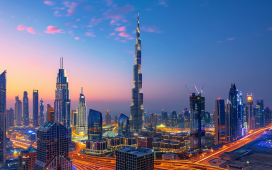
The opportunity ahead is enormous, but it demands patience and discipline. The region must now move from surface to substance, from attention to affection and from first visits to long-term relationships. The campaign may open the door, but the soul of the place is what makes people return and speak about it with conviction. The skyline may attract the eye, but it is the human experience that builds the reputation that lasts.