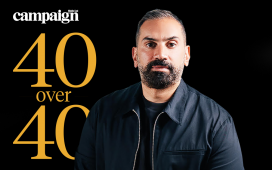
 Maram El Hendy, Director at Kekst CNC (Publicis Groupe) in Dubai.
Over the past month or so, I have had the pleasure of training ten leaders from some of the region’s leading energy and tech companies, and the demand is not slowing down despite the hot summer months.
Requests for executive training are coming in consistently almost every week, spanning from presentation skills and media performance to overall executive impact.
The urgency is clear: in a world where anyone can be filmed on a phone or through smart glasses, communicating with confidence is no longer optional. It is a skill every senior leader must master – yet remarkably few do.
These training sessions revealed three critical insights that should concern every C-suite executive.
Internal audiences matter more than ever
While media training has long been part of executive development, the real conversation happening in boardrooms today centers on internal perception. Executives are increasingly concerned about how their presentation skills are perceived by their own teams, and not just external stakeholders.
They are investing heavily in presentation training and body language coaching, recognising that credibility starts at home. A CEO who fumbles through a town hall or avoids eye contact with their audience sends a message that travels far beyond that single meeting. In the age of internal recording and instant messaging, every presentation – whether to 50 people or 500 – is a definitive moment.
Leaders understand that the inconsistency between their carefully crafted external messaging and their internal communication creates a dangerous credibility gap that can undermine organisational trust.
The language of business is evolving
Another dimension to this challenge is often overlooked: Arabic fluency among senior executives.
In a region where Arabic is the business language, many executives remain uncomfortable conducting presentations, negotiations, or strategic communications in anything other than English. This does not imply a lack of capability, but rather a gap in preparation and practice.
Executives care deeply about communicating in Arabic and understand its importance, but don’t know where to start. The terminology alone, industry-specific jargon in Arabic, requires dedicated focus and cannot be an afterthought.
This linguistic confidence gap puts leaders at a disadvantage and limits their ability to connect authentically with key stakeholders.
Practice remains non-negotiable
Perhaps the most revealing insight is this: executives are almost afraid to practice out loud. Senior leaders who have spent decades honing their craft tend to avoid the one thing that would genuinely improve their skills – deliberate, repetitive practice.
The fear of sounding imperfect, stumbling over words, or exposing one’s vulnerability keeps them trapped.
What separates good leaders from great ones is the discipline to practice the delivery of that expertise – internally, in both Arabic and English, and out loud, imperfections and all. The organisations that recognise this now will have leaders who inspire trust in every room they enter.
The ones that wait will find out the hard way that a credibility gap, once exposed, is far harder to repair than it ever was to prevent.
By Maram El Hendy, Director at Kekst CNC (Publicis Groupe) in Dubai.