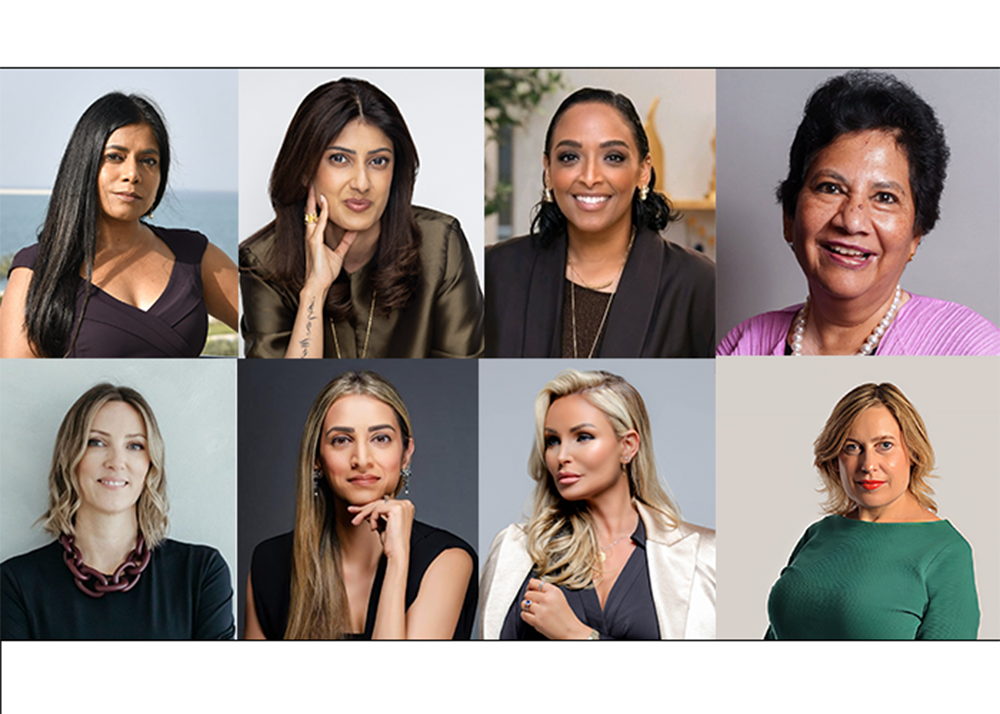
 Top row, from left, Alka Winter, Suad Merchant, Dana Tahir and Melanie de Souza. Bottom row, from left, Lisa Welsh, Jaimesha Patel, Louise Jacobson and Ananda Shakespeare.
Through the first few days of March 2026, work conversations within the brand and marketing landscape in the Middle East have moved away from breakout areas, coffee machines, office desks and smoke breaks in the car parks to Teams and Zoom conversations, quick check-ins over the phone, and people typing away on their keyboards.
What’s fascinating is not the ‘business-as-usual’ sentiment under the ‘work-from-home’ umbrella or the ‘stay sheltered’ mandates; what’s fascinating is what a majority of these online conversations revolve around.
There’s an overwhelming sense of gratitude that has seeped into the Middle East landscape, particularly in the UAE and Saudi Arabia, where most people, their loved ones, their offices and their homes remain safe despite the sporadic missile and drone attacks.
This gratitude has largely been directed at prayers answered; directed at growing trust in the nations’ leadership, who have kept their promise to ensure the safety of all; and to the unseen, yet ever-ready, armed forces and military personnel who have afforded citizens, residents, visitors and travellers an incredible sense of safety.
Yet the juxtaposition of ‘business-as-usual’ amid the ongoing crisis, means that “safe” doesn’t always equate to “OK”. Although only a handful of people have been hurt or injured by the attacks, and fewer still have been killed by the falling debris of intercepted missiles and drones, the loud window-rattling booms in the distance and the sight of occasional missiles flying overhead can, indeed, be disconcerting.
With future circumstances still uncertain and intermittent emergency warnings blaring on phones, there are many who remain resilient and shake off the anxiety or fear associated with the impending nature of the unknown, while there are a few who need a slightly more tangible touch or calm reassurance to regain a semblance of normalcy.
This is where the various levels of leadership within organisations are stepping up to the call for composed, collected and care-led communication. When circumstances feel unsettled, the true measure of those at the helm is reflected in how they look after their workforce – and, by extension, their brands and businesses.
Several brand marketers and agency leaders are setting an example with quiet and encouraging leadership in times of crisis. They insist on a people-centred approach that offers employees space and time, removes friction, empathises with different forms of coping mechanisms, and keeps communication open and honest in order to achieve what’s best for people and the business.
They also share that demeanour matters: an even-tempered, plain‑speaking tone from the top sets a precedent for the rest of the organisation. Practical adjustments follow: changing routines, creating room for conversation, and balancing operational demands with personal realities.
Most importantly, this is not a one‑off response. Several leaders urge a move from ad‑hoc gestures to durable habits: redesigning work systems, building literacy around mental health and treating supportive culture as an everyday practice. As such, performance becomes the outcome of trust and empathy, not a rival to it.
Presence and genuine attention at work
Leaders begin by emphasising attentiveness and availability. In diverse workplaces far from home, colleagues often form close bonds. Marketers call for managers and leaders to nurture those ties and recognise that individuals react differently to pressure.
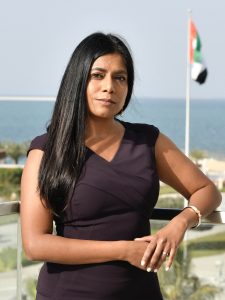
Alka Winter, Vice President – Destination Marketing and Communications, Ras Al Khaimah Tourism Development Authority (RAKTDA), says, “It is no doubt a challenging time in the region. But how we show up for our teams and colleagues matters more than ever. Many of us came to the UAE leaving family and friends behind to start something new. In that sense, our colleagues often become more than co-workers. They become extended family, and as leaders we carry a responsibility that goes beyond the purely professional.
Winter adds, “People respond to stress and uncertainty in very different ways. Some become sharply focused and energised, while others feel overwhelmed by the constant flow of news and updates. As leaders, it is important to recognise that there is no right or wrong way to respond. What matters is presence. Listening more closely. Being available. Sometimes even adjusting the rhythm of our weekly meetings so they are less about tasks and more about creating space for people to talk. I’m a firm believer in creating psychological safety, regardless of the environment around. In moments like this, stay connected and show genuine care.”
That conversation on human connection carries through to how companies organise the working day. Flexibility is framed as practical kindness rather than concession, with managers prioritising availability and space to speak.
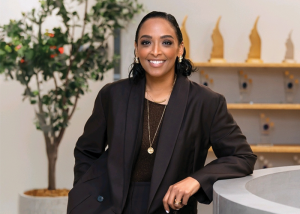
Dana Tahir, CEO, HAVAS Red Middle East, says, “Our focus as leaders shifts very clearly to our people. Across the business we have colleagues in Lebanon and Qatar, as well as many others with family in affected areas, so the situation feels very close to home for many of our teams. Our priority is to ensure everyone feels supported, whether that means flexibility with work or simply creating space for people to speak openly.
Tahir adds, “At HAVAS, empathy is not something we turn to only in difficult moments; it has always been part of our culture. What I admire most is seeing how our people show up for one another. In moments like these, you truly feel the strength and closeness of this work family.”
It’s this tone from the top that shapes behaviour.
Composure and confidence that travels from leadership to teams to customers
The way the senior leadership team carries itself influences how the rest of the organisation operates. If there’s calm reassurance and a belief in a better tomorrow at the top, it seeps through the entire organisation. Consistency, positive talk and visible care become the template others follow.

Suad Merchant, Chief Marketing Officer, GEMS Education, says, “In moments such as these, leadership is often measured not by action alone, but by composure. When uncertainty surrounds us, people instinctively look to their leaders for cues on how to respond. In this region, we have seen leaders demonstrate calm, clarity, and steadiness, and that tone naturally shapes how communities and organisations behave. Culture follows example.”
Merchant adds. “When leaders show up, connect with their people, and place safety and wellbeing ahead of operational pressure, it creates psychological reassurance across the workplace. True leadership in times like this is not about enforcing protocols alone, but about fostering trust, stability and collective resilience.”
Leaders also point to concrete steps that signal intent. Moving work off‑site at speed, adding daily touchpoints, and highlighting professional support services are presented as practical ways to anchor teams. And yet, this responsibility also travels forward into the counsel given to clients for external communications.

Louise Jacobson, Managing Partner, Brazen MENA, and Board Member of the Global Women in PR MENA, says, “We moved quickly to remote working, are holding daily check-ins, and we’ve reminded teams that our professional mental health support services are there if anyone needs them. People process situations like this in different ways, so making sure the team feels supported and connected is important.”
Jacobson adds, “At the same time, our responsibility as an agency is to guide clients through a fast-moving environment. We’re staying close to them, keeping them informed and offering clear, pragmatic advice as circumstances change – so their communications remain considered and appropriate.”
Clients agree with this notion, calling for care that extends beyond policies and processes to specific teams and individuals. Within destination marketing, specifically, the confidence and care imparted by leadership teams to employees tends to ripple outward to guests and visitors in the destinations, as well.
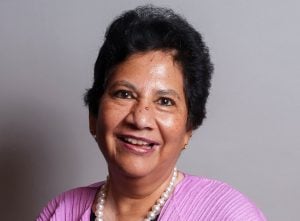
Melanie de Souza, Executive Director, Destination Marketing, Royal Commission for AlUla, says, “For me, and for all of us at AlUla, team wellbeing during these challenging times is absolutely imperative and we are all better for it. We are focused on ensuring we support each of our team members, providing the flexibility and resources they need to navigate their personal and professional lives.”
Melanie de Souza adds, “Concurrently, our priority is equally fixed on the safety and exceptional experience of every guest already here in AlUla. We are here for them, ensuring their stay feels secure. It’s by caring for our team and our guests with this same dedication that I believe we truly maintain the unique essence of AlUla as a place of wonder, delivered always by a resilient, supported and, ultimately, happy workforce.”
From reactive aid to built‑in practice at work –
Clear communication and mental wellbeing
Beyond the immediate response to the ongoing crisis, several voices also call for structural change. The aim is to make supportive habits part of the operating model: educating managers, normalising recovery time and treating culture as a lived routine rather than an excellent quote within a timely article or a stopgap HR measure.

Lisa Welsh, Co‑Founder & Managing Partner, North Seventy Five, says, “Leaders are increasingly focusing on wellbeing not being a response to a crisis but a long‑term strategy. Instead of reacting to stress, we are seeing the redesigning of work systems to reduce it with a clear shift from ‘support when needed’ to ‘support built in’. This means embedding mental‑health literacy into leadership training, normalising recovery time, and treating culture as a daily practice rather than an HR initiative.
Welsh adds, “The focus is moving from managing workloads to managing energy, with leaders being role models for boundaries, encouraging mental rest, and creating environments where people can speak up when early signs appear, not only when they are overwhelmed or burnt out.”
Others link this to how agencies are organised. Integrated ways of working, open dialogue and realistic expectations are presented as the groundwork for trust – and, by extension, delivery.

Jaimesha Patel, CEO, Créo Global, says, “Conversations around wellbeing aren’t about policies or programmes, they’re about leadership responsibility. Agencies operate in fast-moving environments that demand a lot from people, creatively and emotionally. The pace of our industry is only sustainable when teams feel genuinely supported and respected. That also means building cultures that are integrated rather than siloed, where communication is open and expectations are realistic.”
Patel adds, “When people collaborate across disciplines and feel comfortable bringing their whole selves to work, trust grows naturally. From there, performance follows. Not because it’s enforced, but because teams genuinely care about the work, the people around them, and the culture they’re building together.”
Finally, executives also underline that output and welfare are intertwined. In uncertain and unsettled points in time, leaders call for transparency, more intentional check‑ins and environments where concerns can be raised early, not only at breaking point.

Ananda Shakespeare, CEO, Shakespeare Communications, says, “I think regional leaders are recognising that ‘business-as-usual’ only works if people feel supported. In periods of heightened uncertainty, whether geopolitical tension or economic pressure, leaders must create stability for teams. That means clearer communication, checking in with people more intentionally, and recognising that productivity and wellbeing are closely linked. We are seeing more organisations openly prioritising mental health, encouraging flexibility where possible, and creating cultures where employees feel safe raising concerns.”
Shakespeare adds, “Ultimately, strong workplace culture is built in moments like these – when leaders show empathy, remain calm and ensure that their teams feel informed, supported and valued.”
All in all, these perspectives sketch a simple, demanding brief: Make room for conversation, tune the rhythm of work to human realities, and turn considerate gestures into everyday habits.
In that environment, output doesn’t stall; it strengthens, because people feel seen and are equipped to bring their best to work every day – even if they’re working from their dining tables or a makeshift office set-up at home.
Think of it like guiding a convoy through patchy weather. You don’t speed up; you switch on the lights, keep the channel clear and drive with intent.
Leaders have stated that work is ‘actually working’ in the Middle East because of well-intentioned, practical stewardship – quietly confident, calm, composed, clear and anchored in care – so that key stakeholders, clients and communities can move forward on an even keel.