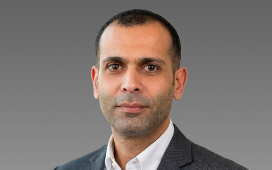
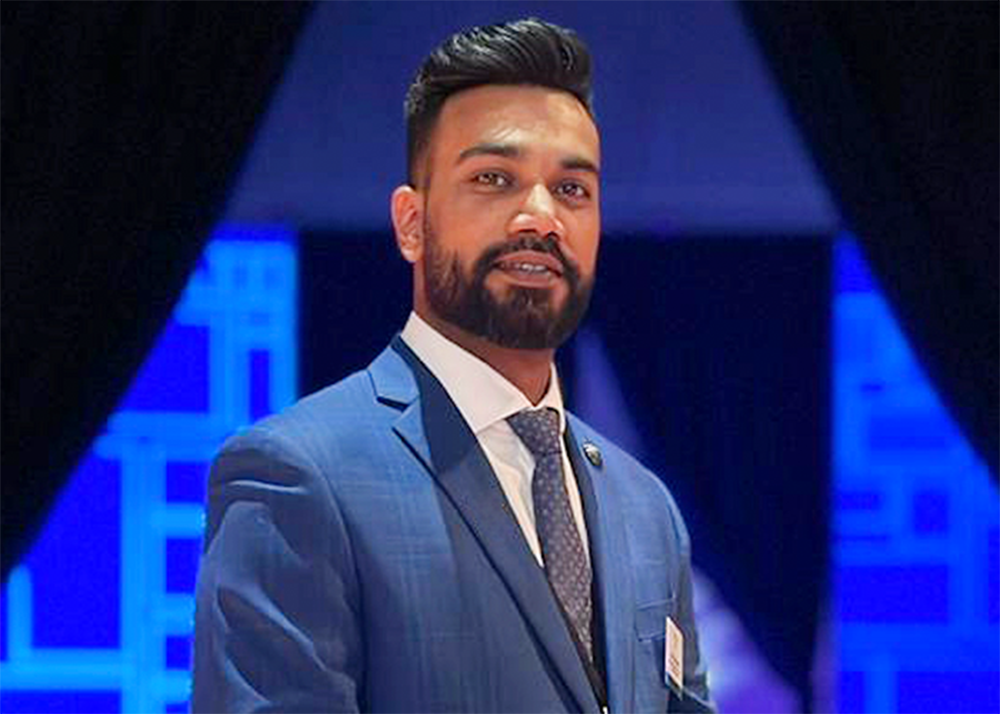
 Waqas Mohammed Amin, Director of Creative Services
Artificial intelligence (AI) is no longer a future conversation for the creative industry. It has already arrived in the brief, the mood board, the first draft of copy, the storyboard, the deck, and, quite often, in the client’s first question: “Can we do this faster?”
In Saudi Arabia, this conversation feels more urgent. The Kingdom has announced 2026 as the Year of Artificial Intelligence. For those of us working in branding, marketing and creative production, this signals that AI is moving from experimentation into everyday practice, influencing how teams work, how stories are produced and how audiences experience content.
The Kingdom is moving at a pace that demands speed, scale and imagination. Creative teams are expected tomove faster than before, but still deliver work that feels thoughtful, culturally relevant and emotionally strong.
That is where AI becomes both powerful and demanding. Powerful because it can remove friction. Demanding because it forces us to protect the difference between faster output and better creative thinking.
AI Is a tool, not the creative director
Artificial intelligence is not the enemy of creativity. Used properly, it can be a powerful partner. Today, creative teams are using tools such as ChatGPT, Midjourney, Adobe Firefly, Runway, Luma, Gemini, HeyGen and Figma AI to explore ideas, generate visuals, test copy, create mood boards, animate concepts and speed up repetitive tasks.
AI can help a team move from a blank page to a first direction faster. It can summarise research, generate references, create content variations, help with localisation and support pre-visualisation before production begins.
But the mistake is when we confuse output with thinking. A beautiful AI-generated image is not a strategy. A fast headline is not always a good headline. A full deck created in minutes does not mean the idea is strong. AI can create options, but it cannot always create meaning.
What should stay human?
The most important parts of creative leadership still need people. Judgement should stay human. Taste should stay human. Cultural understanding should stay human. Ethics should stay human. The final story should stay human.
This matters deeply in Saudi Arabia because creativity here is not only about aesthetics. It is deeply connected to identity, heritage, ambition, hospitality and youth culture. A campaign cannot simply look modern; it must feel right.
Artificial intelligence may understand prompts, but it does not truly understand pride. It may understand language, but not always tone. It may recognise symbols, but not always their emotional weight. That is where the creative leader must step in.
The risk of creative laziness
One of the biggest risks of artificial intelligence is not replacement. It is laziness: generate more, think less, produce faster and question less. But great creative work has never been only about volume.
It is about clarity, restraint and knowing what deserves attention. AI can make average work look polished, which means creative leaders must look beyond the surface.
The Saudi creative opportunity
Saudi Arabia has a real opportunity to shape how AI is used in the creative industry not as a shortcut, but as an accelerator. With the rise of initiatives such as HUMAIN, and the growing interest in Arabic-first technology, the Kingdom is not just adopting global tools; it is building its own AI conversation.
For creatives, this matters. We need tools that understand Arabic nuance, local context and regional storytelling. More importantly, we need leaders who know how to guide these tools with intelligence, sensitivity and responsibility.
The future is not about asking, “Which AI tool should we use?” The better question is, “What role should AI play in the creative process?”
Human-led, AI-supported
The strongest model is simple: human-led, AI-supported. Let artificial intelligence support research, drafts, visual exploration, content scaling and workflow efficiency. But keep humans responsible for the brief, the idea, the cultural reading, the emotional tone, the ethical decision and the final sign-off.
A strategist can use AI but must still own the strategy. A designer can use AI but must still own the craft. A writer can use AI but must still own the voice. A creative director can use AI but must still own the judgement.
AI does not carry accountability. People do.
The human side of creative leadership
In the age of AI, creative leadership becomes more important, not less. The next generation of creative leaders will need to understand tools, workflows and governance. But they will also need taste, intuition, courage and cultural intelligence.
Machines can generate abundance, but only people can protect relevance. The organisations that win in the region will not be only the ones using AI the most; they will be the ones using it with the most judgement.
Sure, let AI make our work faster, but let people make the work matter.
By Waqas Mohammed Amin, Director of Creative Services