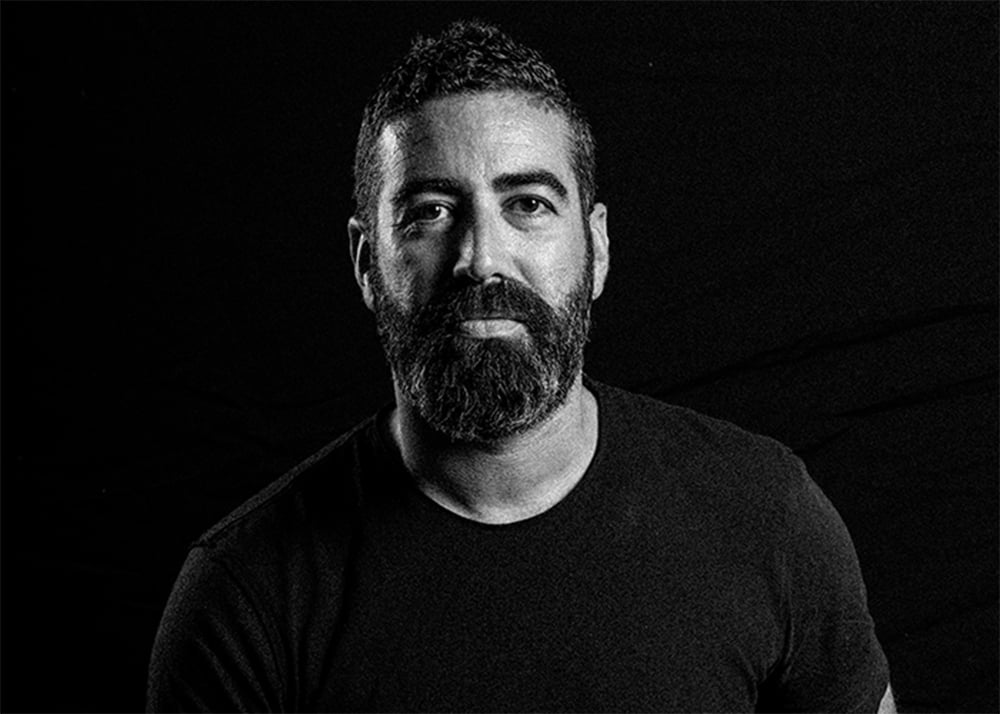
 David Balfour, Co-founder, LIGHTBLUE
Every Ramadan, Dubai’s luxury sector goes into overdrive. Limited editions drop. Exclusive iftar experiences launch. Heritage brands partner with local artisans. Pop-ups appear in every high-end mall. The machinery of premium experiences shifts into seasonal mode, treating the Holy Month of Ramadan like any other calendar opportunity.
But here’s what most miss: Ramadan isn’t a luxury moment. It’s an intimacy moment.
The brands that truly resonate during Ramadan aren’t the most exclusive or the most visible. They’re the ones that understand something deeper about this month and that it operates on an entirely different frequency. One that can’t be captured through OOH takeovers or optimised through CRM personalisation. One that requires genuine cultural fluency, not just beautiful packaging wrapped in charitable gestures.
The paradox of premium
Ramadan operates on a paradox: restraint is power, simplicity speaks louder than spectacle, and true intimacy emerges from understanding, not access.
Consider how the city shifts. Evening energy changes. The collective pause before iftar. Even the way people experience luxury transforms… ostentatious consumption feels tonally wrong, while meaningful gestures and heritage suddenly resonate deeper.
I’ve sat in beautifully produced iftars that felt completely empty, and in very simple ones that felt profound. The difference was never the budget. It was whether the experience respected the emotional temperature of the moment. The lighting slightly softer. The service slower, more deliberate. The room giving people space to arrive at the moment of breaking fast together, rather than performing it. That’s the kind of design choice you don’t see in a deck, but you feel immediately in your body.
Yet most luxury strategies remain unchanged. The same exclusivity plays. The same VIP frameworks. What worked in February won’t land in Ramadan not because the audience has disappeared, but because they’ve shifted into a mode where commercial theater feels hollow.
The brands that win understand restraint. They recognise that a quiet gesture of genuine service carries more weight than a spectacular activation that misses the moment entirely.
Where culture demands more than curation
Dubai’s Ramadan is unlike anywhere else. The density of cultures creates complexity most luxury playbooks aren’t built for. Emirati families maintaining tradition. Wealthy expats seeking heritage connection. Muslim communities from every corner of the globe.
This is where experiential luxury either reveals its depth or exposes its superficiality. You can curate the perfect iftar with the right lighting, the right chef, the right guest list but if it lacks cultural authenticity, people feel it immediately.
The most effective experiences don’t treat “the Muslim consumer” as a monolith. They understand that intimacy requires specificity. A third-generation Emirati family has different expectations than a Lebanese family or a British Muslim family. The rituals may overlap, but what those moments mean varies dramatically.
This is real intimacy work. Not the performative kind dressed in exclusivity. The kind that allows someone to feel genuinely understood, not just well-served.
The invitation, not the intrusion during Ramadan
Ramadan reveals that people crave connection over curation. The month pulls people inward – toward family, faith, reflection.
For luxury brands, this creates a rare opportunity: the chance to be invited in, rather than buying your way in through premium price points or exclusive access.
But that invitation can’t be manufactured. It’s earned through gestures that demonstrate you understand what this month means. Some brands get this and their presence feels natural, not forced. Others simply reskin their standard playbook with crescents and calligraphy. Beautiful production. Zero resonance.
Designing for emotional truth
Creating moments that honor both premium expectation and spiritual context requires a different approach:
Start with genuine understanding. Spend time in communities. Experience the month alongside people who live it deeply. Learn what they’d never compromise on, what would genuinely serve them and not what you assume luxury should look like.
Design for emotional alignment, not just sensory excellence. Details matter… materials, lighting, service rhythm but they need to serve emotional truth, not aesthetic perfection. In Ramadan, the best experiences often feel like they were designed to disappear into the moment, not dominate it.
Build for legacy, not the season. Brands that invest in cultural depth aren’t just winning a month they’re building permission that lasts years. They become trusted parts of people’s meaningful traditions.
What stays after Ramadan
Ramadan strips away the theater luxury often relies on. It reveals which brands truly understand the people they serve and which are simply performing premium.
In a month defined by reflection and spiritual focus, the brands that resonate aren’t the loudest or most exclusive. They’re the ones that show up with genuine understanding earning intimacy through cultural fluency, not purchasing it through marketing budgets.
The future of luxury during Ramadan belongs to brands willing to design for emotional truth over spectacular moments. To recognise that sometimes the most luxurious thing you can offer is understanding when to step back, when to speak, and when genuine service matters more than any curated experience.
Ramadan doesn’t need more luxury noise. It needs brands willing to earn intimacy the only way possible: through respect, restraint, and cultural understanding that transforms transactions into relationships that endure.
That’s the kind of resonance exclusivity alone can’t buy.
By David Balfour, Co-founder, LIGHTBLUE