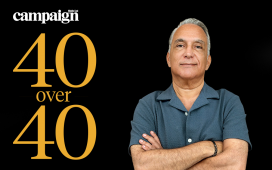
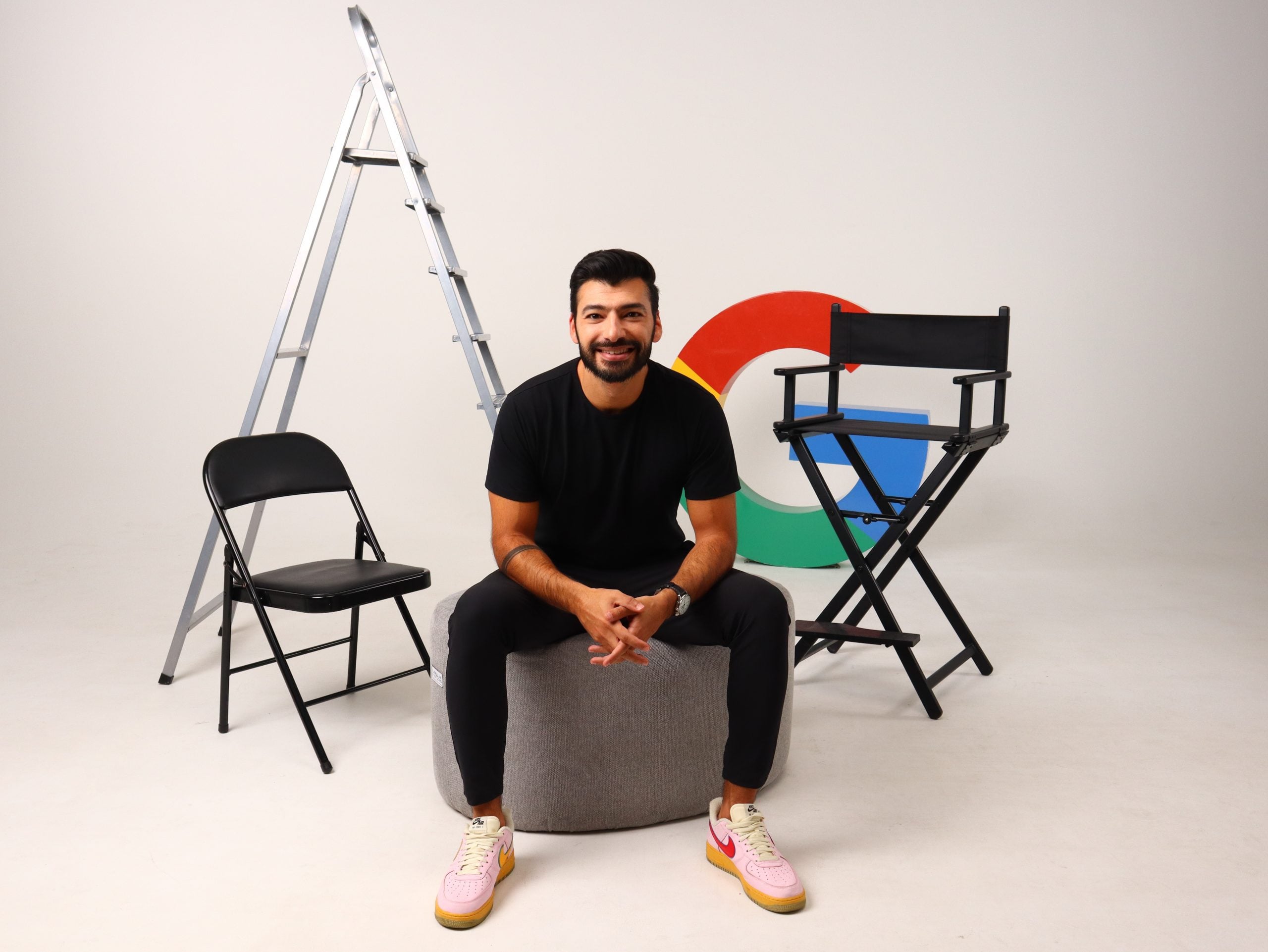
 Ali Cheikhali, Creative Strategy & Innovation Lead, Google
I have judged most of the shows that matter: Cannes, Effies, One Show, Clio. After enough of them, you admit the part we usually leave out. You judge these shows mostly for yourself. For the credential. For permission to open an article with a sentence like the one I just wrote.
They are the reason for those “thrilled to announce” and “honored to judge” posts that can feel more like the objective than the judging itself. The work matters, of course. But so does the private little career scoreboard we all pretend not to keep.
The region has done well at those shows for years. We judge there, we win there, and we hold our own. But at an established show, you are often affirming a greatness the industry already knows how to admire. You are one vote on a verdict reached long before you arrived.
Judging the Innovation category at Athar this past August was the first time in a while that the exchange ran the other way.
I judged it the same way I judge my best friend: alone, online, case after case, for days. Most of it is labour. You watch the films, read the results, and compare ambition to outcome. The danger is not that the work bores you; it is that the work blurs.
Around the sixty-seventh entry, polish starts sounding like proof, and you catch yourself mistaking competence for consequence. That is the real risk in judging. Not bad work, but a tired judge.
What sets Athar apart is not romance. It is responsibility. Every other show ends in a room, physical or virtual, where disagreement becomes part of the process. You argue, test your instincts, and sometimes hide inside consensus. Athar did not give me that escape. No room to disappear into. No final table to soften your view. No committee to blame. Just the work, the screen, and your own standard staring back.
Away from the screen, the true weight of the assignment settled in. At an established show, greatness has history behind it. But sometimes you get the rare privilege of judging while the standard is still being formed. I felt this when I judged the inaugural Creative Commerce Lions at Cannes. We were not just choosing winners; we were writing the criteria. We knew our picks would tell the industry what creative commerce meant for years to come. It felt less like attendance and more like authorship.
Athar carries that feeling across the whole show. Saudi advertising is in that rare, exciting phase where the canon has not fully hardened. The list of work that a young creative in Riyadh or Jeddah may one day study is still being written. Not in manifestos, but in what gets rewarded now.
A young industry’s standards are like wet cement. Whatever sets now is what the next decade presses itself against. Reward the glossy campaign anyone could assemble from the outside, and that becomes the bar.
Reward the work that could only have come from here, and that becomes the bar instead. The cement does not care which. It sets either way.
This is work from local brands actively writing the playbook for the Kingdom. Take campaigns like HungerStation’s “The Shaded Route,” which mapped the moving shadows of Riyadh’s buildings in real time so people could cross the city in the cool, or stc’s “Blind Seats” which translated live match data into real-time haptic vibrations so visually impaired fans could physically feel the fierce energy of the stadium.
You cannot fake that. It does not come from polish. It comes from understanding the country from the inside; the heat, the codes, the rivalries, the absurd little behaviors no presentation deck can reverse engineer.
The other shows mattered to me. This one matters to all of us. The work is being written from scratch, here, by the people it belongs to. Recognising a standard while it is still forming is harder than applauding one after everyone agrees it exists. We are not just deciding who gets a trophy. We are deciding what kind of work deserves to be remembered.
The only unforgivable thing would be to keep treating it like admin.
By Ali Cheikhali, Creative Strategy & Innovation Lead, Google