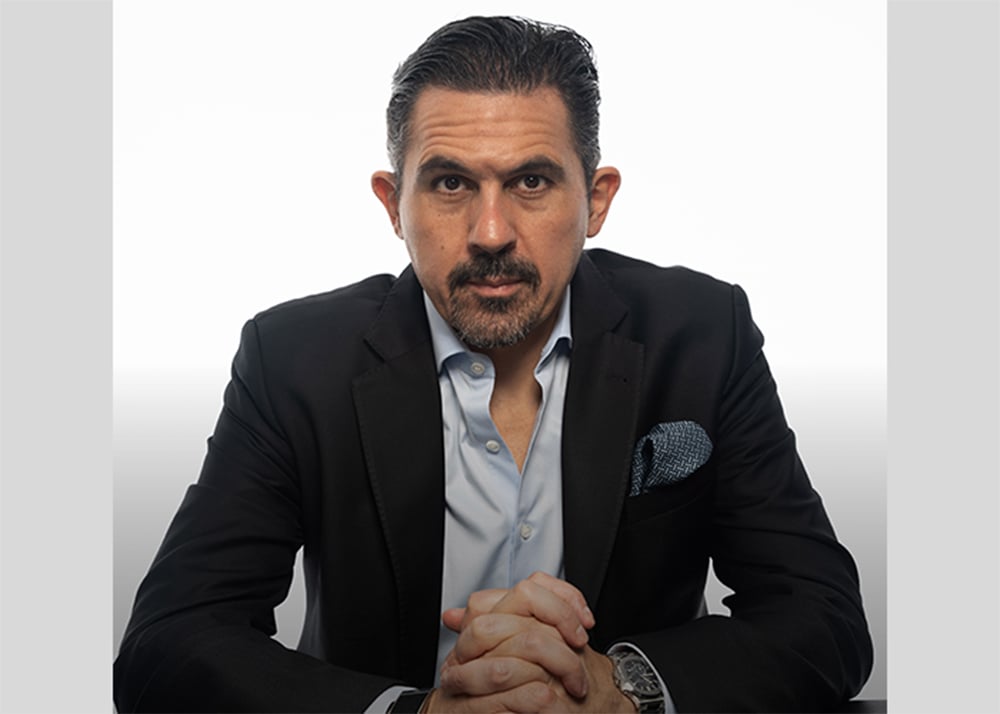
 Ahmed Itani, Founder and Chief Advisor, Cicero & Bernay
“There is no such thing as PR anymore.” Martin Sorrell delivered that line recently in true Sorrell style, with the kind of divisive proclamations he’s built a career on. The industry bristled, predictably. Defensive op-eds followed. The usual.
But Sorrell’s framing overshoots. It’s a punchy verdict with no prescription, mistaking evolution for extinction. What matters now is whether any craft, working in isolation, can still build trust at the speed at which reputations are currently made and lost. The firms gaining ground are those offering something broader: integrated advisory focused on reputation.
PR will never die. But PR on its own? That’s what no longer works. In 2026, I don’t see how any agency clinging to a single discipline can stay relevant for long.
Tickets to Campaign Middle East’s Ramadan Breakfast Briefing & The Year Ahead event are selling out fast. Click here to claim your seat for Friday, 13 February to network with and listen to top clients and agency leaders.
This isn’t a criticism of specialisation. Depth is essential. The problem is when it exists in a vacuum. You can have exceptional talent across every function and still struggle to establish a coherent reputation. Each team delivers against its own brief. Each effort looks successful on its own terms. But expertise without integration is just a series of disconnected efforts, each optimised for its own metrics while the bigger picture falls apart.
‘‘Integration means restructuring, hiring differently and changing how people are used to working. It’s messy and slow. But the cost of inaction is slow irrelevance.’’
Measurement presents a separate challenge. Behavioural psychology has a term for it: the McNamara Fallacy, which describes the tendency to make decisions based on what’s easy to quantify while ignoring what isn’t. We count impressions because they’re countable. We report coverage volume because it looks good on a chart. None of that captures how stakeholders perceive a brand, or if the work is creating new opportunities. When the only outcomes we can demonstrate are the ones our own industry values, we make ourselves easy to replace.
The environment has also grown less forgiving. Reputation is shaped in real time now, by audiences who don’t wait for official statements. A narrative can form in hours. By the time a brand responds, the story has already moved on. The window for influence has narrowed considerably, and fragmented communication efforts make it nearly impossible to respond with any coherence.
Then there’s the fact that the stakeholders have multiplied. Employees form impressions from what they read online. Investors pick up signals from a podcast or a LinkedIn post. A future hire makes up their mind before a recruiter even reaches out. Reputation is being built and assessed in places most companies don’t think to look, let alone coordinate around.
This is where integration stops being a nice-to-have. When perception is formed across this many touchpoints, the only way to build trust is through consistency. Not consistency of message, but consistency of intent. Showing up the same way in every context, whether it’s an interview, a campaign or a comment thread. That requires a different way of working. It demands people who see the whole.
The firms that survive will be the ones capable of building integrated teams as an operating reality. That means hiring a different kind of talent, including strategists who understand the full media landscape, creatives who can design for earned media and communications professionals who understand performance metrics. It demands fewer silos, tighter collaboration and a willingness to be held accountable for outcomes.
It also involves some uncomfortable conversations with clients. The setup where one brand maintains separate relationships with agencies that have never met each other might feel manageable, but it’s not working. The work will go to partners who can see the full picture and connect the dots.
None of this is simple to pull off. Integration means restructuring, hiring differently and changing how people are used to working. It’s messy and slow. But the cost of inaction is slow irrelevance.
The real insight isn’t that PR is dead; it’s that standalone disciplines, however strong, can’t carry the full burden of influence any more. The work has converged. The only remaining choice is whether you organise for that reality or keep defending a structure the market has already moved past.
In 2026, clients aren’t asking if you do PR or advertising or social. They’re asking if you can make it all work together. If you can’t, they’ll find someone who can.
By Ahmad Itani, Founder and CEO, Cicero & Bernay