Few have the privilege of building a destination ecosystem from scratch, particularly one as historically and ecologically rich as AlUla. Three decades of leading tourism from Dallas to Louisiana have polished my understanding of market dynamics. However, in AlUla, the rules of engagement differ.
Here, growth is governed by the guardrails of responsible tourism, where value – not volume – determines success. It is a place where more than 200,000 years of human heritage and natural legacy dictate how we build and promote our destination.
In an era of unprecedented information overload and an authenticity deficit aggravated by clickbait headlines and artificial intelligence (AI), attention and trust are increasingly scarce resources. This is particularly true for travel and tourism. Despite international arrivals to the Kingdom approaching pre-pandemic averages, indicating strong demand, the Instagram-versus-reality gap makes for many a wary traveller.
For a destination such as AlUla, nascent in the global tourism arena, the traditional playbook for destination marketing requires revision. To navigate uncharted territories, advocacy is taking the wheel.
The story of AlUla is neither difficult to tell nor sell. It is carved into its rocks and valleys. Hegra, an ancient Nabataean city and Saudi Arabia’s first UNESCO World Heritage Site, houses more than 110 well-preserved burial tombs. The labyrinthine streets of the AlUla Old Town, the ancient city of Dadan and the open-air library of Jabal Ikmah are monuments to human endeavour. As one of the largest archaeological digs in the world today, this story continues to write itself.
Our strategic imperative is to ensure its resonance. Advocacy is the most potent tool to build long-term destination awareness, credibility and trust. Our strategy unfolds along two interconnected pathways: creating an unparalleled on-ground experience that turns visitors into advocates and broadcasting the narrative internationally to convert awareness into intrigue.
Our destination research with 26,000 global respondents underscores that 71 per cent of consumers seek culturally immersive experiences when selecting travel destinations.
This is supported by Booking.com findings that nearly a third of Gen Zs and millennials actively seek experiences that involve interacting with local people or cultures. These insights reinforce the strategic value of community-led engagement and investing in partnerships and platforms that amplify AlUla’s abundant cultural offering.
Involving the people of AlUla to help craft, tell and uphold the story of this destination is central to our approach. This ranges from training residents to lead heritage tours as Rawis, or storytellers, to revitalising indigenous arts and craftsmanship through Madrasat Addeera, a dedicated creative institute. Visitors can buy artisan-made products at shops and hotels across the destination and participate in workshops throughout the year.
We’re also driving the integrated conservation of local ecosystems to fuel economic and tourism growth. AlUla’s natural oasis and dramatic sandstone landscapes are part of its appeal, as are the wildlife safaris, hikes and desert adventures curated to leverage this compelling natural asset. We’re also leveraging our certified dark skies to unlock emerging opportunities in astrotourism – now and into the future.
Having designated more than half of local land as nature reserves, we’re working towards an ambitious, long-term environmental regeneration, habitat restoration and rewilding effort that includes the reintroduction of critically endangered desert species – an effort bannered by the Arabian leopard.
Our future-focused tourism development strategy prioritises environmental regeneration as a core product to enhance visitor experiences and safeguard AlUla’s intrinsic qualities for generations. If the experiences on the ground capture what makes AlUla captivating and distinct, visitors can become our most credible ambassadors. Regardless of how marketing evolves, little outperforms a trusted opinion.
This draws me to the second pathway: leveraging advocacy to establish destination credibility and authenticity beyond borders.
Establishing an international profile requires long-term partnership and relationship building. Soft diplomacy is, in many ways, the future of tourism resilience.
For AlUla, that has manifested through partnerships with UNESCO, the Smithsonian Institution, Centre Pompidou, Pompeii Archaeological Park and international museums across the globe – from China to Italy, France and the United States.
These institutions have provided us with reputable platforms to promote the conservation and regeneration work being done in AlUla across archaeology, culture and ecology. We curate exhibitions and seminars to contribute to global academic exchange and advancement across these three areas.
We even partnered with global conservation organisations, such as Panthera, an NGO protecting big cats from extinction, and the Cheetah Conservation Fund (CCF), which share the vision of the Royal Commission for AlUla (RCU) for conservation.
These institutional collaborations elevate conservation standards, capability-building, international advocacy and destination credibility, underscoring why partnerships are vital tourism differentiators.
Through these efforts, we’re creating an integrated, forward-looking marketing strategy that also enriches AlUla’s natural and human assets and supports long-term economic growth. This advocacy-led approach is less about self-promotion and more about cultivating a deep connection between destination and visitor. It’s about creating resilient, resonant reputations. If there’s one takeaway, it’s that long-term success is earned. Ultimately, we’re not selling a single holiday. We’re inviting the world to participate in a story of regeneration – a narrative so compelling that it speaks for itself.
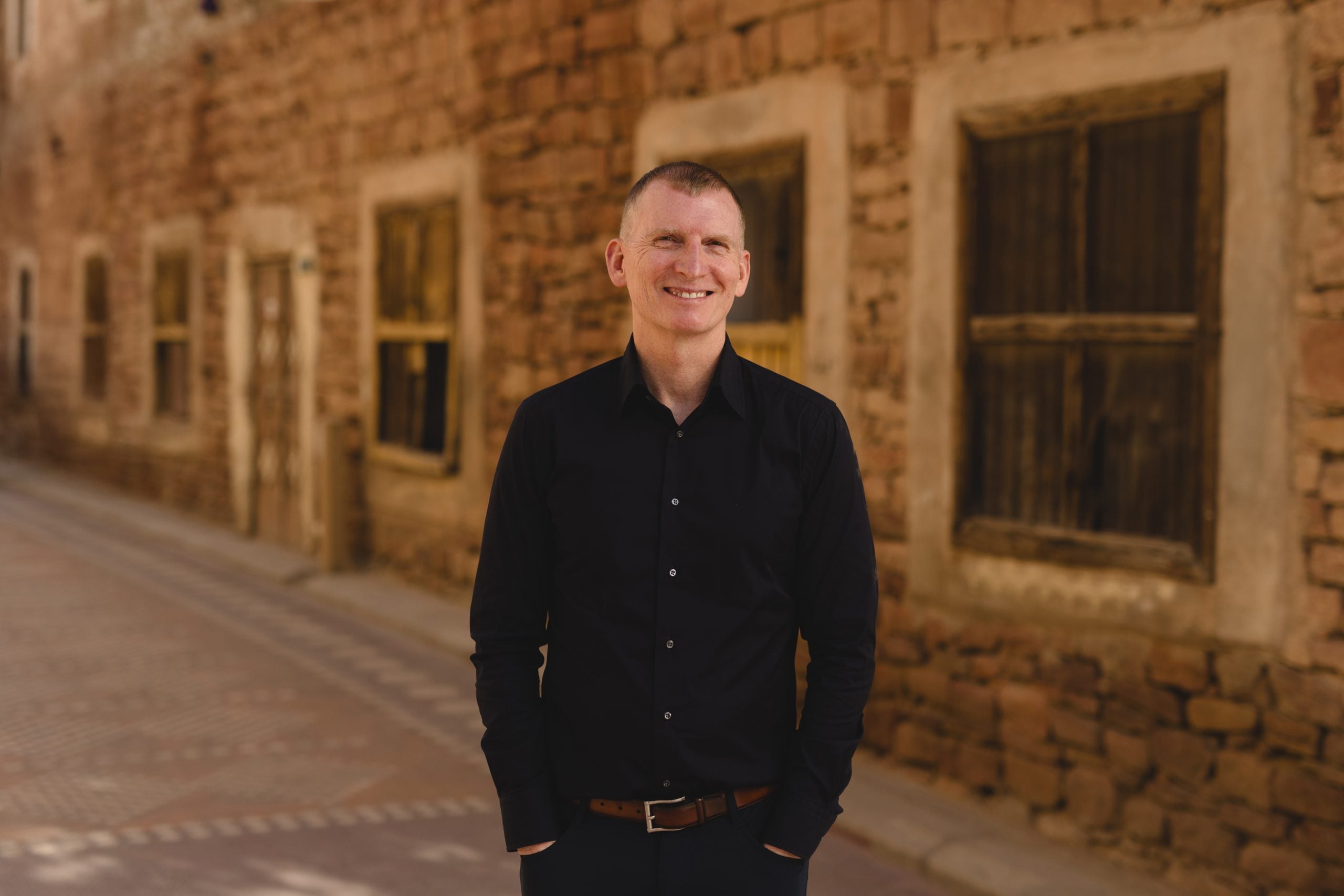
By Phillip Jones, Chief Tourism Officer, The Royal Commission for AlUla