Mobile app fraud is becoming a material performance issue for advertisers in the GCC, according to new findings from Tapper.
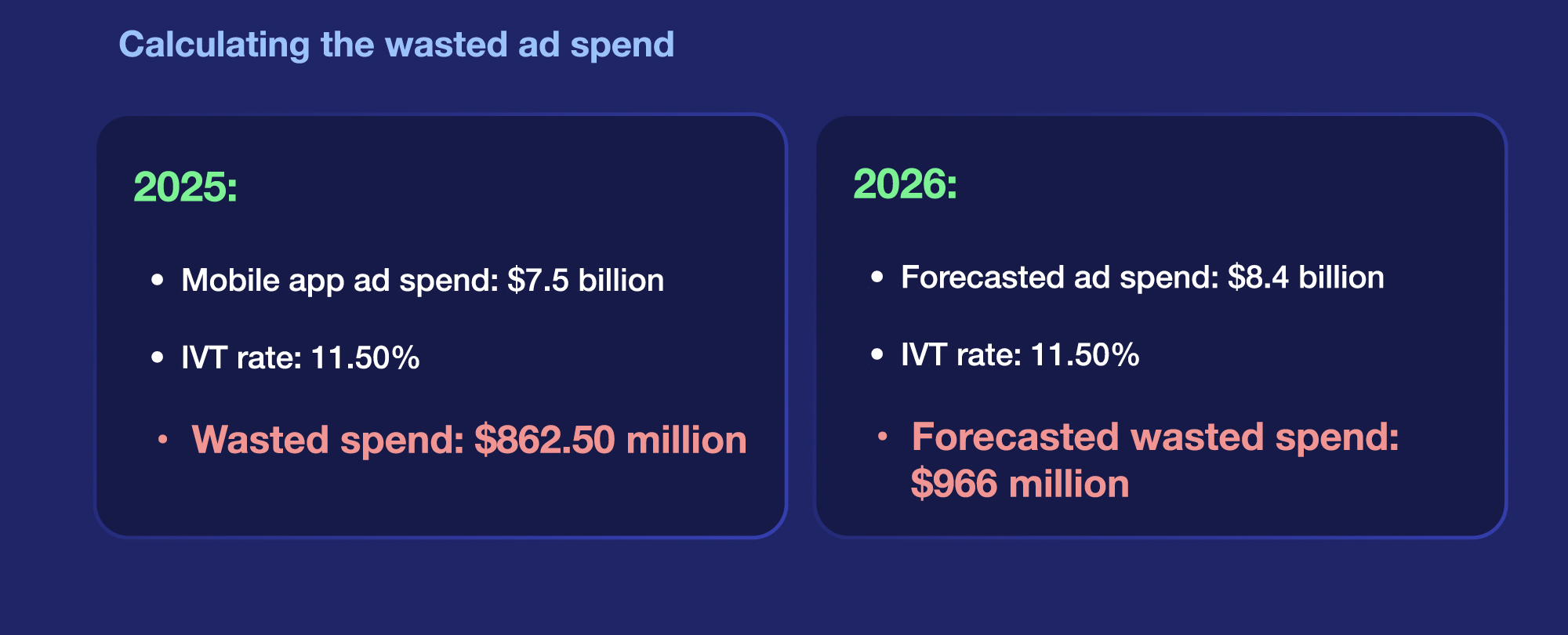
The company’s latest report estimates that $966m in mobile ad spend could be lost to invalid traffic in 2026, based on projected market growth and observed fraud rates.
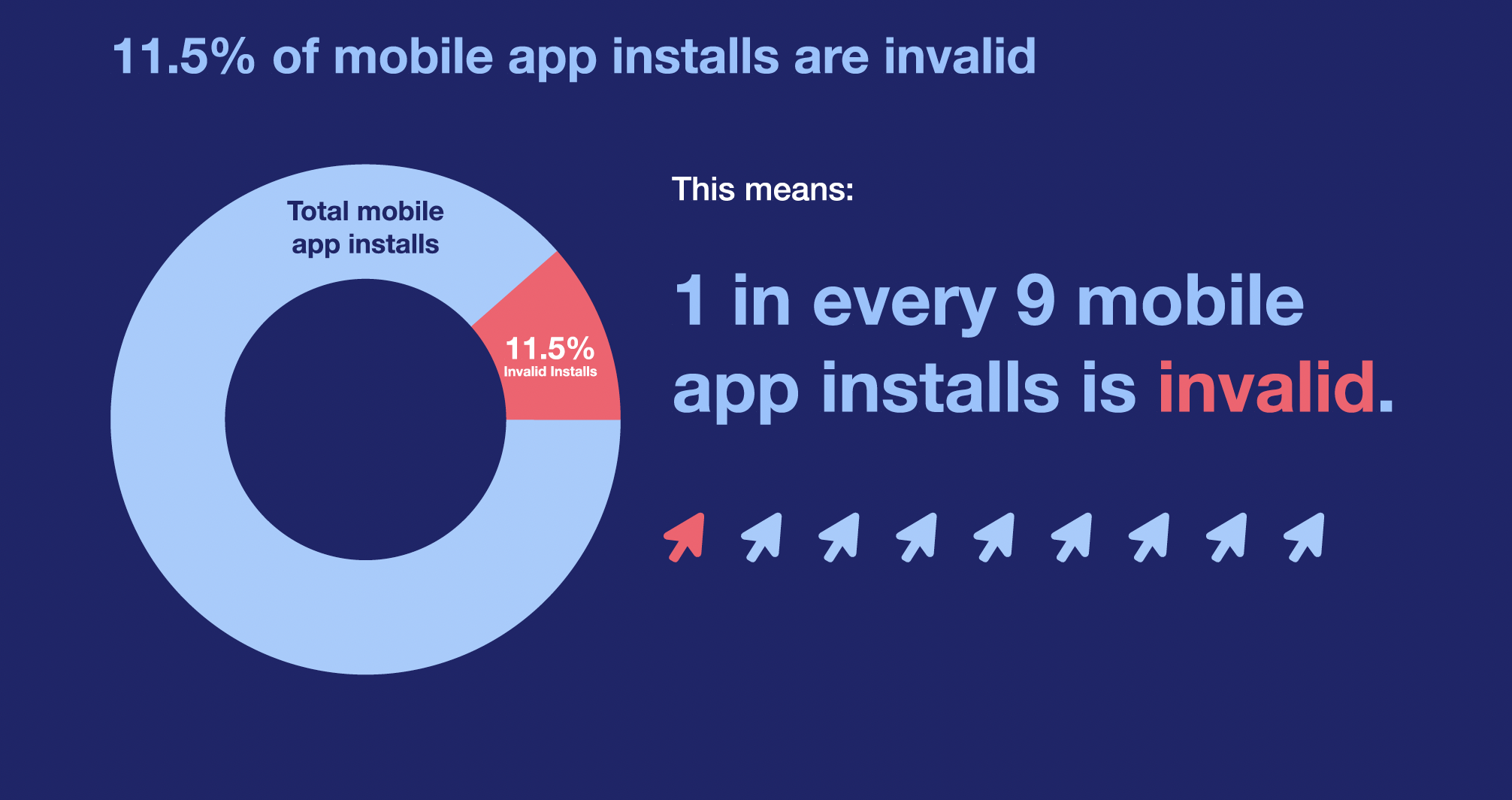
Across early audits, 11.5 per cent of attributed installs were classified as invalid, with higher exposure on Android and in key verticals including finance, ecommerce and gaming.
The findings are based on analysis of 1.6 million installs and 28 million attribution data points across campaigns in Saudi Arabia and the UAE.
A shift in where fraud sits
The Tapper report suggests that mobile fraud is less visible than traditional web-based invalid traffic, often operating within the attribution layer itself.
Three patterns were consistently observed: click spam, click injection and spoofed installs.
Rather than generating obvious fake traffic, these methods distort attribution by assigning credit to sources that did not genuinely drive installs.
“Attribution alone is no longer enough,” said George Achkouty, Regional Business Unit Director at OMD MENA. “The real question is whether these installs are incremental and genuinely driven by media, or simply being credited to it.”
High exposure in performance-driven sectors
Fraud rates were found to be highest in categories with aggressive user acquisition strategies.
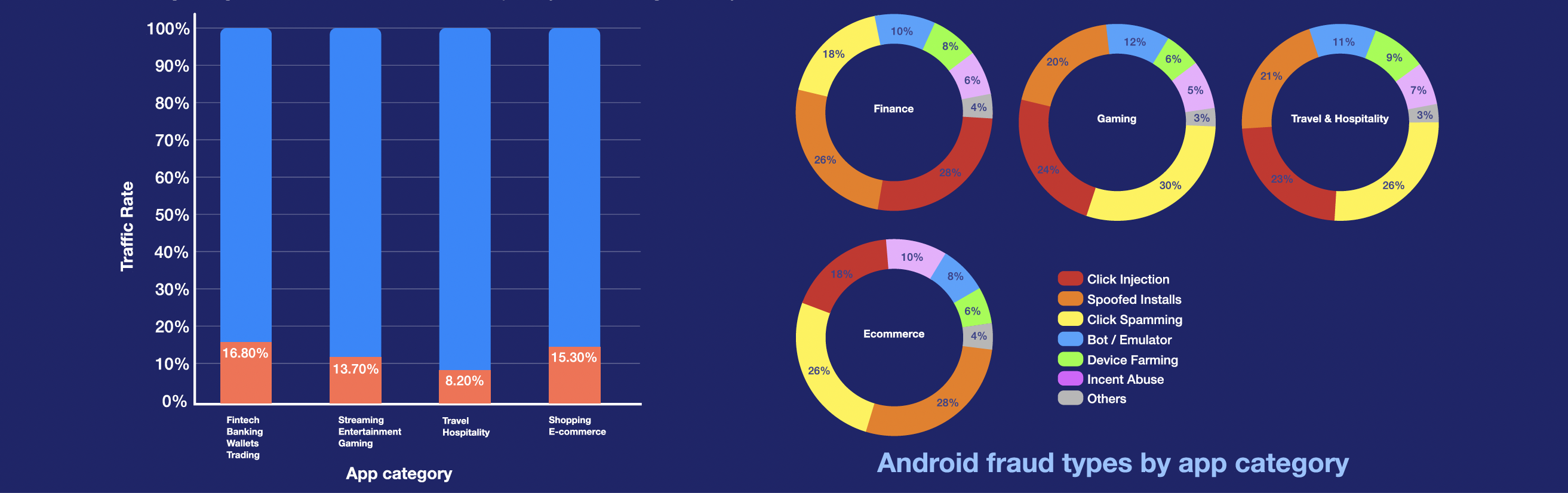
Finance apps showed the highest exposure, with invalid install rates reaching 16.8 per cent on Android, followed by ecommerce at 15.3 per cent and gaming at 13.7 per cent.
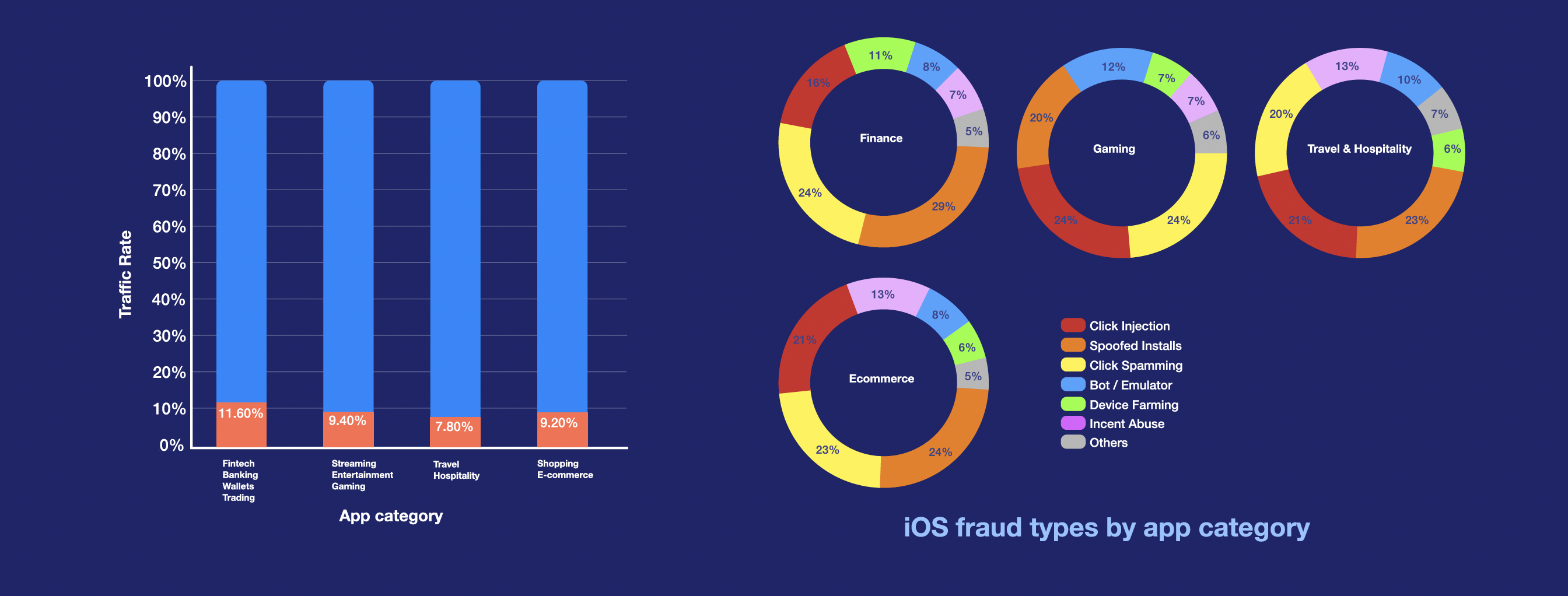
While iOS showed lower levels overall, invalid traffic remained significant across all categories analysed.
Faisal Dean said: “As fraud traffic starts to leverage AI to mimic human behaviour, relying on an existing tech stack is not enough. Advertisers need to move to proactive, AI driven fraud intelligence, to drive both cost efficiency and data integrity for cleaner optimisation.”
Measurement versus trust
A consistent theme across contributors is the growing gap between reported performance and actual user quality.
“Low-quality traffic does more than waste spend. It can also distort reporting, mislead optimisation, skew algorithms machine learning and make good decision-making harder,” said Laura Gleadhill, General Manager at Keyade Middle East.
“A lot of mobile fraud hides in the gap between attribution and reality,” said Khairunnisa Abdar, Performance Director at Assembly Global. “That is why advertisers need an independent way to assess source trust and install integrity.”
Ankur Jain, Director of Growth Marketing at D360 Bank, said, “Mobile fraud becomes especially serious when it starts affecting the measurement layer itself. Once that happens, the business is not just paying for bad traffic, it is learning from bad data.”
Industry response
The findings come as mobile ad spend in the GCC is projected to reach $8.4bn in 2026, increasing the potential impact of even moderate levels of invalid traffic.
Alongside the report, Tapper has launched a mobile app fraud protection product designed to block fake clicks in real time before they are attributed, while analysing click-level behaviour, attribution consistency and post-install signals to surface low-trust traffic and questionable sources.
“The strongest signal is rarely one metric on its own. You need to combine click timing, infrastructure quality and downstream behaviour to understand whether an install is actually credible,” said Abdelnabi Alaeddine, Regional Director MENA – Digital & Partnerships at UM MENAT.
The company says the aim is to give advertisers a clearer view of traffic quality and attribution integrity as app acquisition budgets continue to scale.