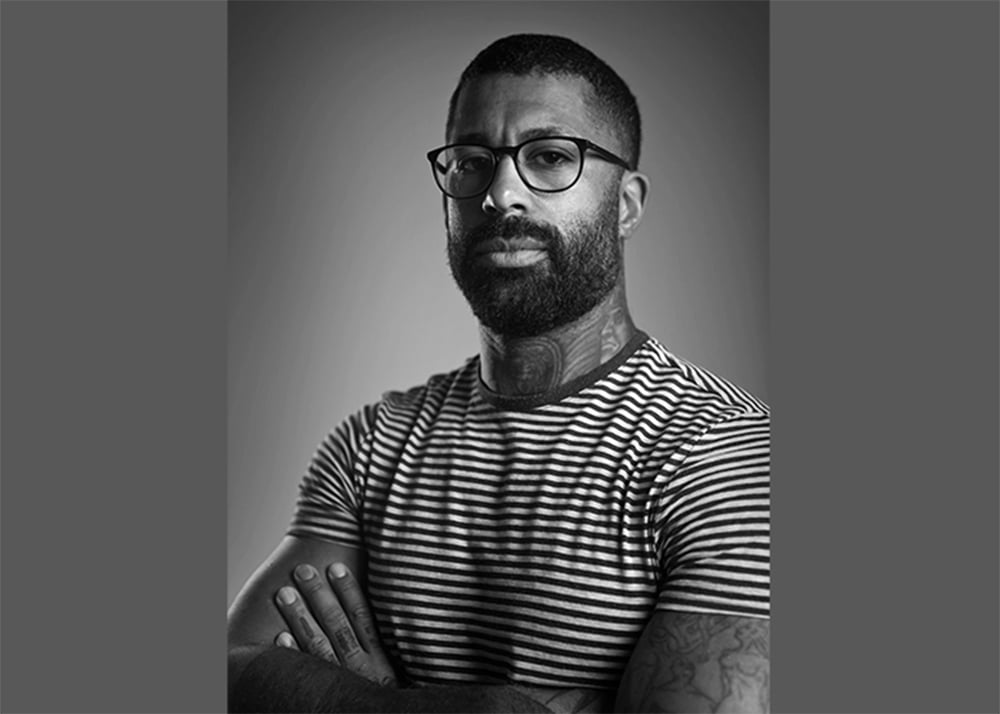
 James Young, Associate Creative Director at We Are Social.
As a lifelong football fan, I’ve always been obsessed with the emotion of sport. The roar of a crowd, the heartbreak of a missed chance and the way a single goal can unite millions. But today, that emotion isn’t just felt in stadiums.
It’s lived out online, in TikTok edits, memes, livestream reactions and creator content that turns every match into a cultural moment. Sports has always been theatre but now it’s participatory theatre, with billions of fans as both audience and co-creators.
That’s what our new Winning Fans and Feeds in APAC report explores. Sport is evolving, and so is fandom. The power dynamics of who shapes sporting culture has shifted. Fans are no longer passive consumers sitting behind screens; they’re storytellers, remixers and commentators who make the realm of sports feel alive 24/7.
Women-led communities are rising and reframing what fandom looks like. Athletes are becoming creators in their own right – building audiences not just for their performance on the pitch but for their personalities, values and humour off it. And the boundaries between sport, entertainment and identity have all
but disappeared.
From watching to belonging
For brands, that shift demands a new playbook. Sponsorships and logo placements are no longer enough. Fans aren’t looking for brands to broadcast; they want brands to belong. The real opportunity is not to interrupt the moment but to enhance it. To be part of the creative energy that fans already generate.
That’s where our ‘Fandom Fabric’ framework comes in. It identifies eight archetypes – from ‘The Coach’ who inspires, to ‘The Collector’ who curates, to ‘The Creator’ who collaborates – that help brands understand how to contribute authentically to fandom. It’s about tone, timing and truth. Whether you’re activating during a global event like the World Cup or tapping into a local league, the guiding principle is simple: Contribute to culture, don’t just advertise around it.
When brands embrace the culture of play, they stop feeling like sponsors and start feeling like participants. Think of Red Bull turning extreme sport into a media empire, or Nike elevating the stories of everyday athletes. These brands don’t just talk about sport; they speak the language of sport, fluently and fearlessly.
The Middle East is ready to play
Here in the Middle East, that language is being rewritten in real time. The region’s sporting scene is exploding – from Saudi Arabia’s Vision 2030 investments and major football signings to the rapid growth of women’s football leagues, to the excitement building ahead of global events hosted across the Gulf. But the real story is what’s happening off the field.
Scroll through TikTok during a match and you’ll see creators blending sport with music, humour and local pride. Fans aren’t just reacting to goals; they’re remixing commentary and turning highlights into storytelling. Sport has become the raw material for creativity and a way for people to express their identity, humour and belonging.
It’s culture in play: messy (not that one), vibrant, emotional and authentic. For brands, it’s an invitation. The biggest opportunity isn’t just to appear during half-time; it’s to join the fun, to show up in the feeds where fans already live, laugh and play. Every remix, every gif, every fan post is a tiny act of creation, and that’s the energy brands should be tapping into.
Owning culture, not just showing up
Our Culture In Play report for the upcoming FIFA World Cup 2026 puts it simply: Brands need to own culture, not just show up in it. The days of relying on big-budget hero ads alone are gone. Today, the most resonant campaigns grow from the ground up – co-created with fans, powered by creators and shaped
by participation.
Across APAC, MENA and North America, the pattern is clear: Passion drives participation, and participation drives culture. Sport is no longer just a spectator event; it’s a shared canvas where creativity, identity and emotion collide.
The pitch is global, the crowd is online, and the possibilities are infinite. For brands, that means rethinking what success looks like. The next big sporting moment won’t be defined by who has the biggest billboard, but by who inspires the most fan-made content. Who fuels joy, pride, humour, and connection – not just awareness.
Because, ultimately, the culture of play is about belonging.
It’s about the shared language of emotion that connects a kid juggling a ball in Manila to a gamer in Dubai to a fan in São Paulo celebrating a 90th-minute winner.
For brands that understand how to tap into that and see sport not as sponsorship but as storytelling, the game is only just getting started.
By James Young, Associate Creative Director at We Are Social