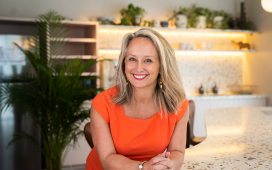
From top left, clockwise, Hanan Eissa, Vice President – Marketing and Public Relations, Atlantis; Kiran Haslam, Group Chief Marketing Officer, Diriyah Company; Özge Onur Aboughali, Senior Director Marketing MENA, Lipton Teas and Infusions; Terry Kane, Managing Director MEA, The Trade Desk; and Sheila Chaiban, Chief Marketing Officer, Majid Al Futtaim Retail.
Ramadan resets the rhythm of life across the Gulf region with reverence, and with it the cadence of marketing. In a month when mealtimes move, nights lengthen, families gather, and all that is sacred comes to the fore, brands find themselves playing to a different tempo. The beloved Holy Month of Ramadan in the region can be both a quieting of the commercial drumbeat and a moment of intense orchestration. The contrasts are instructive – and constructive.
In some parts of the region, the month is observed in a way that dovetails fasting and food with family time, moments and memories with meaning – with subdued brand-building and muted marketing. In the more metropolitan cities, the imperative is to keep the atmosphere buzzing, while guiding locals, residents and visitors alike through significant customs and unforgettable experiences – with tact.
Focusing on business outcomes, in the fast-moving consumer goods (FMCG) and retail landscape, Ramadan can make or break the year – depending on whether it’s done right; for hospitality, it’s a chance to coalesce culture and core values with convenience and commerce; for remarkable destinations such as Diriyah, it’s about being present for the community at all hours – often, quite literally.
“It’s about speaking the language of the region, understanding local rituals, and showing up in ways that feel authentic.”
Meanwhile, media behaviour shifts in tandem with the change in active and meal-time hours within the region. Late-night linear TV and connected TV (CTV) viewership peaks; use of mobile phones and tablets surges after dark; and time spent in front of laptops and desktops, and time spent behind the wheel drop considerably during the daytime. Advertisers and performance marketers are required to recalibrate accordingly in real time.
Cultural fluency and commercial clarity becomes the need of the hour – driven by deep, data-led insights into individual behavioural patterns, beliefs and intent. It’s no surprise that marketers are now turning to their tools, technologies and trusted instruments – creative, channel mix, operations and measurement – to propel profitability and connect more closely with cohorts of hyperlocal communities within the region.
To discuss all this and more, The Marketing Society in partnership with The Trade Desk and Campaign Middle East, brought together a group of marketers for an in-depth conversation, including:
- Kiran Haslam, Group Chief Marketing Officer, Diriyah Company
- Sheila Chaiban, Chief Marketing Officer, Majid Al Futtaim Retail
- Özge Onur Aboughali, Senior Director Marketing MENA, Lipton Teas and Infusions
- Hanan Eissa, Vice President – Marketing and Public Relations, Atlantis, and
- Terry Kane, Managing Director MEA, The Trade Desk
- Moderated by Alasdair Hall-Jones, Global Director, The Marketing Society.
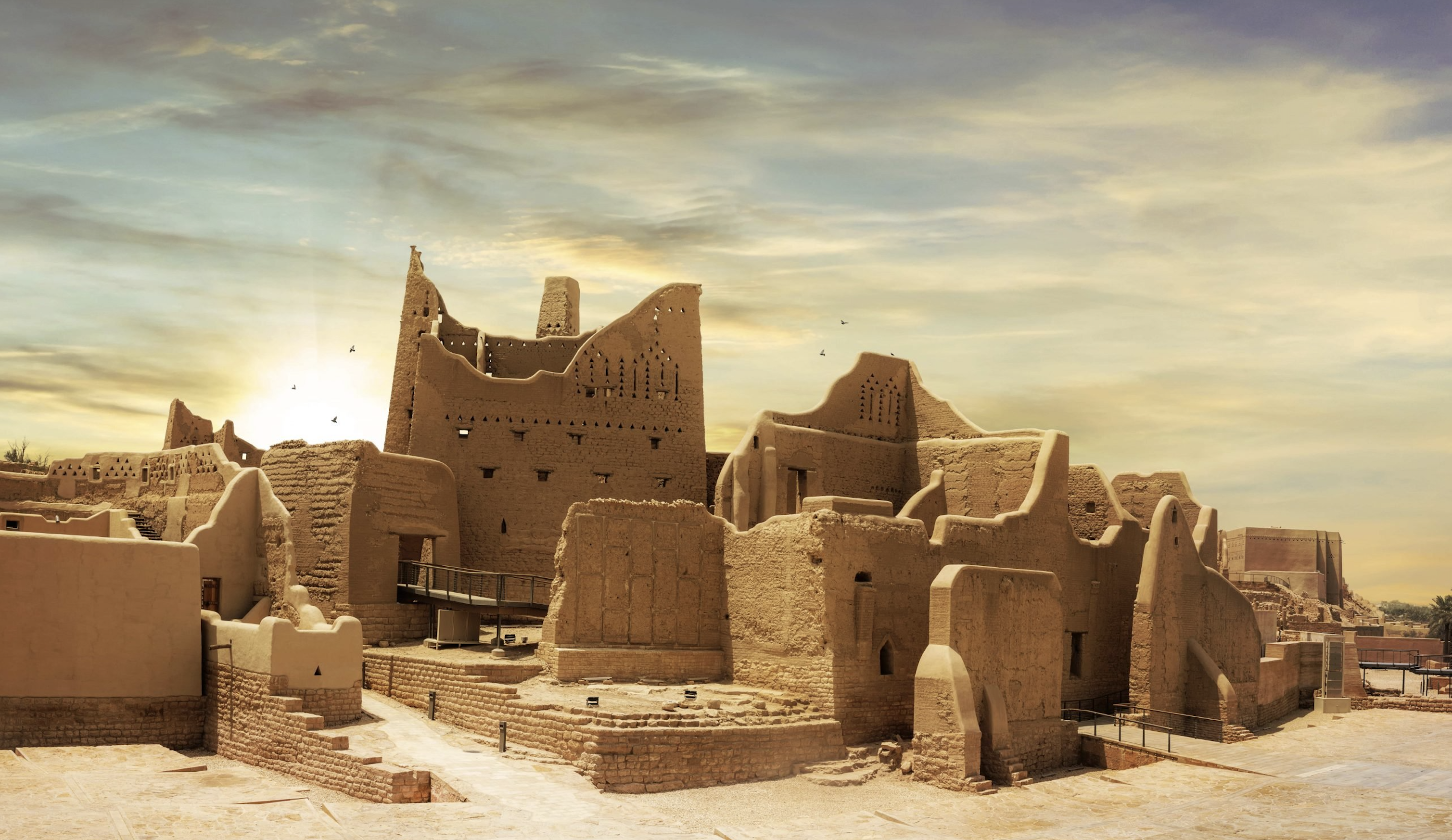
Riyadh’s ‘modest magnificence’; Dubai’s ‘balanced beauty’
The conversation begins with how a brand’s tone during Ramadan needs to strategically resonate with how the Holy Month is observed in each specific part of the Middle East region.
Noting the mindset that frames both strategy and execution in Riyadh, Kiran Haslam, Group CMO, Diriyah Company, says, “Saudi Arabia is a place where the ritual of Ramadan is still highly respected. There’s a slight step away from the commerciality of it all. Ramadan really becomes a moment that feels very authentic, very meaningful and personal – and it’s very different to every other GCC country I’ve been in or worked in.”
He adds, “We have a very interesting approach with Diriyah, where we represent ourselves to the world through what we call, modest magnificence, and that sits really nicely with how Ramadan is celebrated.”
In Dubai, the Atlantis hotel brand keeps the lights bright while staying true to the spirit of the Holy Month.
Hanan Eissa, VP – Marketing and Public Relations, Atlantis, describes how the hospitality icon leans into occasion and education, while maintaining ‘business as usual’,
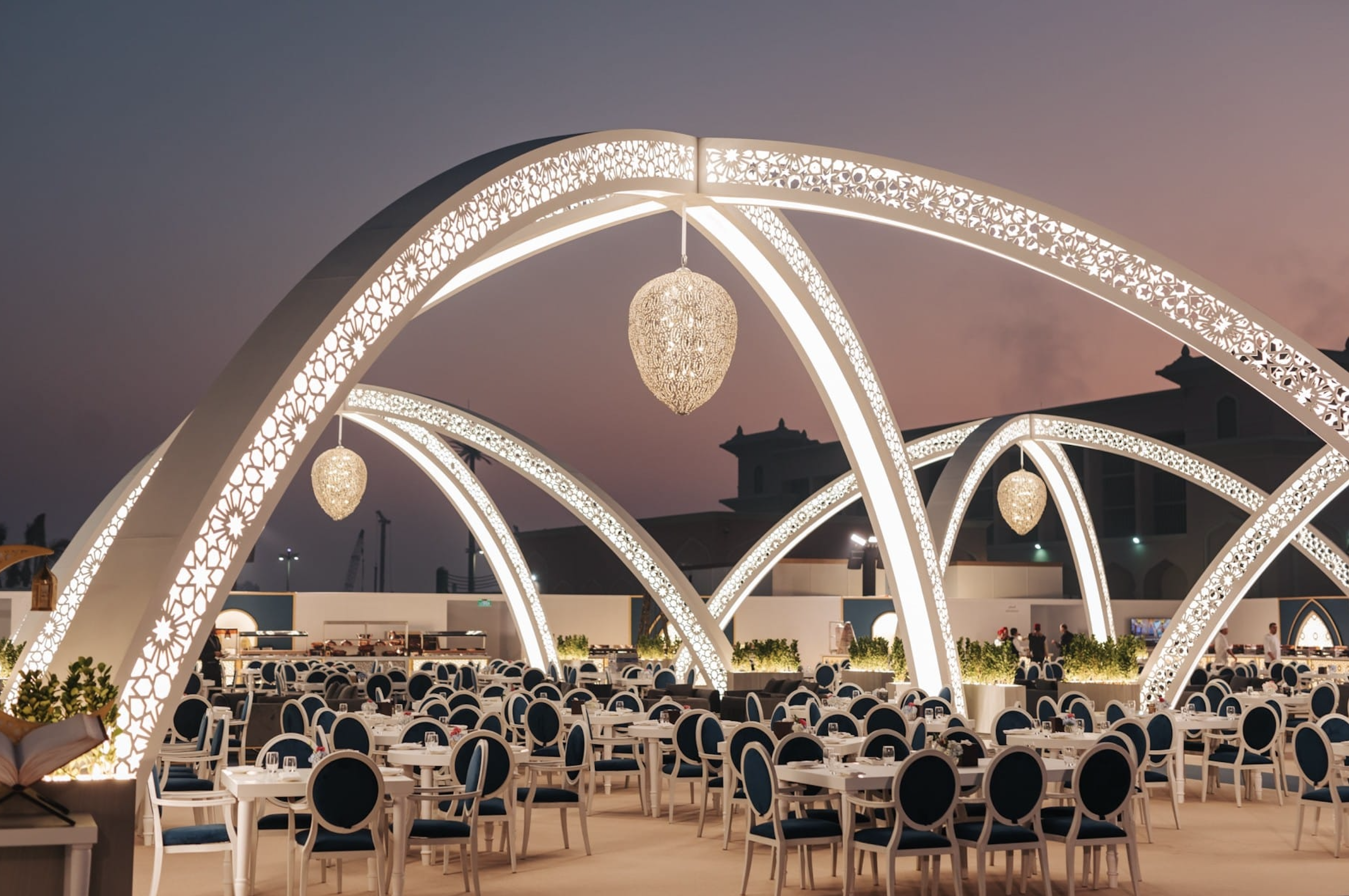
“Ramadan is a very important month for us. On one hand, we have our ‘Asateer’ Ramadan tents for Iftar and Suhoor at Atlantis The Palm every year, which has become an institution. We accommodate approximately 2,000 people a night for Iftar and Suhoor combined,” Eissa says. “On the other side, we also have to showcase that the hotel is carrying on with business as usual.”
She adds, “This means, while we’re always very respectful of the Holy Month of Ramadan, and while we’re educating guests and guiding them through the customs and associated traditions – such as dressing a little more conservatively – we also highlight that in Dubai, it’s business as usual. Guests can go to the pool or the beach, can order food at the F&B options, and don’t feel a huge difference in their hospitality experience despite being mindful and respectful of the occasion.”
Ramadan: Setting the tone for success
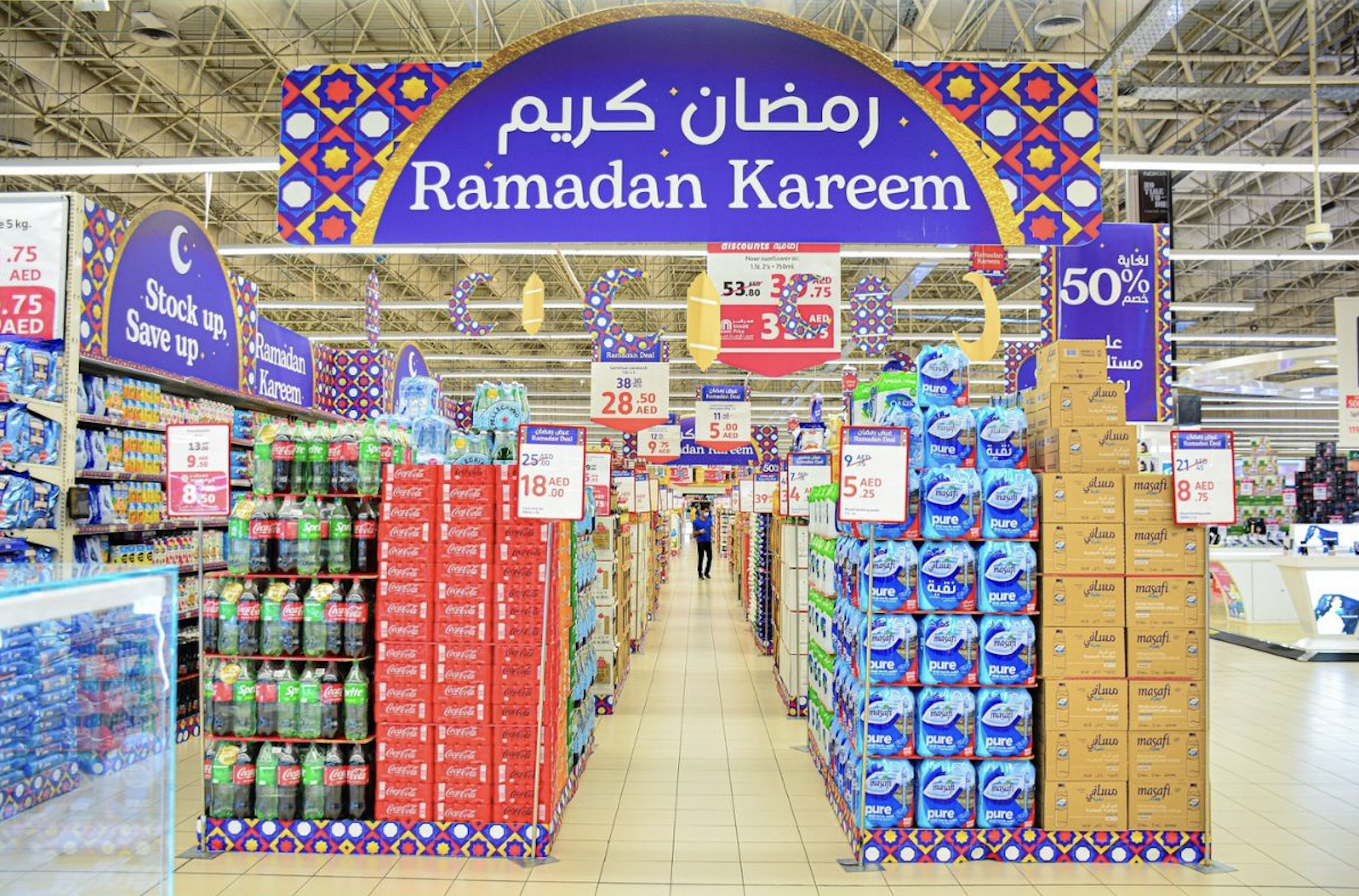
If hospitality curates experiences, the retail and FMCG landscape fine-tunes the omnichannel journey and the supply chain to enable seamless moments during an extremely intense sales window.
Sheila Chaiban, CMO, Majid Al Futtaim Retail (MAF Retail), is quite direct about the stakes.
She says, “Ramadan is the most important period of the year for our business, it can make or break the year. In fact, it’s not one period but three, requiring focus across the business before, during and after Ramadan.”
“As a grocery retailer, we are naturally embedded into family life and the period is just as important emotionally,” Chaiban explains. “The frequency with which customers come to our stores is very high. That means we need to understand that we’re not just selling food and products; we’re enabling these crucial moments for families, which is specifically true during Ramadan, when mealtimes gain deeper meaning.
So, that’s our ethos: We always lean into the values of Ramadan and the DNA of the brand – and bring them together – becoming a trusted companion for families, enabling their most meaningful moments.”
Turning to the beverage aisle, Özge Onur Aboughali, Senior Director Marketing MENA, Lipton Teas and Infusions, explains why Ramadan sets the tone for the whole year.
“Ramadan really is the heartbeat of the year for FMCG,” Aboughali says. “Roughly one-fifth of annual FMCG sales are generated in this single month – and for core Ramadan categories like tea, that share is even higher. We treat Ramadan not as a campaign window, but as a business season that defines the entire year.”
Aboughali adds, “That’s why our planning starts six to eight months in advance, aligning product availability, campaign development, media precision, and retailer activation to deliver both cultural relevance and commercial impact. Where we are right now, we already know exactly what we’re going to do for the upcoming Ramadan in extreme detail – because that will set the tone for how the entire year ahead is going to pan out.”
She also underlines how cultural relevance and sharp category execution come together during the Holy Month of Ramadan.
Aboughali adds, “Beyond its commercial importance, Ramadan is when tea becomes emotionally and culturally inseparable from daily rituals – from Iftar gatherings to late-night Suhoor moments. Tea extends social connection; it’s what keeps the gathering going. We’ve built our entire Ramadan platform around these shared moments, positioning Lipton as the companion that carries people from Iftar through Suhoor.”
“Ramadan naturally brings a surge of shoppers to the aisle,” she continues. “When executed well, it can become truly transformative – turning that traffic into new buyers. Our collaboration with a key retailer during the Holy Month, for instance, helped Lipton recruit more than 45 per cent new shoppers, proving the power of getting both relevance and execution right.”
The media reset during Ramadan
Leaders also converse about how media, viewership and attention patterns change during the Holy Month, demanding different buys and different measurement.
Terry Kane, Managing Director MEA, The Trade Desk, zooms out to describe what the adtech platform sees at scale during Ramadan.
“We don’t own any inventory. We act as the tech that sits between publishers and buyers of media, and help advertisers directly or indirectly gain access to those publishers. So, we get trillions of data points, especially in terms of bid requests – or opportunities to buy media every day – which amount to millions per second.” Kane explains.
He adds, “What we’re seeing, particularly during Ramadan, is this massively high attention opportunity. During a period when media habits change, how time is spent changes, where attention is channelled changes, and habits change. The way media is bought and sold ultimately changes as well.”
Retailers have already shifted their mix to reflect these Ramadan realities.
Explaining the pivot in terms of how the MAF Retail team plans and buys, Chaiban says, “During Ramadan, we move a lot of our spend towards digital channels, and away from the traditional out-of-home that we used to do historically. Digital has moved us from one size fits all to hyper-targeted, in the moment engagement, allowing us to scale hundreds of micro-segments, serving tailored creatives that resonate with different family needs, without inflating cost. When we started this shift in 2023, we noticed an immediate effect – we doubled our return on investment (ROI) just by a simple medium exchange.”
Additionally, new media formats, brand experiences and good old in-person customer service all feature in the marketers’ Ramadan playbook.
Aboughali says, “We’ve seen real returns from investing in connected TV – especially by being selective about which Ramadan shows we appear around. Gaming is also becoming an exciting new space, as nights stretch into Suhoor and Gen Z stays online and engaged. These are the moments where new rituals form, and where brands like ours can connect in more contemporary ways.”
Kane agrees on this arc, saying, “Connected TV can be individualised and personalised a lot more compared with traditional 30-second ad slots. In my view, the only future for television, which is going through a renaissance period of its own, is CTV and programmatic television.”
Leaning more into platforms, Eissa explains, “We do a lot on digital and social channels, which resonates really well with our audiences during Ramadan. As Ramadan slowly moves away from the summer months into the cooler periods, we’re seeing a lot more people spending time outside – and, as such, interacting a lot more on interactive and immersive platforms”.
On the omnichannel front, Chaiban talks about blending in-store moments with tailored digital journeys while keeping the focus on families during the Holy Month of Ramadan.
She says, “This year, we are innovating around empowering children to build healthier food habits, and involving children in the rituals of Ramadan is a perfect way to do that. For instance, getting them to cook certain meals, to try and help with the preparation, and getting them more involved at a younger age. As such, we’re looking at how that drives the digital innovation journey alongside the physical retail experience for families.”
Above all, on-the-ground agility remains critical. Haslam sums it up saying, “We have to totally reinvent the way we engage with our customers, our partners, and internal and external stakeholders.” He explains that this goes beyond a cultural and commercial context – to embrace the realities of life, including changing working hours to align with people being more active during the night than during the day.
Finding the commercial-cultural balance
Laying out a simple rule for global brands operating locally, Aboughali explains how commercial and cultural objectives are inseparable during Ramadan.
She says, “Global brands can’t just adapt existing work – they need to truly connect. It’s about speaking the language of the region, understanding local rituals, and showing up in ways that feel authentic to people’s daily lives. When you get that balance right, you earn both cultural credibility and commercial impact.”
Chaiban adds, “Ramadan is such a sacred period, and I think we all have to understand and accept that. Tone and timing are everything, from the imagery we use, to the pace of media spend, to how we show empathy around fasting hours. It all starts with building respect for the occasion before we execute anything – whether it’s a promo message, or whether it’s a more engaging piece of social content.
She explains, “The sweet spot is where our brand promise meets cultural values, like ensuring fresh ingredients are delivered daily to bring families together, or having affordable bundles that can support households hosting larger gatherings. Authenticity is crucial, we don’t try to be something we’re not. We focus on enabling Ramadan traditions in ways that are practical, emotional, and real.”
For Diriyah, the pulse of the Holy Month drives operations as much as marketing. Haslam outlines the scale and the on-call mentality required.
“To put it into context, across our $64bn master plan – we are building a city from a blank canvas – and the stage that we are in right now is that we’ve got some components which are operational: We’ve got a collection of luxury hotels; we’ve got two dining districts; we’ve got some parklands and public realm experiences; and we’ve got a UNESCO World Heritage Site – all of which are fully operational right now,” Haslam says.
He explains, “The reality is that every day of the week, we are on the customer’s watch for our efforts to bring life into the masterplan. Specifically when it comes to our real estate sales and commercial property tenancy. We have to proactively anticipate customer needs and we have to react to them. So, if during Ramadan they wish to have a conversation at 2am, or they want to visit the site, we need to be available operationally at all times.”
Additionally, Diriyah also views Ramadan through a civic lens, investing considerably in corporate social responsibility in the form of food drives and other such initiatives. As such, Ramadan goes far beyond cultural messaging to become a part of lived experiences and practised values at Diriyah.
All in all, across different sectors and categories, the same themes resurface: plan early, listen carefully, tailor by moment and market, and be present in ways that matter. This could mean different things in different contexts – whether it’s an authentic traditional experience in a Ramadan tent; or helping a family seamlessly get dinner on the table after a day of fasting; or being available to help a guest in-person at 3am.
Leaders conclude that marketers need to prepare for Ramadan with precision, purpose, and presence – leaning into data to sharpen the brief, creativity to win hearts, and empathy to connect with people on what matters most to them.