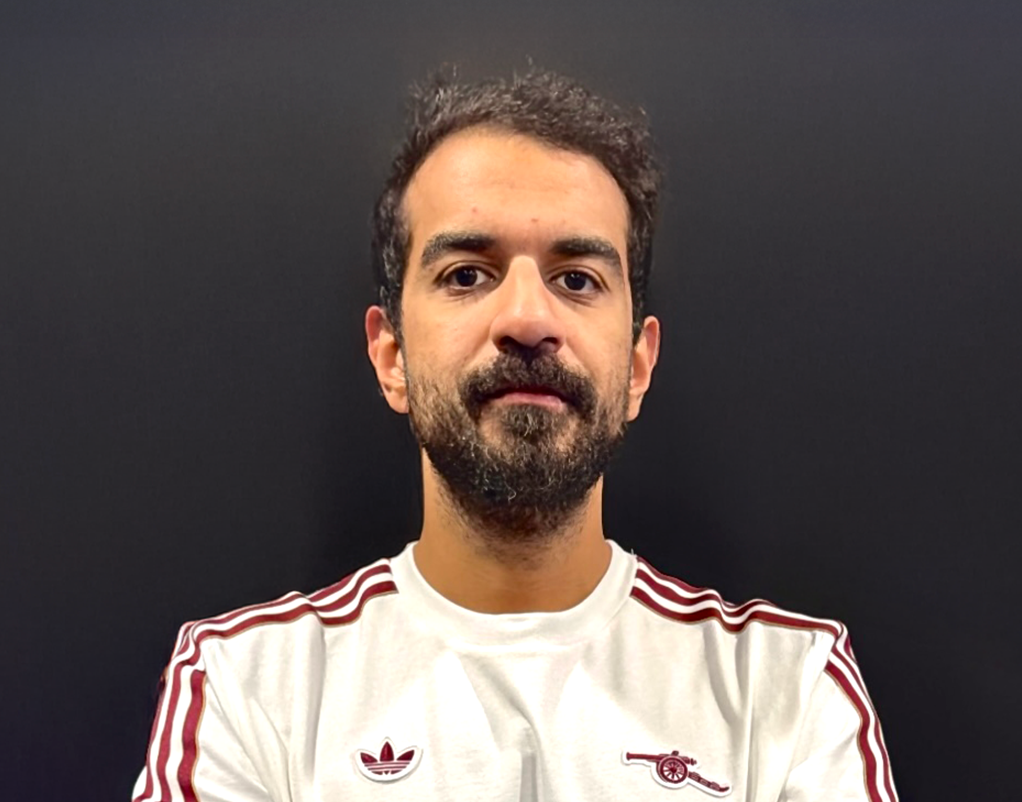
 Ramy Nabil, Regional Sports Account Director at Kijamii.
Too often, sports marketing is treated as an add-on. Something to activate when a sponsorship deal lands or a big event appears on the calendar. But sports is not a seasonal opportunity or a vertical on an org chart. It is a living, breathing culture.
To work in sports is to understand the emotion behind every goal, the story behind every rivalry, and the unspoken connection between fans and their heroes. If you don’t feel that, you can’t expect to move others with it. In this industry, you’re not just selling products, you’re channeling passion systems that drive identity, pride and belonging.
Fans don’t just consume; they connect. They don’t just buy; they believe. That is what separates sports marketing from every other discipline. When we enter a sports briefing, we are not talking about awareness or reach. We are talking about loyalty, culture and emotion that cannot be bought, only earned.
The currency of sports is emotion, not impressions. You can buy visibility, but you cannot buy devotion. True connection comes from cultural fluency, from understanding the pulse of fans and the pride of their communities. That is what turns a sponsorship into a story and a campaign into a movement.
For agencies, this means building structures that are as fluid and passionate as the world of sport itself. Sports cannot exist in silos, and neither can the teams that work on it. Strategy, data, creative and production need to move together with one shared goal: To earn emotion, not just attention.
This shift from message to meaning is what defines the next era of sports marketing. It is what distinguishes those who simply ‘do sports’ from those who belong in it.
Across the MENA region, that shift is already under way. Sports marketing here is growing faster than it is maturing, and that creates both opportunity and responsibility. We are witnessing a wave of ambition unlike any before.
New leagues are forming, international tournaments are arriving, and regional brands are stepping confidently into global arenas. But scale alone is not success. What matters is soul. Sports in our region is not just entertainment. It mirrors national ambition, youth identity and social transformation. When Saudi Arabia hosts the WTA Finals or invests in new football infrastructure, it is not just importing events. It is exporting culture. It is telling the world something about who we are and who we aspire to be.
That is why sports marketing in MENA must evolve beyond the transactional. It requires cultural literacy as much as creative expertise. It demands teams who understand why a 17-year-old fan in Riyadh connects differently to a club in Madrid than a 17-year-old in Jeddah does. These nuances matter because in sports, the smallest details define loyalty.
Many agencies are built for efficiency, not emotion. They can deliver content, but not conviction. They optimise campaigns but rarely live the culture they are trying to represent. That is why some sports marketing still feels polished but hollow, correct but forgettable. Sports is not meant to be neat. It thrives in chaos, in unscripted energy, in raw authenticity that cannot be focus-grouped.
Sports marketing needs people who know when to go off script, when to follow the fans and when to simply get out of the way and let the moment speak. You can’t fabricate goosebumps. You must earn them.
As a regional industry, we have a responsibility to treat sports not as an opportunity to sell but as an opportunity to belong. The role of agencies and brands is to amplify, not appropriate; to translate emotion, not replicate it. When done right, sports marketing does more than drive engagement. It shapes culture, builds unity, and strengthens national pride. The future of sports marketing in MENA will belong to those who embrace that truth. The ones who see fans not as segments but as communities. The ones who balance data with empathy, planning with passion, and precision with heart.
Because, at its core, sports marketing is not about campaigns. It is about connection. It is about creating work that works because it understands what people play for, cheer for, and believe in. And the moment we stop being fans ourselves, we lose the very thing that makes this industry worth being part of.
By Ramy Nabil, Regional Sports Account Director at Kijamii