fbpx
AdvertisingCreativeFeaturedOpinion

Selling or serving? Rethinking Ramadan advertising

FP7 McCann's Nayaab Rais says Ramadan advertising isn’t about how many emotions or jokes we can squeeze into a 60-second reel. It’s about whether we can create with reverence and help brands find their purpose.

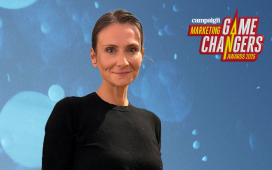
Nayaab Rais, Executive Creative Director, FP7McCann on Ramadan AdvertisingNayaab Rais, Executive Creative Director, FP7McCann

I have a complicated relationship with Ramadan advertising. As a Muslim creative, I find myself constantly walking the tightrope between faith and marketing.

On one hand, I love great Ramadan ads — the grand cinematic storytelling, the sweeping scores, the emotional pull that makes you feel all warm and fuzzy, like a halal version of a John Lewis commercial. On the other, I’ve sat in countless meeting rooms debating just how much we should commercialise the holiest month of the year before it feels … well, icky. Sadly, it’s increasingly starting to feel like Black Friday in a thobe.

So, can we do right by Ramadan while still doing our jobs — helping brands build connections, drive re


To continue reading this article you need to be registered with Campaign. Registration is free and only takes a minute. Register Now or sign in below if you already have an account.

the authorAnup Oommen
Anup Oommen is the Editor of Campaign Middle East at Motivate Media Group, a well-reputed moderator, and a multiple award-winning journalist with more than 15 years of experience at some of the most reputable and credible global news organisations, including Reuters, CNN, and Motivate Media Group. As the Editor of Campaign Middle East, Anup heads market-leading coverage of advertising, media, marketing, PR, events and experiential, digital, the wider creative industries, and more, through the brand’s digital, print, events, directories, podcast and video verticals. As such he’s a key stakeholder in the Campaign Global brand, the world’s leading authority for the advertising, marketing and media industries, which was first published in the UK in 1968.