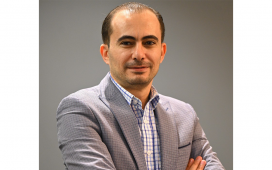
Edmond Bouez, Chief Revenue Officer, Rotana Signs.
Q: Looking back at more than 17 years of experience in the media and marketing industry, what are the key junctures that defined your journey and led you to becoming the leader at Rotana Signs that you are today?
Edmond Bouez: Looking back, I cannot pinpoint just one or two defining moments. My leadership has really been shaped by the many challenges, lessons and opportunities I had along the way. Having been fortunate enough to learn from inspiring mentors, talented team members and clients from a wide range of sectors, I also experienced many of the industry’s transformations.
From the rise of digital in the early 2000s, to the gradual move away from traditional formats, and now the exciting diversification of DOOH, each change, success and setback has strengthened my understanding of the market and ability to anticipate, strategise and deliver meaningful results.
Can you walk us through how the out-of-home media and marketing landscape in Saudi Arabia has evolved, and the crucial role that digital out of home (DOOH) plays to unlock new opportunities for advertisers?
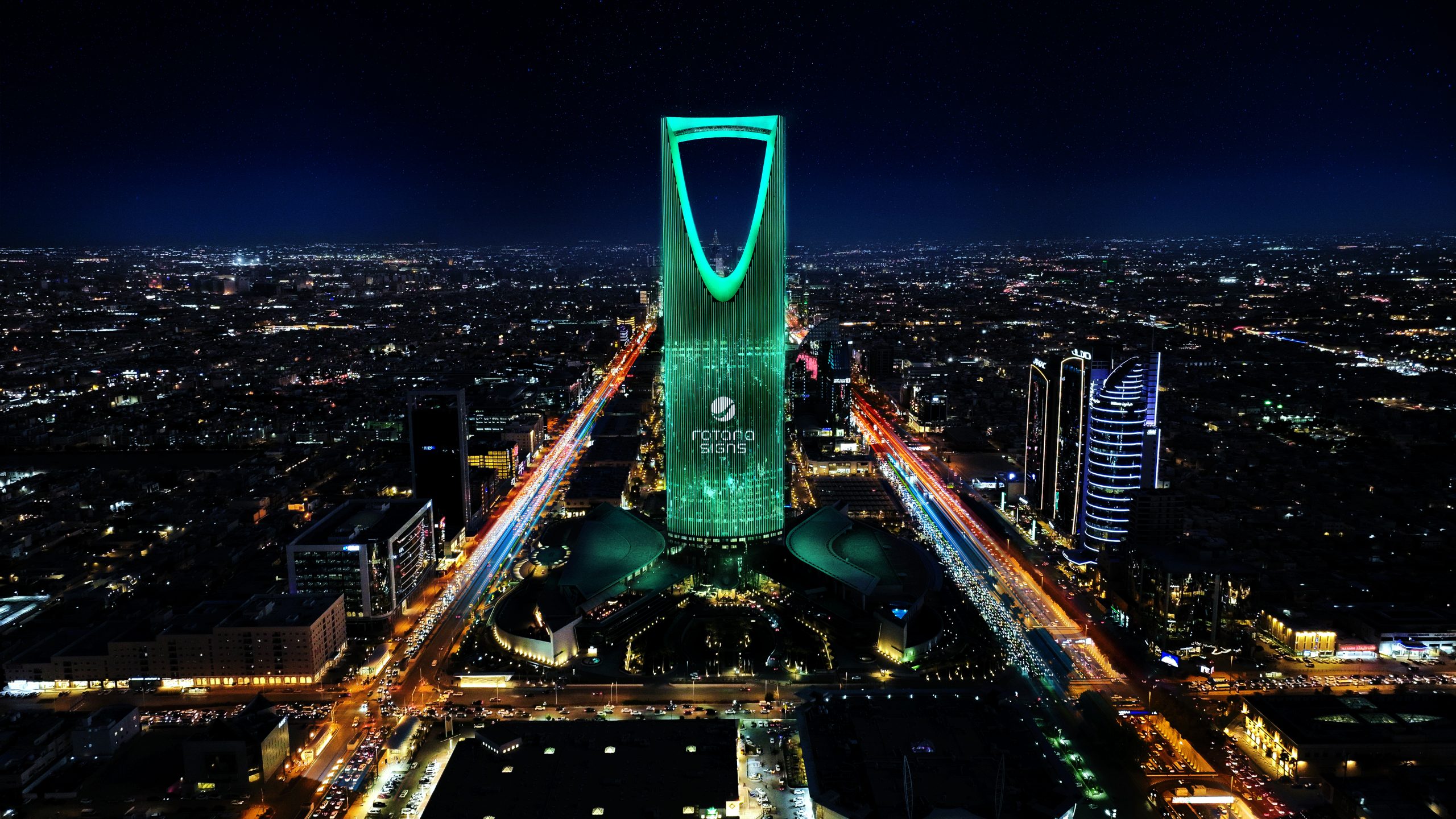
Those who have been in the industry long enough know that the transformation of the out-of-home (OOH) landscape in Saudi Arabia has been extraordinary. What began with limited static formats has progressed into widespread digitisation, the introduction of large formats such as Digital Bridges, and most recently some of the region’s most iconic building facades, including Kingdom Tower and Burj Rafal.
This evolution has paved the way for iconic products, and elevated client service and approaches, such as those provided by Rotana Signs. By introducing impactful large-scale formats, an expanding variety of touchpoints and an integrated team, we strive to meet current and future communication needs.
As for DOOH, it has expanded reach, attracted new and previously inactive advertisers, enhanced creative and operational flexibility, introduced targeting, and strengthened the connection between offline presence and online engagement.
In an increasingly digital world, how has out-of-home (OOH) advertising carved a crucial spot for itself at the core a brand’s media mix? How can brands best integrate OOH with social, digital and other traditional channels to meet and connect with a consumer optimally?
OOH remains one of the few channels that offers genuine visibility and scale in a real, uncluttered environment where messages cannot be skipped or ignored.
Kingdom Tower, a novel and recognised touchpoint helped a brand’s ad achieve 77 per cent recognition in Riyadh through both live visibility and online shareability. It demonstrated how a strong physical presence can spark digital conversations and extend reach far beyond the location itself. This coupled with consumer sentiment that 87 per cent of audiences feel OOH keeps them informed, while 78 per cent view its advertisers as trustworthy places OOH media in unique position.
Overall, a brand’s media mix, once thoughtfully planned will show that OOH fundamentally delivers on mass awareness, helping enlarge the audience pool and provide digital channels a heightened opportunity to engage with targeted and contextually relevant content. Together, they create the needed parameters to successfully achieve an enhanced level of presence that can break through the cluttered advertising space we experience.
Are there emerging trends or lessons from your recent wins and successes that you believe will fundamentally change the way leaders approach marketing and advertising soon?
There are many, yet regardless of when or what they are, they often lead to the same conclusion: Leaders should not fear the unknown or the concept of change but rather embrace it.
Our market will continue to be subjected to increasingly complex challenges, new technologies, and shifts in consumer behaviour. To succeed, leaders must stay curious, remain attuned to the changing landscape, be willing to try and fail, and be comfortable stepping outside their comfort zone.
Letting go of what worked in the past can be difficult, but adopting agility in all its forms enables the development of approaches that best serve the communication needs of the brands they represent.