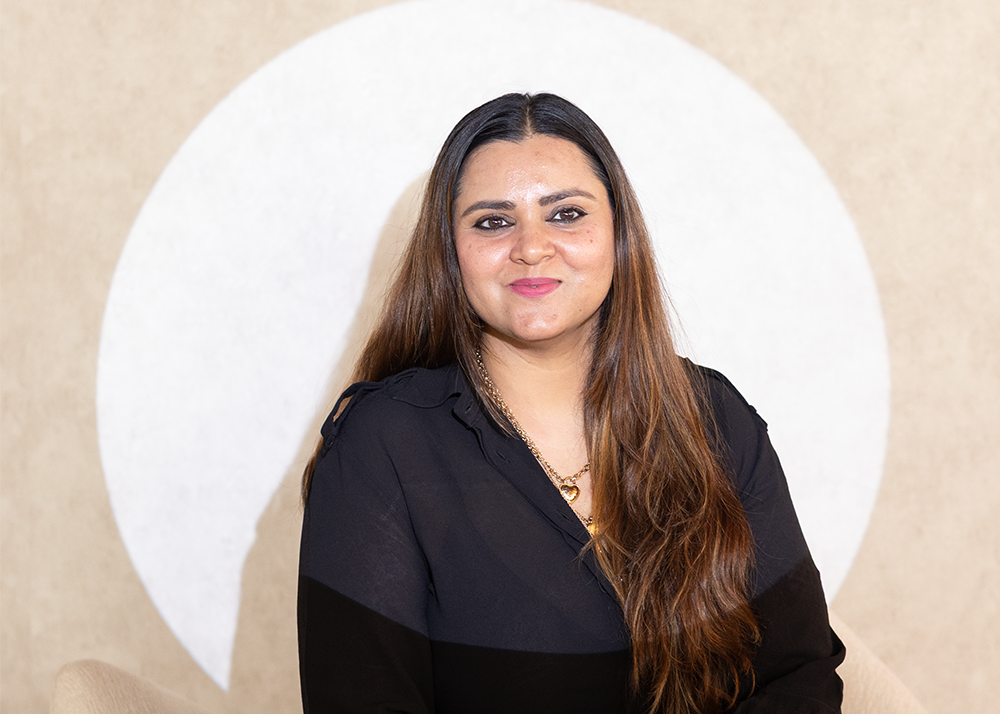
 Radhika Banta, Head of Strategy, Publsh Group
Dubai has a way of speeding things up. Ideas move fast here, and so do ambitions. It’s part of what makes being a brand in this market so electric.
Brands are born overnight, trends catch fire in days, and audiences expect something new before the last campaign has even wrapped. It’s a thrilling kind of pressure that rewards courage and creativity in equal measure. But amid the rush to stay visible, something interesting is happening. The brands that people actually remember – the ones that find their way into conversation without prompting – are slowing down. They’ve traded the chase for clarity.
This isn’t about being ‘minimalist’ for the sake of it. It’s about brands that know who they are, truly, and let every image, word, and action reflect that. It’s easy to recognise but hard to sustain, especially in a region built on optimism and momentum. Yet that’s precisely why it works. In a sea of noise, clarity feels like confidence.
Think of SQUATWOLF, the much-loved UAE-born fitness brand that now feels global in every sense. It didn’t get there by shouting louder than competitors, but by owning a point of view with total conviction. Nothing about its tone feels accidental. Every message signals a specific mindset – that unmistakable SQUATWOLF attitude.
FIX Dessert Chocolatier achieved the same resonance. It built a moment, not through media blitzes or celebrity endorsement, but through a story so intuitive it spread on its own. And Careem, long before it became a super app, turned regional pride into a movement. It wasn’t just selling budget rides; it was selling belonging. That’s what clarity sounds like when it travels.
Across the region, I’m starting to see this pattern everywhere: brand clarity outperforms volume.
The speed of communication today can be brutal. Stories go viral, peak, and vanish in hours. Most brands react by producing more content in a desperate bid to stay in the feed. But constant presence isn’t the same as consistent meaning. Modern audiences can tell when a message drifts or when a brand is reacting instead of leading – and once clarity slips, trust inevitably follows.
According to Edelman’s 2025 Trust Barometer, 87 per cent of people in the UAE trust the brands they use – among the highest levels globally – but that trust now demands proof, not promises. Consumers expect brands to act with clarity in moments of cultural, social, and technological change. It’s not enough to be visible; you have to be believable.
That’s where narrative discipline comes in as a business function. It protects equity, even when the environment changes. The principle is simple: define your purpose, prove it through consistent behaviour, and make sure every expression reinforces it. The repetition builds recognition; recognition builds credibility.
Consistency doesn’t mean monotony; it means coherence.
Patagonia is the reference case. Its decades-long focus on environmental responsibility has made every decisive act feel inevitable – like when it transferred ownership to a trust fighting climate change. People didn’t call it marketing; they called it integrity.
Here’s the paradox of the AI age: the more content technology can produce, the more human conviction will matter. AI can accelerate creation, but it can’t decide what a brand stands for. It doesn’t understand values. In an oversaturated landscape, algorithms amplify everything, but audiences are learning to filter noise and follow only signals they trust.
That’s good news for Dubai and the wider region. This is a market shaped by ambition, diversity, and possibility – where creativity meets velocity. The brands that thrive here will be the ones that pair speed with sense-making, energy with evidence.
The next generation of standout brands from the UAE won’t win because they shout. They’ll win because they know themselves. They’ll operate with intention, coherence, and credibility in a global marketplace that’s tired of empty noise.
By Radhika Banta, Head of Strategy, Publsh Group.