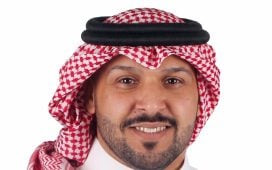
Carlo Nakhle, Business Director, Havas Life Middle East
Across developed markets, more than nine in ten adults have heard of GLP-1. In the GCC, awareness has accelerated even faster, driven by high social-media penetration, rapid adoption of new health trends, and a regional openness to innovation.
That single dynamic tells us something important. GLP-1 is no longer a niche medical breakthrough. It is a mainstream cultural force.
When a prescription therapy reaches this level of visibility, it no longer lives only in clinics, conferences, and guidelines. It moves into social feeds, majlis conversations, family WhatsApp groups, fitness studios, and everyday lifestyle choices. It reshapes how people think about their bodies, their health, and their future.
This is why GLP-1 now matters far beyond healthcare, particularly in the Middle East.
Here, we are not just witnessing a medical shift. We are witnessing a behavioural one, layered on top of a region already undergoing rapid social, economic, and cultural transformation.
That creates extraordinary opportunity. And with it, responsibility.
When GLP-1 awareness becomes the gateway to a healthier future
In the GCC, many people are encountering GLP-1 for the first time not in clinics, but through conversations, content, and shared experiences.
That is not a weakness. It is a reflection of a region that is digitally fluent, socially connected, and open to new ideas. Health here is no longer something that only lives in institutions. It lives in culture. It is discussed, debated, and shaped in public.
This creates a powerful opportunity. Because when awareness is guided into understanding, it becomes agency. And when people have agency, they do not just consume healthcare. They participate in it.
A region ready to lead, not follow
The Middle East is not simply adopting global health trends. It is increasingly shaping them.
Across the region, governments are investing in prevention, longevity, and wellbeing as strategic priorities. Health is moving upstream, from treatment to prevention, from hospitals to communities, from illness management to life design.
Pharma is evolving alongside this shift, bringing not only innovation, but education, partnerships, and long-term system thinking. And agencies are evolving too, not as amplifiers of messages, but as designers of meaning, helping science become culturally relevant, emotionally resonant, and socially useful.
This convergence is rare.
It creates the conditions for something new. A health ecosystem where policy, science, and culture are not separate domains, but interconnected forces shaping the same future.
From medical innovation to societal transformation
GLP-1 is part of a broader transformation, one where health is no longer reactive, episodic, or siloed, but proactive, continuous, and integrated into everyday life.
In this future, obesity is understood as a medical condition, not a moral one. Treatment is not a single intervention, but a journey. Technology supports care. Data supports insight. And people are supported not just to lose weight, but to live better, longer, healthier lives.
This is not just a shift in medicine. It is a shift in mindset.
Why the future of GLP-1 is being built together
GLP-1 is already helping to open new conversations about prevention, metabolic health, and long-term wellbeing across the region.
The opportunity now is to move from conversation to coordination.
To align government ambition, scientific innovation, and cultural influence around a shared goal. Healthier people, healthier societies, and a more sustainable health system.
This responsibility does not sit with one sector. It is collective. And that is precisely what makes it powerful.
Because when we shape the future of health together, deliberately, thoughtfully, and with care, we do more than manage change.
We design it. And that is the kind of future worth building.
By Carlo Nakhle, Business Director, HAVAS Life Middle East