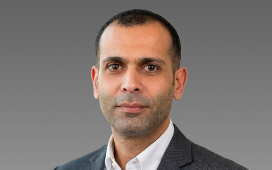
Anup Oommen, Editor, Campaign Middle East.
Luxury marketing in the Middle East has no more room for translated tales that have travelled in. This is no longer a market for loud launches or polished and performative campaigns.
The diverse consumers in this region would rather not tolerate adapted localisation or cultural appropriation as a seasonal marketing tactic. Curated calendars and costly content creators don’t make the cut anymore.
Brands that are winning in the regional luxury marketing landscape are those listening harder and leaning into cultural intelligence. They are designing for the region and from the region.
They are delivering exclusive experiences and seamless services – proactively and consistently at every offline and online touchpoint – without beating the drum about the complexity that this requires.
Several leaders contributing to this annual luxury issue describe how the narrative has changed: the region is neither a late stop on a global journey, nor does it represent one homogenous audience with similar appetites. Each city in the region proudly owns its social temperature.
Each buyer is discerning and can spot a borrowed gesture on a billboard from a mile away. The messages from marketers to the luxury landscape are blunt: Stop treating regional nuance as an accessory.
Culture is not a garnish placed on a global plate; it is the recipe. Heritage is not enough to land a brand; the experience also needs to match or outperform the brand promise.
Luxury brands must spark aspiration, desire, a sense of mystery and a feeling that the consumer is cared for without even having to ask for it.
The most important moves are often the silent, invisible ones – such as remembering service history, offering product recommendations, preparing appointments proactively, seamless after-sales support, and private and personalised invitations based on individual preferences and purchase history.
The brands doing it right are those that can remove friction and make each consumer feel like the most loved child in the family, without making them feel tracked, monitored, influenced or unsafe.
In this magazine, marketers share a message for brands: memory is harder to buy than exposure. For agencies, the gauntlet has been thrown: stop dressing the same idea in richer fabrics and calling it premium.
Distinction requires clients willing to hold the line on brand codes while partners challenge soft consensus. Good work is not decoration; it is discipline under pressure.
This edition is not as much a celebration of luxury marketing as it is a mirror held up to it. The Middle East has the ambition, audiences, capital and cultural confidence to shape what comes next.
But brands that want to shape the future of luxury marketing will need to serve better, speak with purpose and choose sense over spectacle.