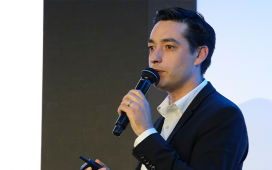
 Shamim Kassibawi – Head of Communications at Spread Communications & Partner at The SMC Group.
Let’s be honest, brand budgets aren’t what they used to be. But attention? Attention has never been more available.
What’s changed is how we use what we have. Every dirham now needs to work harder, travel further, and deliver more than just impressions. It needs to build relevance.
The brands winning today aren’t the ones spending the most. They’re the ones thinking differently about where culture is being created, and how to insert themselves into it. They reach consumers through moments, not just media.
While budgets tighten, three things haven’t slowed down: content production, entertainment, and influence. Shows are still being filmed. Music videos are still being produced. Creators are posting daily. Culture is moving, with or without your media spend, events and campaigns.
The question is simple: is your brand part of it?
After nearly two decades of building brands across different market cycles, one thing remains constant, the most impactful campaigns are rarely the most expensive, they’re the most connected.
Here are six ideas to execute high-impact campaigns without the high budgets:
1. Exciting your existing customers
In uncertain markets, your existing audience is not just valuable, it’s powerful.
Your database is your frontline and often your most overlooked asset. Before looking externally, activate what you already have. Your customers are not just buyers; they are distribution channels, content creators, and advocates.
Small, thoughtful moments’ drive disproportionate impact. A personalised touchpoint. A handwritten note. A simple gesture that makes someone feel seen. These are the moments that turn into shares, stories, and organic reach.
Bring your audience closer. Build WhatsApp communities. Use newsletters to create belonging, not just communication.
Owned channels consistently outperform paid media in times like these, because they’re built on trust, not targeting.
2. Home grown culture events and brands – from spending into partnering
Anything that gives back to the community and brings people together will never be forgotten. While many brands continue chasing scale, the smartest ones are doubling down on community.
From mum groups to founder networks, niche audiences hold more influence than broad targeting ever will. These are spaces where trust already exists, and trust converts. Create environments where your audience feels involved, not targeted. When budgets shrink, community becomes your most effective media channel.
One of the biggest mindsets shifts today is moving from spending to partnering. Not every opportunity requires budget, it requires alignment.
Look at your ecosystem. Who shares your audience? Who can you collaborate with? What can you build together? Co-create content. Host meaningful, low-lift experiences. Show up in ways that add value. The most effective campaigns today are built through collaboration, not just media buying.
3. PR beyond coverage
Connect and engage with journalists online. Add value. Build relationships. Then amplify your coverage across your own channels to extend its impact. Because if you’re not shaping your story, something else will.
Traditional PR still has its place. But today, it has very much evolved, visibility isn’t just about being featured, it’s about being embedded in the right places.
We are operating in a landscape where AI tools like ChatGPT are shaping how brands are discovered and understood. It is even becoming a new business lead for some brands.
If your brand isn’t appearing in credible publications, you’re not contributing to the narrative being built about you online.
PR today is not just storytelling, it’s long-term positioning.
4. Creators are the new media engine
If you can’t go for the billboards on the road, then try the online screens that everyone is holding. Most brands still approach influencers as a posting channel. That mindset is outdated.
Creators today are production houses with built-in audiences. They don’t just distribute content, they create it, shape it, and make it relevant.
The better question is not “how many posts?” but:
- Can they build a concept around your brand?
- Can they integrate you naturally into their content?
Long-term creator partnerships consistently outperform one-off campaigns. Because the real ROI isn’t reach, it’s relevance.
5. Licensing as a brand growth lever
This is one of the most underutilised opportunities in marketing today. Music, film, and content rights are no longer reserved for global brands with large budgets. The landscape has shifted.
The rise of catalogue acquisitions, where intellectual property is bought and managed as a long-term asset is reshaping how culture is commercialised. Firms backed by capital, are actively acquiring music rights and optimising them for ongoing monetisation.
For brands, this creates a new kind of access.
You can tap into existing cultural moments, align with recognised music, and connect with established fan bases without building everything from scratch. The smartest brands aren’t creating culture from zero. They’re borrowing it strategically.
6. Plug into what’s already happening
Content is being created constantly, the gap is that most brands aren’t part of it. Every week, new songs are released, new series are filmed, and new influencer campaigns are launched. Opportunities already exist within these ecosystems.
This could mean product placement, creator integration, or aligning with cultural moments already in motion.
The approach has evolved. It’s no longer about visibility in the background; it’s about meaningful integration.
Across the GCC, productions are actively looking for brand partners. These opportunities don’t always require large budgets; they require the right conversations. If your brand isn’t where people are watching, listening, or scrolling, you’re already behind.
The best campaigns don’t interrupt culture. They move with it. Brand building hasn’t become harder, it’s become more creative with so many more options and roads you can take, the world is your oyster. The playbook has changed.
Media spend is no longer the advantage. Access is. Access to creators. Access to content. Access to culture. The brands that understand how to move within that ecosystem will be the ones that stay visible, regardless of budget.
Because in today’s landscape, the most powerful campaigns aren’t bought. They’re built through proximity to culture.
By Shamim Kassibawi, Head of Communications at Spread Communications & Partner at The SMC Group.