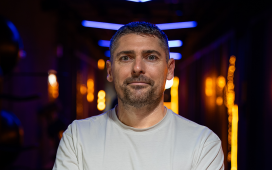
Sagar Rege, Director, Liwa Content.Driven
Every technological shift forces the same question: Not “what can it do?” but “why are we using it?” In 2026, artificial intelligence (AI) has firmly embedded itself in the creative process. It writes, edits, animates, generates, versions and localises content at a speed the industry once dreamed of. Tasks that once took weeks now take minutes. Entire campaigns can be spun up before a meeting ends.
And yet, something feels off. Not because the work looks bad – but because much of it feels empty. This is the paradox of AI in creativity – the tools are improving faster than our thinking.
For years, effort acted as a filter. You couldn’t make something unless you cared enough to spend the time, money and energy to bring it to life. Friction forced decisions. Constraints demanded intention. You had to choose what mattered, because you couldn’t afford to do everything.
Today, that filter is gone. The cost of creation has collapsed, and with it, the discipline that once forced clarity. When everything is possible, very little is meaningful.
We are now surrounded by what is increasingly called AI slop – content that looks finished but isn’t formed. It follows the rules. It hits the beats. It mimics taste without possessing any. It fills space, not purpose. It exists because it can, not because it should.
But the real danger isn’t that machines are making it. The danger is that humans are approving it. AI slop is what happens when speed replaces belief.
The creative industry has always confused activity with impact. AI has amplified that confusion. We can now generate 10 ideas where we once made one. We can test, tweak, optimise and version endlessly.
But 10 ideas don’t equal one strong conviction. In fact, abundance often weakens decision-making. When everything is easy, nothing feels worth fighting for. Choices become optional. Opinions become negotiable. Everything is reversible, so nothing is committed.
Here’s the uncomfortable truth: AI hasn’t changed creativity. It has exposed it.
It has exposed how often we rely on polish instead of point of view. How frequently we hide behind execution to avoid making a choice. How comfortable we’ve become delivering work that offends no one and moves no one.
In this environment, the most important creative skill is not the use of AI, but knowing when and why it shouldn’t be used.
When should an edit stay imperfect? When should a frame breathe instead of impress? When should silence say more than spectacle? These are not technical questions. They are human ones.
At Liwa Content.Driven, we’ve learned that AI is most powerful when it sits downstream of thinking, not upstream of it. When the intent is clear, AI can remove friction, speed up execution and open up new visual possibilities. It can help ideas travel further and faster.
But when the intent is vague, AI doesn’t solve the problem – it accelerates it. It simply produces faster confusion. AI doesn’t give you a point of view. It demands one.
Clients may not articulate this yet, but they feel it. They can sense when something was generated versus authored. When work is assembled instead of believed. When craft replaces courage. In a world drowning in content, intention becomes the rarest commodity. And rarity, not novelty, is what creates value.
This shift is also redefining originality. Originality is no longer about being first. Machines have already taken that from us. They can replicate styles, remix references and outpace production endlessly.
Originality in 2026 is about resonance. About saying something familiar in a way that feels deeply personal. About making people feel understood, not impressed. About creating work that lingers instead of scrolls away.
That doesn’t come from prompts. It comes from lived experience. From judgement. From taste. From courage.
The agencies that will survive this moment will not be the ones with the best AI workflows. They will be the ones with the strongest beliefs. The ones willing to say no – to clients, to trends, to the temptation of easy output. The ones who understand that technology should serve meaning, not replace it.
AI will continue to get better. That’s inevitable. The real question is whether we will. Because in 2026, creativity doesn’t disappear. It polarises. Because in an era when creation is effortless, meaning becomes a choice – and the courage to choose is what defines us.
There will be content made because it can be made. And content made because it needs to be made. Our responsibility is to know the difference. And act accordingly.
By Sagar Rege, Director, Liwa Content.Driven