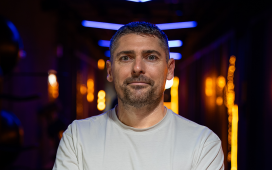
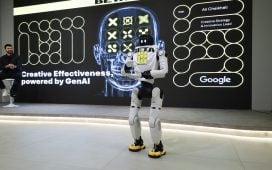
H.E. Saood Abdulaziz Al Hosani, Undersecretary of DCT addresses the audience at Publicis Groupe Middle East's The Majlis of Possible.
 At The Majlis of Possible in Abu Dhabi, hosted by Publicis Groupe Middle East on 12 February at Louvre Abu Dhabi, executives from G42, Publicis Sapient, Microsoft, Snapchat, Nestlé, Amazon Ads and Adobe joined senior policymakers to debate what the next phase of AI and economic transformation in the region will require.
The forum opened with remarks from H.E. Saood Abdulaziz Al Hosani, Undersecretary of the Department of Culture and Tourism, who positioned Abu Dhabi as a crossroads for dialogue and innovation. Following this, H.E. Nicolas Niemtchinow, France’s Ambassador to the UAE, highlighted the strength of France-UAE relations and Publicis Groupe’s role within that broader ecosystem.
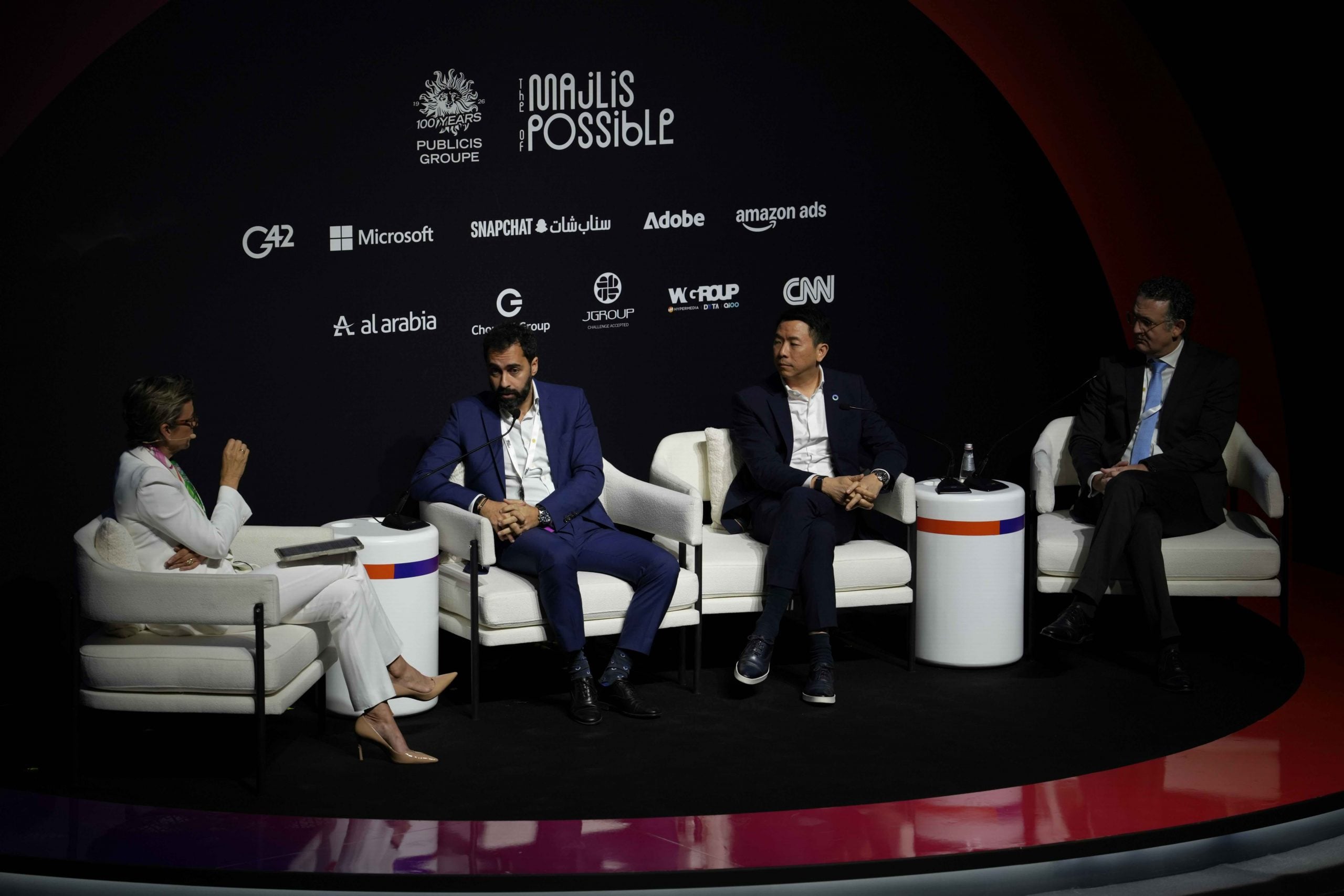
The Majlis’ headline artificial intelligence (AI) session brought together H.E. Mansoor Al Mansoori, Nigel Vaz, Global CEO of Publicis Sapient, and Samer Abu-Ltaif, President of Microsoft Middle East and Africa, moderated by Becky Anderson.
The leadership panel moved beyond abstract enthusiasm for AI into the harder question of institutional readiness, how governments and enterprises structure themselves to deploy intelligence systems responsibly and at scale.
Putting AI workflows into practise
Panellists agreed that access to advanced models is no longer the differentiator. Execution is.
Al Mansoori drew a distinction that ran through the discussion: enterprise AI and consumer AI are fundamentally different propositions. Deploying tools is straightforward; embedding AI into decision-making systems, governance frameworks and cross-institution workflows is not. AI, he argued, amplifies existing strengths and weaknesses. Where data foundations and operating structures are robust, it compounds value. Where they are fragmented, it exposes gaps.
Vaz framed the shift already under way in boardrooms. The debate has moved from ‘what is AI?’ to ‘how does it create measurable value?’ To him, the challenge is less about capability and more about alignment, aligning infrastructure, incentives and institutional culture with the ambition leaders are expressing.
Adding to the discussion, Abu-Ltaif drew in a dimension particularly relevant in the Gulf: trust and sovereignty. As organisations deepen their reliance on AI systems, clarity around governance, data boundaries and regulatory compliance becomes central. Building institutional muscle, operating models, controls and partnerships, is as critical as upskilling individuals.
The wider lens at The Majlis of Possible
The AI conversation sat within a broader agenda a The Majlis of Possible that extended beyond technology. A second session under the ‘Economy of the Possible’ banner examined economic resilience in an environment shaped by inflationary pressures, geopolitical uncertainty and evolving consumer behaviour. Leaders spoke of intelligence infrastructure not simply as a technology investment, but as a competitiveness imperative, a way to connect data, decision-making and coordinated action across sectors.
Other panels moved across domains including luxury, retail, and sport, exploring how leadership, culture and ecosystem thinking are reshaping growth strategies. The through-line was consistent: transformation is increasingly systemic. It depends on partnerships between government, global platforms and enterprises rather than isolated innovation within single organisations.
As the sessions concluded, discussions remained focused on systems, governance and leadership rather than short-term experimentation, reflecting a broader shift towards institutional implementation.