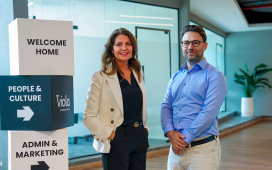
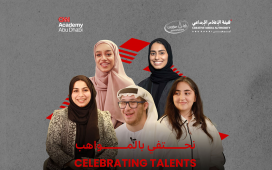
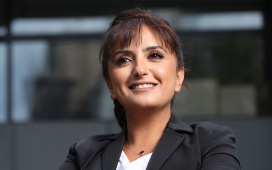
From top left, clockwise, Noor El Zeinni, Global Marketing Strategist, aramco; Reema Al Shammasi, Vice President, Marketing and Communications – West Arabia, Mastercard – Eastern Europe, Middle East and Africa (EEMEA); Suad Merchant, Chief Marketing Officer,
GEMS Education; Gita Ghaemmaghami, Leader – Communications and PR, LIXIL IMEA; Helena Sarkis, Media Manager, Fusion5; Loma Jaber, Managing Director, Hewar Group; Reham Nader Mufleh, Managing Director, Horizon FCB; and Nicola Porter, Executive Editor, Bloomberg Media Studios.
From top left, clockwise, Noor El Zeinni, Global Marketing Strategist, aramco; Reema Al Shammasi, Vice President, Marketing and Communications – West Arabia, Mastercard – Eastern Europe, Middle East and Africa (EEMEA); Suad Merchant, Chief Marketing Officer,
GEMS Education; Gita Ghaemmaghami, Leader – Communications and PR, LIXIL IMEA; Helena Sarkis, Media Manager, Fusion5; Loma Jaber, Managing Director, Hewar Group; Reham Nader Mufleh, Managing Director, Horizon FCB; and Nicola Porter, Executive Editor, Bloomberg Media Studios. It’s time for a reality check. Leaders in the industry are requesting honesty and authenticity; so, there’s no room to mince words. From a bird’s eye view, how does the Middle East advertising industry’s implementation of diversity, equity and inclusion (DEI) weigh up against its goals?
Sure, we hear – time and again – about how the industry has travelled miles in the right direction and moved mountains, but this is not meant to be a progress report of past laurels. Instead, it’s meant to be an empirical and qualitative performance review on the state of the market – to use a buzzword: in ‘real-time’ – compared with companies’ DEI claims in the present and their objectives for the near future.
Several leaders have had their say, and here’s the consensus: Diversity? Check* – and we’ll get to the asterisk in a second. However, inclusion and equity face a huge say-do gap.
At the outset, ‘representation’ has won several long-coveted awards but looks uncomfortable under the spotlight. Most brands and advertising agencies in the region are proud to present statistics of diversity within their respective companies – whether that’s in terms of gender, age, beliefs, language, nationalities or culture. However, deeper dives into organisational structures, workflows, allocation of responsibilities, perceptions and prevailing prejudices reveal that several challenges still need to be addressed.
*Diversity has won, but does its trophy sit in a corner? How much diversity do we see when we climb up the ladder or take a walk across functionally siloed desks and departments? How does diversity hold up when questioned about ‘overcorrection’ or it being merely an ‘optics’ exercise? Does diversity have a voice in weekly meetings or monthly town halls and, if so, does it need to be loud and emphatic to be heard?
Does diversity get asked about ‘work-life balance’ on panel discussions while others get the more serious ‘business transformation’ and ‘creative strategies’ questions? Is diversity trusted to deliver on an ‘important’ job description or is supervision for diversity a default setting? Is diversity an instinctive and proactive choice or a reactive afterthought in a campaign?
It’s these questions, among others, that are now driving the conversation from diversity on paper to inclusion and equity in practice.
Representation – and resulting revenues
First, let’s applaud the win for representation at the highest levels – led by publicly listed companies accountable to their shareholders, and closely followed by the privately-owned advertising ecosystem.
As of January 2025, women’s representation on the boards of listed public joint-stock companies in the UAE has witnessed a 200 per cent increase compared with the past three years, according to the Securities and Commodities Authority – signalling a nation-wide shift.
Concurring with these findings, Heriot-Watt University’s and Aurora50’s GCC Board Gender Index Report 2025, released in January 2025, highlights that the percentage of board positions held by women at publicly listed companies across the GCC region – including in the UAE, Saudi Arabia, Bahrain, Oman, Kuwait and Qatar – has significantly increased.
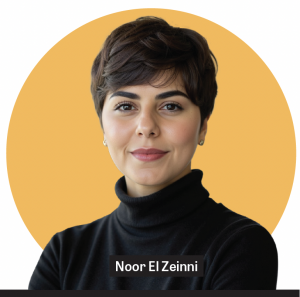 Noor El Zeinni, Global Marketing Strategist, aramco, says, “I have witnessed first-hand how the conversation around women in the workforce in Saudi Arabia has shifted from permission to performance. We’re no longer just present, we’re making decisions and proving value.”
Saudi Arabia is already 5 per cent ahead of its 2030 target to bring women’s participation in the workforce to 30 per cent and is on track to exceed that by another 5 per cent to hit 40 per cent participation of women in the workforce by 2030. In Egypt, women currently hold more than 23 per cent of board seats within listed companies and financial institutions, according to the National Council for Women (NCW), progressing steadily towards the nation’s target of 30 per cent by 2030.
Looking specifically at the regional advertising industry, the case for representation has been catalysed by the growing focus on return on investment (ROI).
Diversity – More than a check box?
The industry has begun to experience the business benefits of shifting from viewing DEI as a ‘nice to have’ ethical discussion to a strategic investment. Yet, leaders in the industry share differing opinions on whether DEI has gone beyond a check box.

Helena Sarkis, Media Manager, Fusion5, says, “DEI is no longer a check box in the UAE; it is moving the profit and loss statement (P&L). Women now hold almost 15 per cent of board seats in listed firms and companies. This broadened leadership diversity leads to higher profits and lowers staff turnover because varied perspectives catch blind spots and solve problems faster. Over the past year, meaningful shifts, government pressure and public expectations have shifted DEI from compliance to a competitive edge.”
But, Dana Sarkis, General Manager, OMG Consulting, shares a different opinion, agreeing that DEI is a driver of profitability while disagreeing on DEI being viewed as more than a check box.

She says, “While many major organisations in the region have begun mandating DEI-related initiatives, these efforts often remain surface-level, more about ticking boxes than driving real change. DEI shouldn’t be treated as a compliance exercise. It must be institutionalised as part of the organisation’s strategic DNA, embedded across leadership, culture and operations, because it’s not just a moral imperative; it’s a driver of profitability and innovation. Organisations that truly understand this, or at least have the vision for it, recognise that diverse talents – across cultures, backgrounds and ways of thinking – lead to healthier debate, more creative problem-solving and a more holistic approach to growth and business development.”
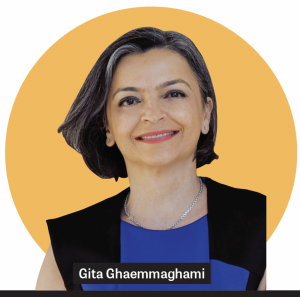
Gita Ghaemmaghami, Leader – Communications and PR, LIXIL IMEA, shares a more moderate view: “While some still approach DEI as a checkbox, many have made it measurable and meaningful, linking diversity goals to key performance indicators (KPIs), customer relevance and long-term growth. The shift is visible, though consistency remains key.”
She agrees that “DEI has evolved from a moral imperative to a business advantage. Over the past year, we have seen more than symbolic gestures – organisations that embed DEI into hiring, leadership pipelines and product development process report stronger employee engagement, innovation and brand equity.”
A commonly quoted survey of more than 300 brands by The Unstereotype Alliance supports the notion that DEI has a direct impact on business outcomes. The study finds that advertisements that are inclusive drive short-term sales up by 5 per cent, long-term sales up by 16 per cent, and have a 62 per cent higher likelihood of becoming the customer’s first choice.
“It’s nothing new that gender diverse teams outperform others on profitability by 25 per cent,” says aramco’s Zeinni.
She adds, “In an industry that is increasingly compelled to justify spend through tangible business returns, our presence has never been more valuable. Women bring qualities such as emotional intelligence, empathy and perspective shifting, which are necessary traits to help improve consumer connection and overall creative outcome.”
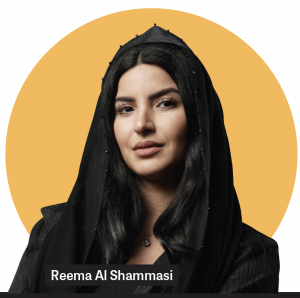
Building on the conversation, Reema Al Shammasi, Vice President, Marketing and Communications – West Arabia, Mastercard – Eastern Europe, Middle East and Africa (EEMEA), says, “The shift is real – especially when DEI is treated as a strategic imperative rather than a side initiative. Over the past year, organisations with mature DEI strategies have reported stronger innovation, agility and brand perception. I have noticed that DEI efforts that include transparent people practices, inclusive hiring and equitable talent development have led to measurable improvements in employee engagement and retention.”
Does DEI drive strategy?
Leaders also add that DEI shouldn’t merely ‘add’ to strategy but must compel how a business thinks from the get-go. This means flipping the script on ‘strategy that includes inclusion’.
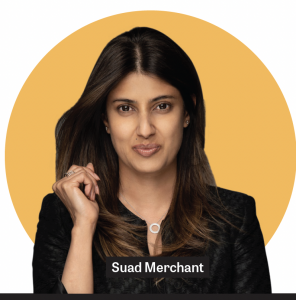 Suad Merchant, Chief Marketing Officer, GEMS Education, says, “Real impact happens when inclusion drives strategy, not the other way around. Organisations that get this right see stronger employee engagement, lasting customer connection and better bottom-line results. Organisations should stop counting how many people are hired and start measuring how different perspectives shape decisions. The most successful organisations aren’t just hiring differently; they’re making smarter choices because of it.”
But, as the adage goes, you can’t improve what you don’t measure.
Fusion5’s Sarkis says, “DEI must own its seat on the dashboard. It’s about understanding that authentic representation drives brand affinity, engagement and revenue.”
“Start with building briefs on data that reveal cultural nuance, then staff the room with creators who live those stories. Then, track ‘inclusion reach’, measuring effectiveness beyond cost per thousand impressions (CPMs) and click through rates (CTRs). Above all, we need to treat DEI as a long-term discipline embedded in strategy and supported by ongoing training,” she adds.
‘Give people the chance to see themselves differently’
In a market largely focused on margins, revenue streams and profits, leaders also call for brands and agencies to look beyond business outcomes to also drive social change.
LIXIL IMEA’s Ghaemmaghami says, “Amid margin pressures, authentic DEI storytelling remains a differentiator. It requires listening to marginalised groups, hiring diversely and aligning creative with societal shifts. A great campaign should spark conversation, challenge norms, and connect with humanity, not just convert impressions to clicks.”
Mastercard EEMEA’s Al Shammasi adds, “To move the needle, we must shift from tokenism to authenticity; align campaigns with social initiatives such as youth empowerment or digital inclusion; and measure impact beyond impressions – look at sentiment, behavioural change and community engagement.”
Challenging prevalent prejudices and stereotypes of diversity
Leaders agree that the time has come to go beyond performative storytelling and everyday clichés and steer real-world impact by leaning into lived experiences.
They opine that advertising campaigns must inspire positive and purpose-led DEI shifts within societies – but add that this begins with ensuring that DEI within organisations is empowered to be effective.

“Every campaign can either reinforce or challenge stereotypes, which is why our teams must reflect the diverse communities and audiences we speak to,” says Nicola Porter, Executive Editor, Bloomberg Media Studios. “Advertising and media don’t just reflect culture; they are powerful architects of it. As cultural stewards, our responsibility goes beyond storytelling and marketing; we can influence how people see themselves and others within their communities. This influence carries responsibility.”
Porter adds, “Creative ideation thrives on diversity as different lived experiences will challenge assumptions and unconscious biases, sparking new ideas. However, to create meaningful stories grounded in cultural truth, we must make inclusivity central to both our processes and our purpose.”
OMG Consulting’s Dana Sarkis shares a personal story as a consumer and as a leader in the advertising space: “Growing up, I remember being exposed to ads and television shows that, while widely accepted at the time, were deeply rooted in racism and harmful stereotypes. These portrayals subtly but powerfully normalised the absence of diversity, equity and inclusion. Today, working in one of the world’s most influential industries, we carry both a responsibility and an obligation as media and communications professionals to shape a more inclusive narrative; one that will influence our children and generations to come.”
Sarkis goes on to make the case for advertisers and agencies to spotlight the beauty of cultural diversity, celebrate the genius of artists, blend genres and identities, and create content that resonates with
and represents the richness of our multicultural societies.
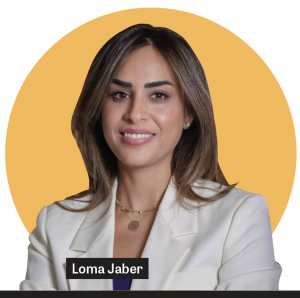
Loma Jaber, Managing Director, Hewar Group, adds, “To shift DEI meaningfully, social intelligence must be built into the foundations. This means involving the right voices early on and prioritising social context and representation to drive social change.”
Don’t just mirror culture – also shape it
That said, leaders also call for the brand and marketing industry to go the extra mile – to do more than mirror diversity in society and, instead, to amplify it. This requires going beyond omnichannel campaigns, multisensory engagements, influencer partnerships and current lived experiences to inspiring and influencing change –envisioning communities and societies as they ought to be.
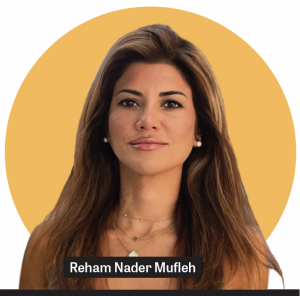
Reham Nader Mufleh, Managing Director, Horizon FCB, says, “We have the responsibility not just to reflect culture, but also to affect it. In every society, there are underrepresented and often overlooked communities. Culture is created and driven by those under-represented or marginalised groups that are on the fringe. By inviting these individuals to share their real, authentic stories, acknowledging their contributions or hardships, and offering meaningful support, brands and services can connect to the future of culture in a real way. Even small actions can get us closer to changing outdated perceptions and biases against certain groups, which will lead to significant impact for entire communities.”
Echoing these thoughts, GEMS Education’s Merchant says, “Great marketing doesn’t just mirror the world; it shapes it. The brands making real impact aren’t following trends; they’re creating them. The idea isn’t to represent and reflect everyone; it’s about building something new. When your campaign sparks conversations instead of joining them, you’ve moved from marketing to making change.”
She adds, “The future belongs to brands bold enough to lead, not follow. Authentic storytelling cuts through noise when it comes from genuine understanding, not just data. The campaigns that matter most challenge assumptions, shift perspectives and give people permission to see themselves differently. That’s real social impact.”
Diversity, equity and inclusion diluted?
During the DEI conversation, leaders decide to pause and reflect on what DEI means for the region. They agree that the term globally has been ‘overgeneralised’ and become ‘inclusive’ to far too many causes that aren’t quite relevant in the Middle East context.
Hewar Group’s Jaber explains, “When we borrow global frameworks, we risk sidelining what matters here. In the MENA region, three core areas need consistent attention: age, gender and nationality.”
She adds, “Real progress lies in designing DEI around the workforce we have, the communities we speak to, and the cultural landscape we shape every day. Real progress lies in prioritising visible female participation in boardrooms and intentionally adapting to a multicultural talent base. These are everyday challenges rising from local dynamics.”
Leaders state that the more we bundle causes into one neat acronym, the more they obscure local priorities and the easier it becomes to forget the real challenges on the ground we need to solve.
Al Shammasi says, “In regions such as Saudi Arabia, issues such as gender equity, youth employment and digital access require tailored approaches. Bundling too many causes under one DEI umbrella can dilute focus and reduce effectiveness. Instead, we should localise DEI strategies – ensuring regional voices shape the agenda and that inclusion efforts reflect cultural and societal realities.”
Ghaemmaghami adds, “What matters in Dubai or Johannesburg differs from London or New York. One-size fits-all DEI frameworks often overlook local distinctions. For DEI to be effective, we must disaggregate the issues and engage local voices meaningfully. Global brands need to empower regional teams to address their unique challenges authentically rather than applying a homogenised DEI lens that risks being disingenuous to the realities of local audiences.”
Solving for the future of DEI
Choosing to conclude conversations on a constructive note, the final phase of the discussion delved into taking the right steps to solve for DEI – collaboratively. When ‘allyship’ was mentioned, a Lebanese proverb found its way into the chat: “One hand cannot clap.”
Leaders stated that the ‘other hand’ could either be one’s own – a boost of self-esteem and self-confidence; belong to another woman – a colleague, leader or even a mentee in an landscape where women support women; or belong to fellow, meritorious male colleagues – who partner, collaborate, unite strengths, face weaknesses together and join forces, from initial ideation to final execution.
OMG Consulting’s Sarkis says, “Every breakthrough is powered by many hands. So, let mutual respect guide every brainstorm and boardroom. Call out bias, interrupt micro-aggressions and pass the mic to underrepresented voices. We spend more hours at the agency than at home, so a psychologically safe workplace is not a perk but a prerequisite for excellence. When we look out for one another, we grow stronger; we elevate our craft, our culture, and the vibrant society we mirror.”
Porter adds, “Allyship in our industry means creating a culture that raises people up, not just when it’s convenient, but consistently. It means treating everyone with equal respect, regardless of title, background, or identity. It requires us to listen, before we speak, and to lead with empathy, not ego. If you have influence, use it with intention: open doors, challenge bias, and create space for others to shine. And above all, invest in the future. Mentor and nurture the next generation of diverse talent so that equity isn’t just an aspiration, it becomes our shared reality. Because when we lead with a strong set of values, success will follow.”
Horizon FCB’s Mufleh also calls for more women to sponsor or mention, and to be very international in partnering with organisations that share the same interests and reflect the same values. She echoes calls from several leaders to go beyond words to action that helps other young and underrepresented women.
Aramco’s Zeinni says, “The reality is that there will never be shortage of competition, but there is always more room to uplift and support. Therefore, I ask the next generation of women to keep three key things in mind: We need more generosity, so learn as much as you can but lift others as you climb and share openly; if it ever gets to a point where you are the smartest person in the room, it’s time to find another room – just don’t forget to celebrate yourself for a minute; and, finally, word of mouth travels fast – so, be someone people want to collaborate with and learn from.”
Al Shammasi adds, “My call to action is ‘Use your influence to open doors for others’. Every action counts – whether it’s advocating for inclusive casting, mentoring underrepresented talent or challenging bias in briefs. Allyship is most powerful when it’s proactive, consistent and embedded in everyday decisions.”
And that word – consistency – is met with a lot of nodding heads and agreement.
Ghaemmaghami adds, “Allyship is not a title, it’s a daily practice. To my colleagues: listen more, advocate visibly, and use your privilege to create space for others. Call out bias, share opportunities, and elevate marginalized voices not just when it’s trending, but always.”
Institutionalise DEI, embrace empathy and equity
We asked leaders: “If you could wave a magic wand to change one aspect …”
… and here’s how they responded:
Bloomberg Media’s Nicola Porter: “I’d close the gender pay gap and create fair, equal opportunities for women to thrive. Just as our campaigns should reflect diverse audiences, our teams must reflect the world we live in. Yet, globally, the gap persists, and progress in our region remains slow. This disparity perpetuates the underrepresentation of women in leadership and limits role models for future generations.”
OMG Consulting’s Dana Sarkis: “I would get top executives to treat equity as a strategic company priority with intention. That would be the only way to institutionalise it, make it an intrinsic part of the company’s constitution, get teams to collaborate and drive DEI initiatives across the board – above and beyond the HR function. This includes taking an equitable approach to partner selection, locally and globally, and inclusion in audience representation within content and ad creation, as well as recruitment and promotion.”
Horizon FCB’s Reham Nader Mufleh: “I’d see the principles of DEI embraced and elevated across the region, focusing on fostering inclusion, encouraging collaboration, investing in training and uniting diverse talent. These are the key drivers that will move us forward – building stronger, more resilient organisations and communities.”
Hewar Group’s Loma Jaber: “I would tear down functional silos dominating our workflows. Too often, teams speak the language of collaboration, but practice falls short; strategy on one side, execution on the other; broken links, circling back.”
Fusion5’s Helena Sarkis: “I’d embed genuine empathy across all levels and functions as hard KPIs, build a stronger culture of fairness, integrity and collaboration. Imagine brainstorms where people feel safe enough to risk wild ideas, pitch reviews that begin with ‘What did we learn?’ instead of ‘who is to blame?’. Everyone brings unique cultures and perspectives, yet we share universal principles and values: respect, fairness, and integrity. Culture eats strategy for breakfast. Back bold ideas, share credit and watch creativity and people thrive.”
LIXIL IMEA’s Gita Ghaemmaghami: “If I could change one thing, it would be for inclusive thinking to be instinctive, not reactive. Imagine briefs that begin with diverse insights, not ones that later “add” inclusion. Collaboration is key: agencies, clients and creators must co-own responsibility. This means equitable hiring, building inclusive creative ecosystems, and removing the fear of ‘getting it wrong’ through open dialogue.”
Mastercard EEMEA’s Reema Al Shammasi: “If I could change one thing instantly, I’d embed DEI accountability into every business metric – from campaign KPIs to leadership evaluations.”
All in all, women in leadership within the Middle East advertising landscape call for real change, where DEI goes beyond the ‘D’ of diversity and representation to the ‘E’ of equity – fair access to equal pay, equal access to opportunities, equal share of voices and responsibilities; and the ‘I’ of inclusion – normalising a workplace where everyone’s expertise is visible, welcomed, valued, respected and actioned.
This will require everyone in the industry to collectively challenge and address each other’s prejudices, unconscious biases, tokenism, favouritism, intolerances, exclusionary jabs and insecurities – without fear of ridicule or retaliation.
If the industry needs to improve, it must do so institutionally.