fbpx
AdvertisingCreativeFeaturedMarketingOpinion

You have no alibi: the endemic excuses have hit their expiry date

Riyadh Air's Rammy Elsaadany explains how the industry has been hiding behind production bottlenecks as cover for creative compromise for years, and how AI and automation are deconstructing excuses.

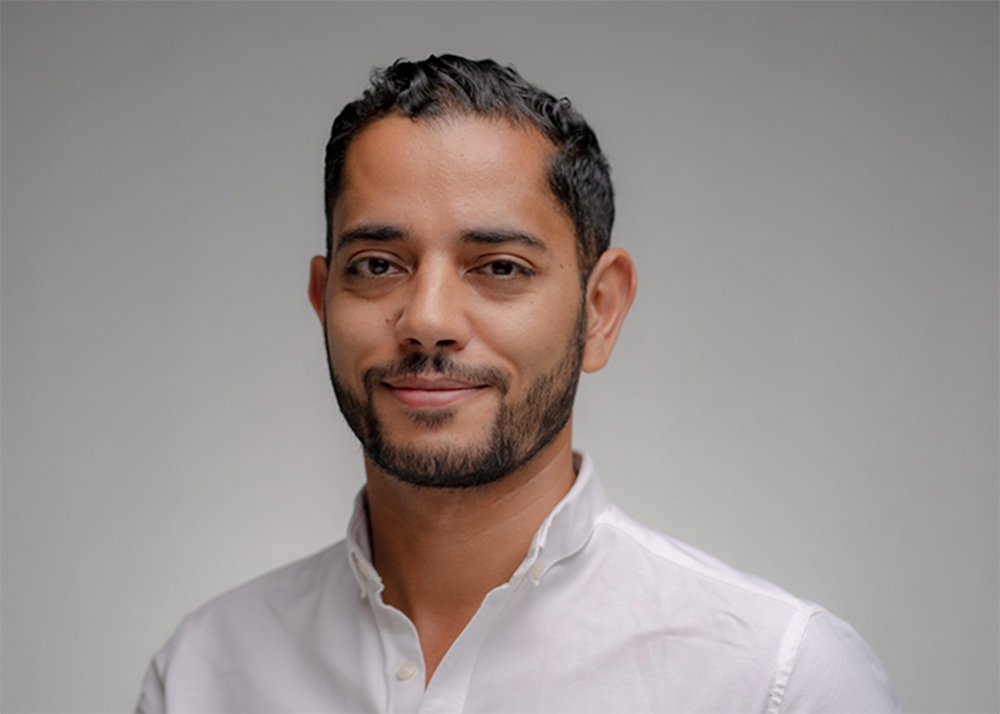
Rammy Elsaadany, Head of Creative, Riyadh Air on creative excuses in the industryRammy Elsaadany, Head of Creative, Riyadh Air

A long time ago, I was in a glass office deep in a creative review for a regional campaign that was imminent for launch. The brief was exciting and sharp, and genuinely the strategy was different. But when the creative came out of the oven, something was missing. It was ok, it felt translated as opposed to originated. Competent rather than considered.

When I probed a bit deeper, the usual replies came back: ‘not enough time’ and endless feedback rounds that had collapsed the thinking window. The realities of production had forced shortcuts, c’est la vie. But now my attitude is different.

The usual excuses that are endemic to our industry are about to expire, not because demand or pace is less, but because the main source of that pressure has changed.

AI and automation are not simply changing what we make. They are radically restructuring when, how and the cadence of decision making. Timelines are being compressed, what took weeks now takes days, and from days to hours. Versioning, localisation and execution are happening at breathtaking speeds unimaginable just a few years back.

We are being handed back time. What we do with this new resource is fundamental to how our industry adapts and progresses. The default response has so far been, more time = more volume. More content, more surfaces, more variations cycling through more channels. Output volume is the metric of progress. This is the instinctive answer; It may also be the wrong one.

In the GCC, already amongst the most content and media saturated environments on the planet, audiences are not passive consumers waiting to be found. They are well read, sophisticated, with a strong sense of what they like whilst also increasingly allergic to anything that feels cookie cutter or generic. To earn attention, it must be relevant, not brute force or repetition.

And relevance in this part of the world is not the final step, it isn’t localisation applied at the end of the production pipeline, it is something that should and must be part of the DNA of the earliest brief, intertwined with the insight and data, symbiotic with the framing of the idea itself.

This is the opportunity we are not fully grasping at the moment. AI is creating this opportunity, the time that is being saved shouldn’t be a license to churn more. It is an opportunity to think harder, deeper and with more precision to ensure the work connects.

This time credit is also the perfect opportunity for us in the industry to rebuild something the region has long under invested in, the conditions for authentic home-grown messaging to emerge from the inside. Many brands and agencies are already moving in this direction, but we’re still only scratching the surface.

Too often, what is presented as cultural specificity in GCC marketing is a product of how the industry is structured, ideas built at the centre, adapted at the edge, with cultural nuance treated as a production input rather than a strategic foundation. We end up with work that is regionally aware, but not regionally true. The audience notices, maybe not direct articulation, but no response is a response.

We are in a unique inflection point, production time pressure no longer crowds out other priorities. It creates space and time to the harder work, stress testing messaging and intent against lived cultural reality, and that’s before it even goes to a brief. This should and must go hand in glove with investing in Arabic speaking creative talent from across the region who don’t need to guess, but live and breathe the culture. It’s not a nice to have, it’s a necessity.

A story or message that needs to be communicated in Arabic and / or in the region with genuine authority whether a brand or initiative doesn’t need a better translation layer. It needs home grown Arabic speaking strategists and creatives shaping the concept and approach before any copy is put to paper. Our industry must be nurturing that talent now, building that pipeline not just reactive emergency hire for the next deadline.

The brands that perform the best in this environment are not the ones with the largest content engine, but the ones that exercise restraint ‘less is more’. The winners will be focused on intentional moments of engagement, ones that resonate on multiple authentic levels.

In a region where cultural and linguistic fluency is a competitive advantage the ability to not take action is even more powerful than producing content for the sake of it. The alternative, high volume, low authenticity low specificity isn’t neutral, it actively erodes trust with audiences that can tell. When something is made for everyone, it is made for no one.

The industry for years has been hiding behind production bottlenecks as cover for creative compromise, AI and automation is deconstructing this excuse and eventually removing it from the equation. Which means, next time a campaign lands without the intelligence its brief deserved, it’s not the budget or the timeline. It’s about what we chose to do or not do when we have the time.

Creatives and their teams all over the region should be entering into their respective glass offices and feel an electric, tangible, connection to their content and campaigns not leaving with the deflated near miss, but leaving liberated that they used their time wisely.

The alibi is gone, what we chose to do now is the only thing that matters.

By Rammy Elsaadany, Head of Creative, Riyadh Air

the authorAnup Oommen
Anup Oommen is the Editor of Campaign Middle East at Motivate Media Group, a well-reputed moderator, and a multiple award-winning journalist with more than 15 years of experience at some of the most reputable and credible global news organisations, including Reuters, CNN, and Motivate Media Group. As the Editor of Campaign Middle East, Anup heads market-leading coverage of advertising, media, marketing, PR, events and experiential, digital, the wider creative industries, and more, through the brand’s digital, print, events, directories, podcast and video verticals. As such he’s a key stakeholder in the Campaign Global brand, the world’s leading authority for the advertising, marketing and media industries, which was first published in the UK in 1968.