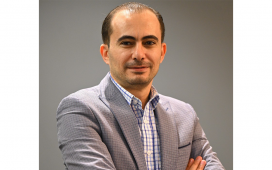
Luz Erhardt, Chief Client Officer, Saffron Brand Consultants
In Saudi Arabia, the brand landscape has transitioned massively. For 50 per cent of the population – all under 30 – the novelty of ‘transformation’ has worn off, replaced by a demand for substance.
For a long time, empowerment, diversification and long-term ambition were the rallying cries of the Kingdom’s Vision 2030, backed by a SAR 1 trillion in domestic investment. These were powerful starting points in building a vibrant society with a thriving economy, and have helped brand experience, choice and preference make their way to consumer behaviour in this opening society.
Ten years into this journey, Vision 2030’s robust, top-down ambition has touched every corner of the Kingdom. Yet this very success has reached an inflection point where predictable, ‘default’ brand promises no longer serve differentiation.
Today, empowerment is no longer a brand benefit; it is the baseline expectation for a digitally fluent, culturally confident generation. Younger Saudis are more critical and demanding of how brands show up in their lives, and those that continue to make abstract and generic claims will lose sway.
This shift changes how brands need to deliver their promise and be experienced. It calls for them to be more relatable and personally relevant to the everyday, human needs of Saudis, and to address the nuances of audiences rather than treating them ‘en bloc’. Young Saudis aren’t a monolith; they are a mosaic of subcultures, from tech-entrepreneurs to creative-economy pioneers.
From one voice to many
For years, Saudi brands treated their identity with a one-size-fits-all approach, speaking to their audiences as one homogenous group, shaped by a single promise and a shared national script. With progress making its mark, this no longer reflects the diversity of Saudi society, nor the values of the younger audiences, to whom the global trend of identification and individuality comes naturally.
Mobily, the second-largest telecom operator in Saudi Arabia, is a good example. After twenty years, the brand had reached a moment where its identity didn’t reflect its growth, ambition, and transformation into a technology and media services powerhouse. It needed a refresh and a brand that matched the pace and optimism of young Saudis and a modern Kingdom.
Rather than lean on a generic message of empowerment, the updated brand focuses on human connection through technology, and the power behind micro-moments of delight that fit naturally into people’s daily routine. From product to experience, the brand is shifting from being distant and corporate to being warm, close, and intuitive.
Other brands like NEO – Saudi National Bank’s digital lifestyle bank – are also adapting to meet the pace and expectations of young Saudis.
Created for a new generation looking to take control of their finances, NEO goes beyond traditional banking to become a lifestyle partner. Its brand promise, ‘Build Your World’, reflects that mindset. Just like Mobily, NEO puts the user first by delivering emotionally engaging digital experiences through intuitive design, gamified journeys and thoughtful everyday interactions.
Monologue to dialogue
Similar shifts are happening in sectors like tourism, entertainment and mobility, where the same question keeps coming up: how can brands deliver meaningful, memorable brand-led experiences?
Younger audiences aren’t waiting for brands to impress them. They expect and demand an experience that is tailored for them, that they find relevant and engaging, and that helps them both express themselves and interact with the world. These individuals are agile, fast-adopters and product-promiscuous, leaving the old days of brand loyalty well behind as they surf the next wave of trends. Brands don’t own the consumer anymore; they have to earn them with every transaction.
Designing what’s next for the new Saudi individual
The bar is higher than ever: younger audiences expect brands to adapt across platforms and reflect their values, while still holding on to what differentiates them. It means treating creativity and distinctiveness not just as expression, but as a business decision, a performance lever that builds long-term value.
The next five years will be decisive for brands in the Kingdom and across the Middle East in general. The way they forge relationships with the future leaders of communities, businesses and institutions will define their future success.
By Luz Erhardt, Chief Client Officer, Saffron Brand Consultants