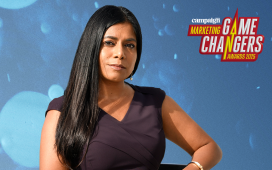
 Laura Woźniak, Senior Project Manager – EMEA, MassiveMusic Dubai.
The Kingdom of Saudi Arabia is in the midst of a dramatic transformation driven by Vision 2030. As part of this vision, hundreds of organisations are attempting to build a strong, lasting brand.
Marketers and brand managers in the Kingdom are on the lookout for the right tools to do so, and sound is one of the tools that they are leaning into. Powerful brands grow from powerful branding, and some of the most strategic brands – such as BSF, one of Saudi Arabia’s oldest banks – now have a sonic brand.
So, why is that?
The universal language of sound and music
Brands adopt a sonic identity because music and sound move us in a way that pictures or words cannot. Music bypasses barriers of language and culture, and is a universal language that every segment of the audience understands and relates to.
Music is also significantly more efficient than visual messaging: research shows that information encoded in sound reaches the brain 17 per cent faster than visuals do.
On April 11 top brand and agency marketers will come together to find solutions to bridge the gap between the changing technological landscape and the lack of nuanced, skilled and specialised talent at the Campaign Breakfast Briefing: Talent & Technology. Tickets are selling out fast, get yours now here.
Perceptions, desires and behaviours
In addition to being universal and ubiquitous, music and sound also are extremely effective when it comes to influencing perceptions, desires and behaviours.
Great music can build a strong emotional bond between the receiver and the sender. Successful Saudi brands have witnessed how utilising music as a branding tool helps them transform the perception of their industry – and, on a global scale, the perception of their country.
Foreign audiences hear and see a lot about Saudi Arabia on the news, TV and social media. Sonic branding provides Saudi brands the power to define what is heard and how audiences perceive them outside the Kingdom’s borders.
‘‘Sonic branding has the power to turn vision into vibration, resonating with the right audiences.”
Retaining the rich heritage of Saudi Arabia through its soundscape
As a foreigner who has worked with Saudi brands for many years, I have come to learn just how intricate Saudi culture and music are. When I began my exploration of Saudi culture in 2017, I had the opportunity to work on the sonic identity of Ithra – the King Abdulaziz Centre of World Culture. It was an honour to dive into the rich musical heritage of the Kingdom, which I realised is exceptionally nuanced.
For instance, let’s look at percussion. One on hand, there are many different types of drums used in Saudi music, such as the riq, daf and tablah but, on the other hand, these are played with different unique and identifiable rhythms across different regions within the Kingdom.
While these nuances may be undistinguishable to a foreign ear, they are an intricate part of hyper-local communities. When integrated into sonic brands, they add a level of uniqueness and understanding of culture, and are a nod to Saudi heritage. It’s no surprise, then, that Saudi brands are increasingly leaning into the use of auditory elements such as an oud note, the clapping of hands, or local vocals into their sonic brands.
When Banque Saudi Fransi rebranded to BSF with a new visual identity that blended modernity and heritage – inspired by Islamic geometry and modern colours, typography and iconography – the brand also decided to translate its visual identity into sound. This ‘translation’ led to a grand composition with subtle hints of Saudi hospitality and national identity, based on a geometric interpretation of music, and became the bank’s sonic brand.
Sound that travels the world
If a Saudi brand wants to speak to its local audience, it may use a version of its sonic brand that has more local instrumentation. On the other hand, to communicate to a global audience, it can easily remake its sonic identity with more globally recognised instruments such as strings, guitar and bass.
Music is very flexible, and a written melody can be performed in multiple genres, tempos and instrumentation. A very common example is the James Bond theme tune. No matter the decade or the number of artists who have reinterpreted this theme to their own style, the musical notation is the same and you instantly know … it’s Bond, James Bond. Dare I say it’s a catchy tune?
This is particularly relevant to KSA’s tourism, real estate and hospitality expansion in line with Vision 2030, which is not only making waves across the Middle East but also across the world, especially with upcoming global events such as Riyadh Expo 2030 and the FIFA World Cup 2034.
The Saudi soundscape and beyond
It’s important to recognise the fact that a nation is transforming in front of our eyes (and ears). Brands driving this transformation in the Kingdom must define what this ‘transition’ ought to sound like for its audiences in the Kingdom, across the region and around the globe. Sound and sonic branding shouldn’t be just an afterthought, but a strategic forethought.
As industries evolve and brand identities take shape, sonic branding has the power to turn vision into vibration, resonating with the right audiences, and making progress not just visible, but audible.
The question isn’t whether sound should be part of the conversation – it’s how boldly we use it to shape the future of brands.
By Laura Woźniak, Senior Project Manager – EMEA, MassiveMusic Dubai.