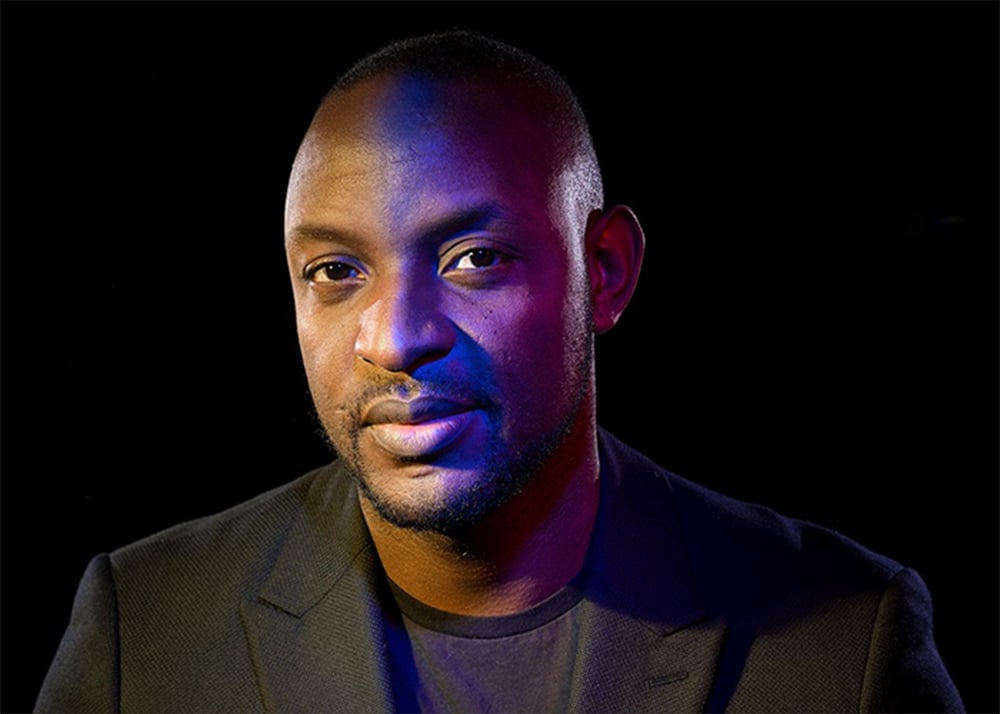
 Boye Balogun, CEO, FutureTech
Sports marketing has always been about passion, identity and reach. For decades, the playbook was clear: sponsor a major team, appear on the shirt, buy perimeter boards and secure a few television spots. The goal was visibility, your logo in the right place when the crowd roared or the cameras rolled.
That model still matters but the world around it has changed. Audiences have fragmented, screens have multiplied and the line between sport, entertainment and gaming has blurred. The next generation of sports marketing is not defined by visibility; it is defined by interaction.
Esports marketing: From stadiums to streams
Today’s sports fans don’t just watch; they stream, comment, play and post. The match may happen in a stadium, but the conversation happens everywhere. Digital platforms have made fandom participatory and instantaneous.
The first generation of sports marketing was built on geography: local clubs, local pride and national teams. The second is built on community. Supporters connect through shared interests, not shared postcodes. A teenager in London can support a team in Riyadh and watch a tournament in Seoul, all in real time.
Audiences have moved
As younger audiences migrate online, their definition of sport is expanding. They still follow football, basketball and Formula 1, but they also follow esports tournaments streamed to millions. For Gen Z and Gen Alpha, esports is not a niche, it is their native playing field.
This migration is reshaping the economics of attention. The realm of esports already commands a global audience of more than half a billion people and is projected to exceed $1.6bn in annual revenue by 2027. Game-time engagement, from live chat to in-game transactions, dwarfs traditional fan interaction. The result is an ecosystem where every second is measurable, every fan is addressable and every moment can be monetised.
Esports by the numbers
3 billion gamers globally drive more than $200bn in consumer spending, making gaming the world’s largest entertainment category.
726 million global esports viewers, with millennials and Gen Z accounting for more than 70 per cent of the audience.
Global esports sponsorship spend has surpassed $1bn, with top teams such as Team Liquid delivering media value on par with the NBA and Formula 1.
The Esports World Cup 2025 in Saudi Arabia featured 25 tournaments, 2,000 players and a record $70m prize pool, backed by more than 20 global sponsors.
Average viewing hours for top esports titles are now within reach of traditional leagues such as the Premier League and NFL.
Brands as participants, not sponsors, in sports marketing
Having worked on both traditional sponsorship negotiations and emerging digital partnerships, I have seen how the smartest brands are reframing their role. In the past, sponsorship meant logo placement. Today, it means participation, entering the experience itself.
In esports, brands can co-create content, design virtual skins, host tournaments or integrate into gameplay. They can appear in-game, not just on screen. These activations feel organic to players and create the kind of immersive engagement that television could never buy.
The lesson applies beyond gaming. Whether it is basketball, athletics or motorsport, the opportunity lies in fusing the physical and digital, live experience plus live data. Audiences want to be part of the story, not spectators on the sidelines.
Audience planning is the new playbook
To succeed, brands need to move from sport selection to audience planning. The key question is no longer “Which sport should we sponsor?” but “Which audience moment do we want to own?”
This requires blending audience data, cultural mapping and behavioural insight. The realm of esports offers something every marketer chases: A young, global, highly engaged community that lives entirely within digital ecosystems. These fans are future consumers of everything from fashion and finance to food and travel, and they expect brands to speak their language in real time.
At FutureTech, we see this convergence daily. The campaigns that perform best are those that integrate media, technology and creativity into a single conversation, not a sequence of channels. Artificial intelligence (AI) now allows us to read audience signals by the second, but the real skill is knowing what to do with that intelligence. As I often say, AI gives us the data, but instinct gives us direction.
The hybrid future of sports marketing
Traditional sponsorships will never disappear. The emotional power of sport, the anthem, the crowd and the shared win, remains unmatched. But the future of sports marketing will be hybrid: Physical moments amplified by digital connection.
Imagine a fan watching a football match while unlocking exclusive digital rewards or attending an esports event where physical merchandise connects directly to in-game experiences. That is where the industry is heading – from billboards to bytes, from exposure to immersion.
The brands that win in the next decade will understand that attention is the new arena. They will think less about being seen and more about being felt, participating in the culture of sport rather than simply sponsoring it.
Esports is not replacing traditional sport; it is expanding what sport means to a new generation. And in that expansion lies the real opportunity – for marketers, for fans and for the future of how we play.
Have you read the book Who Moved My Cheese? Well, if brands don’t move, it will be a case of who moved my audience.
By Boye Balogun, CEO, FutureTech