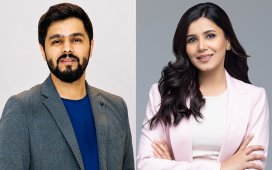
 Amira-Sophia Mouawad, Chief Marketing Officer, Act4.
If we rewind to the early days of social media, influence was not something that was created online. In most cases, it already existed offline. The people who naturally gained attention on platforms were often individuals already admired within their social circles for their taste, knowledge, lifestyle, personality, or sense of style.
As we began following friends, classmates, and extended communities online, certain people naturally stood out. When they shared a favourite product, restaurant, fashion piece, or experience, people listened not because it was an advertisement, but because there was already an established sense of trust and credibility beyond social media itself and within their small social circles. Their influence came from authenticity and genuine admiration, not from trying to sell.
Think of your inner circle of friends.
The one whose apartment always looks curated without trying. The one who somehow discovers brands before everyone else. The one whose style feels personal, intentional, and authentic. And of course, the friend with flawless skin.
When they wear something, use a product, or recommend a place, you pay attention.
Not because they’re trying to sell you something, but because you trust their taste. And honestly, that’s how the concept of influencers started in the first place.
Not with perfectly produced campaigns or scripted partnerships, but with admiration, trust, and people naturally influencing their communities.
Before influencer marketing became a highly commercialised industry, people followed creators at a time when there were no overly scripted campaigns, forced product placements, or transactional partnerships dominating feeds. Influence was rooted in authenticity. Audiences were inspired by individuals who felt both relatable and aspirational, people who naturally introduced their communities to brands, products, and experiences that genuinely reflected who they were. In many ways, the industry today is shifting back toward that original dynamic, where trust, cultural relevance, and authentic lifestyle integration are becoming significantly more powerful than visibility alone.
Consumers today are no longer influenced by visibility alone. They are influenced by credibility, consistency, and the feeling that a product genuinely belongs within someone’s lifestyle. People have become incredibly skilled at recognising when content feels transactional, overly scripted, or disconnected from the creator behind it.
What resonates now is personal selection.
The most effective influencer marketing doesn’t feel like marketing at all. It feels like discovering products through someone whose lifestyle already inspires you.
A skincare product casually sitting on a bathroom shelf. A favorite ingredient used repeatedly while cooking. A fashion piece worn naturally across different posts.
These moments work because the product feels chosen, not placed.
This is also why community-driven creators continue to build stronger engagement. Their audiences may be smaller, but the trust is deeper. Followers don’t just listen to what they recommend. They observe what they consistently choose for themselves.
And this consistency builds credibility.
The brands seeing the strongest results today are the ones giving creators room to integrate products naturally into their existing lifestyle and content. Instead of forcing perfectly scripted campaigns, they focus on long-term alignment, creative freedom, and creators whose audience already trusts their taste.
At the same time, successful influencer activations today require a more thoughtful and strategic approach from brands themselves. Audiences are responding to partnerships that feel intentional, culturally relevant, and aligned with both the creator’s identity and the brand’s positioning. The most impactful collaborations happen when creators are treated as creative partners rather than advertising spaces, allowing campaigns to feel more organic, emotionally resonant, and credible to their communities.
In many ways, influence is shifting away from mass audiences and back toward the social circles, communities, and trusted connections where influence originally began.
The best influencer marketing doesn’t interrupt the lifestyle. It belongs to it.
By Amira-Sophia Mouawad, Chief Marketing Officer, Act4.