Day 2 at the Cannes Lions International Festival of Creativity witnessed a few more Middle East agency leaders jump up in joy as the region’s total tally of trophies rose from two to six, including three Silver and three Bronze Lions.
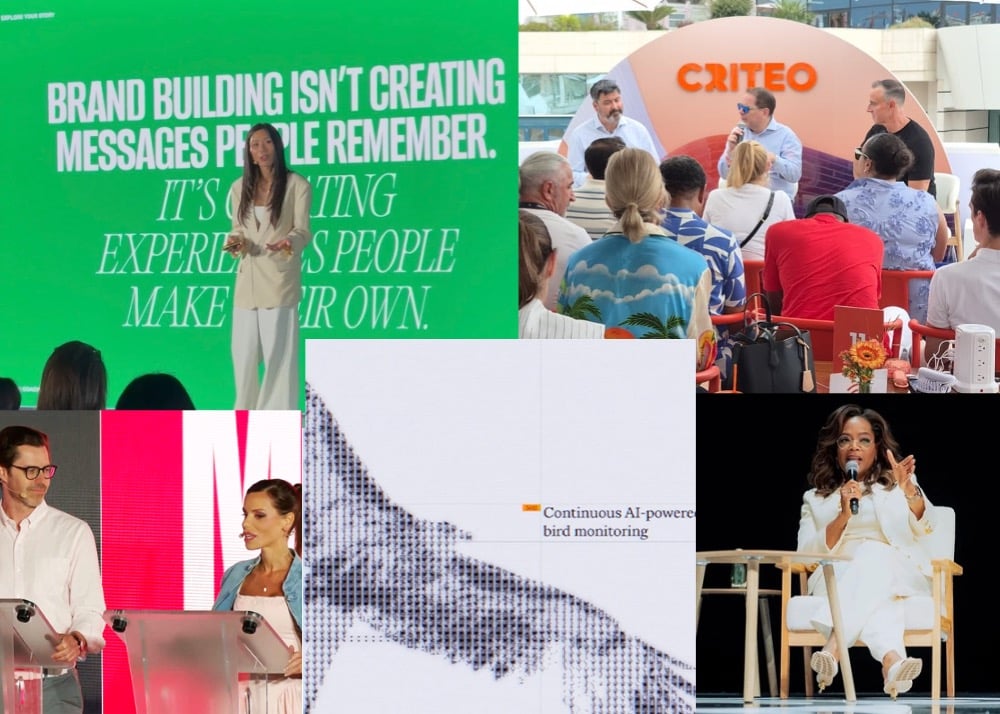
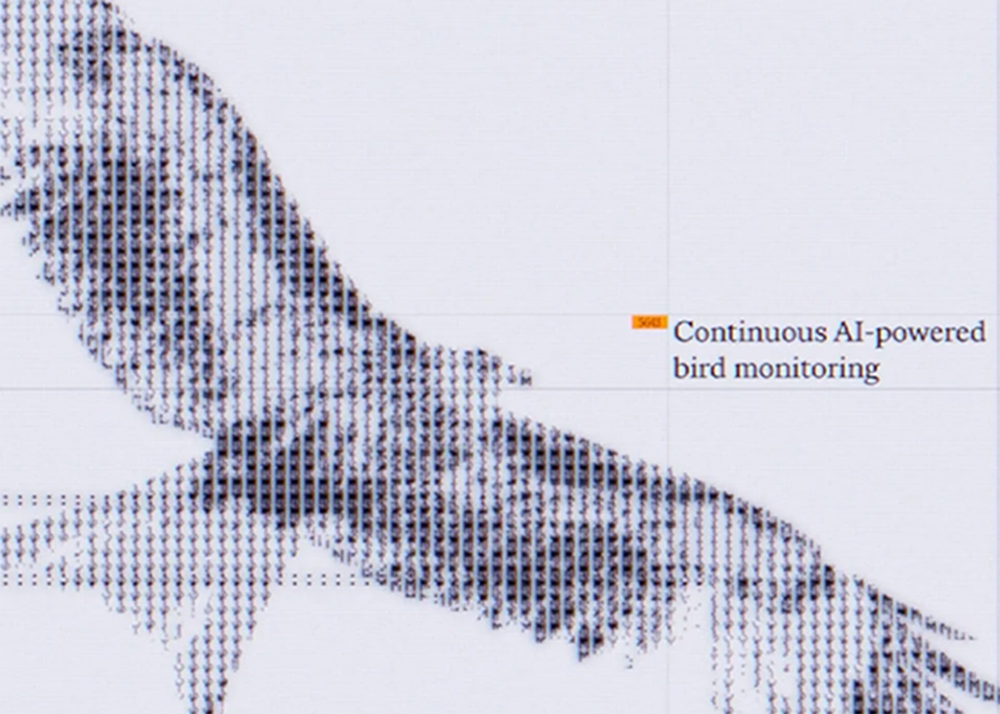
‘The Birdwatcher‘ campaign for Spoor by FP7 McCANN MENAT – about AI-powered bird monitoring for wind projects – won three metals cats. It was awarded a Silver Lion and Bronze Lion in the Digital Craft category, and another Bronze Lion in the Design category.
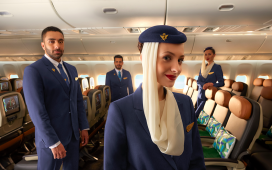
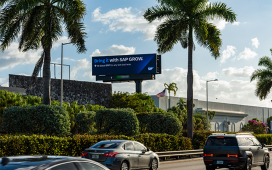
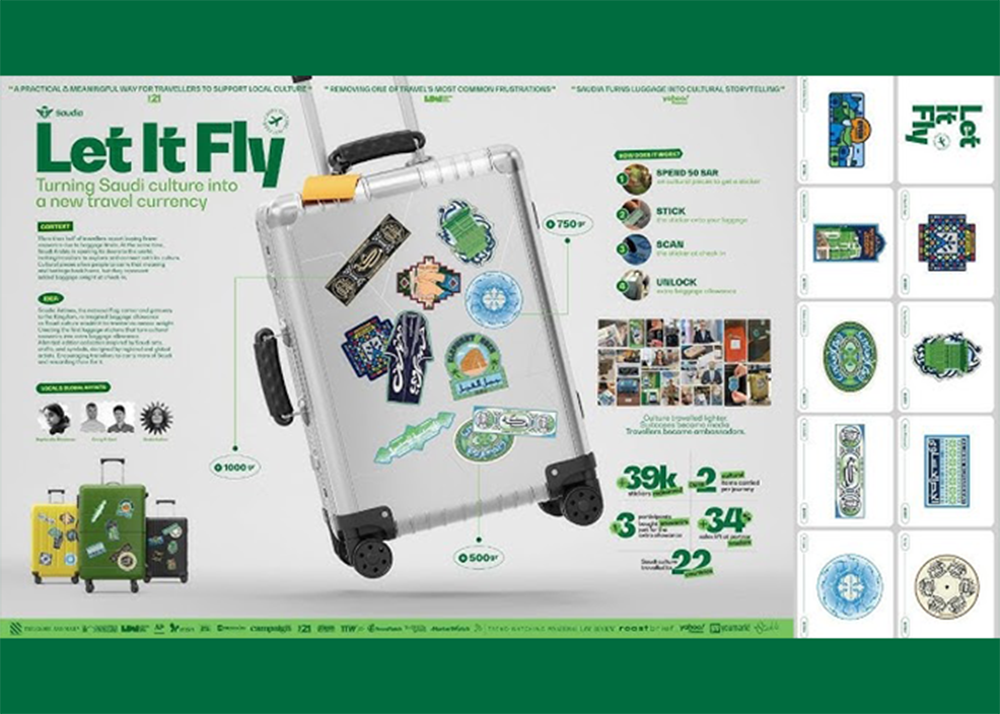
The ‘Let It Fly‘ campaign for Saudia Airlines by Publicis KSA, Jeddah and Saatchi & Saatchi Middle East claimed a Silver Lion in the Outdoor category.
‘The Ring: The Legacy Continues‘ brand campaign by BigTime Creative Shop in Riyadh was also honoured with a Silver Lion in Film Craft category.
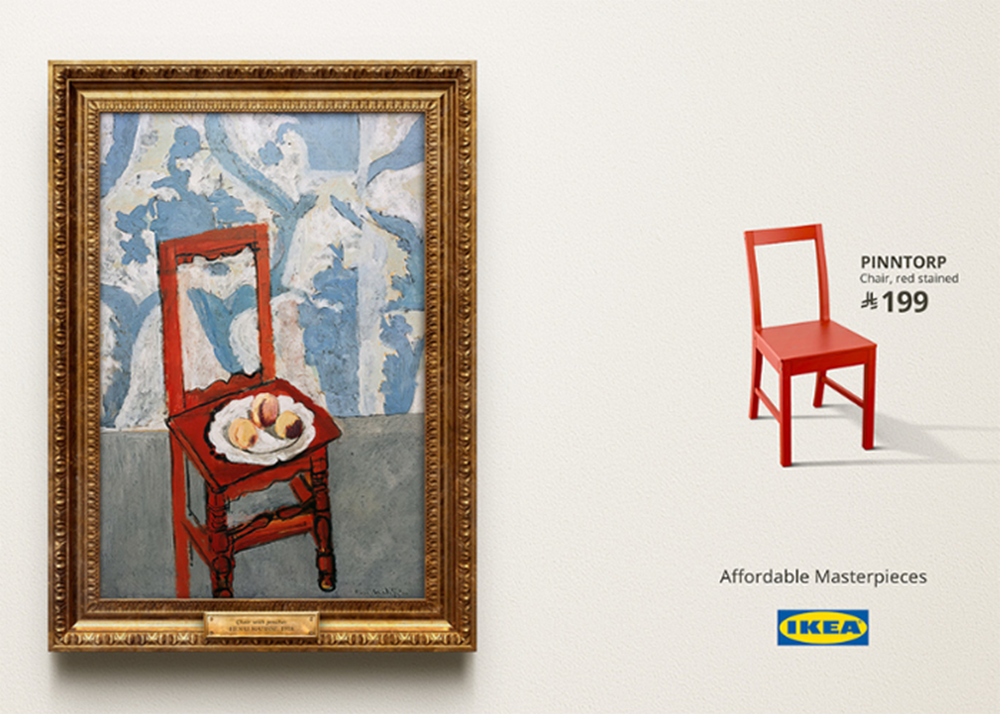
Memac Ogilvy‘s ‘Is that a Pinntorp?’, which is part of its ‘Affordable Masterpieces‘ campaign for Saudi Arabia’s IKEA AlSulaiman, picked up a Bronze Lion in the Print & Publishing Lions category.
Click here to find out all the top contenders for Cannes Lions awards from the Middle East region.
Apart from the awards, there were also a lot of learning opportunities, creative brainstorming sessions and workshops, and game-changing closed-door business strategy meetings.
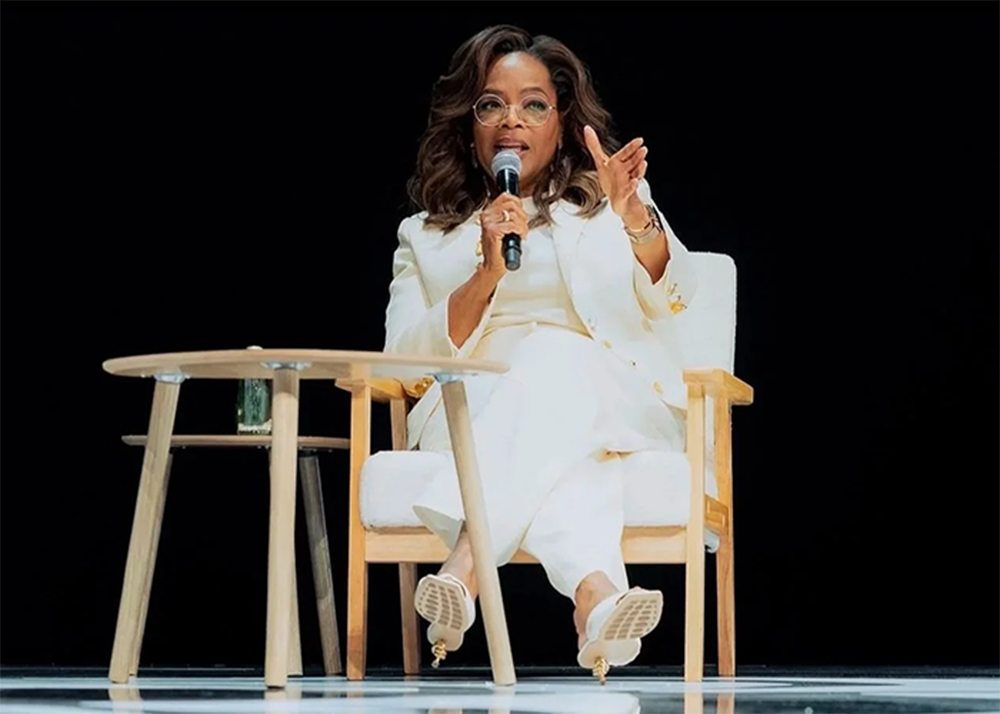
An Audi R26 got all the looks near the Aleph yachts; Oprah Winfrey drew crowds to the Lumiere Theatre in the Palais; while Ryan Seacrest and NFL Chief Marketing Officer Tim Ellis had crowds braving the heat at the dentsu Beach House.
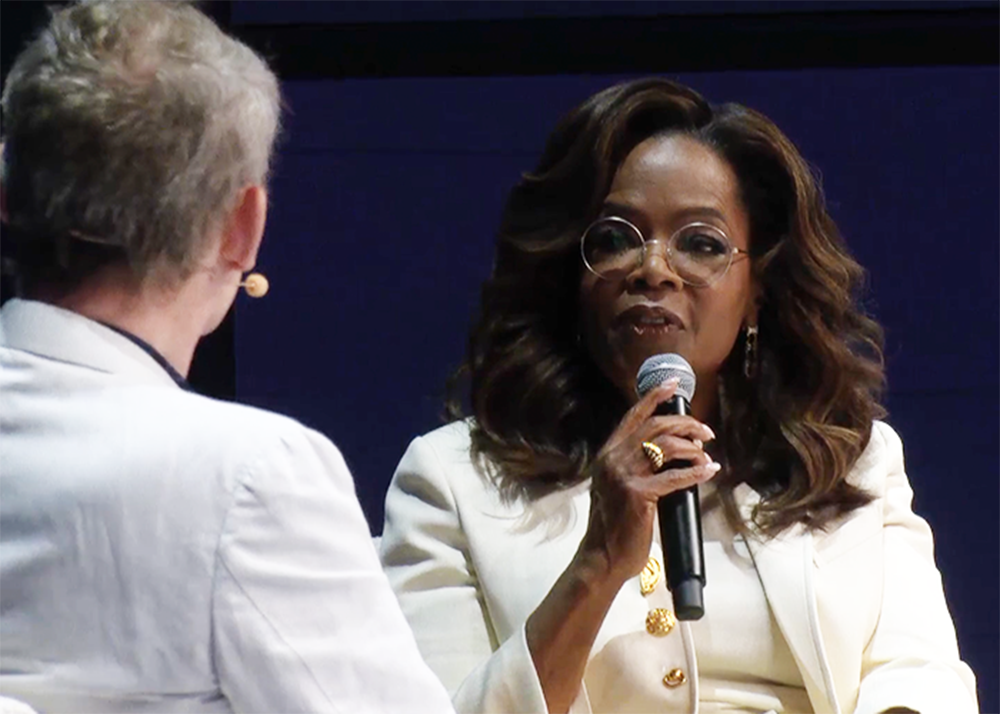
Oprah Winfrey’s Cannes lesson: trust is built by intention, not image and reputation alone
At Cannes Lions, where the industry often speaks in the language of platforms, performance and personal branding, American host and television producer Oprah Winfrey brought the conversation back to something older, quieter and far harder to fake: human intent.
Accepting the 2026 LionHeart Award – Cannes Lions’ highest honour for individuals using their platform for positive social impact – Winfrey offered far more than a reflection on her career.
For an industry wrestling with authenticity and trust in the age of artificial intelligence (AI), her first provocation was aimed at the phrase every marketer uses too easily: brand.
Winfrey admitted that she once rejected the idea entirely. “When I first started out, I 100 per cent resisted ever being called a brand,” Oprah Winfrey said. “I didn’t want to be a brand.”
But her view evolved – not into the polished, manufactured idea of a brand, but into something more rooted. “I have accepted that I am a brand,” Winfrey said. “And I accept that my heart is my brand.”
That distinction matters. In a world where image can be engineered and content can be generated at scale, Winfrey’s point was simple: trust cannot be performed for long. “The brand is just an expression of yourself,” she said to a packed theatre at the Palais.
Her operating principle, she explained, has been intention. At The Oprah Winfrey Show, the question was not merely what needed to be produced, but what it was meant to do. “We’re no longer going to do any show unless I’m in alignment with your intention,” Winfrey recalled telling her team.
That discipline became a process. “We would have meetings before every show a week before to talk about what the intention is going to be,” she said. “And then we’d have a meeting after every show. Did we fulfil the intention?”
For marketers, this could unlock a sharper metric than reach alone. Before asking whether people watched, clicked or shared, Winfrey’s framework asks whether the work had a reason to exist.
Her audience insight was equally direct. Instead of relying only on formal research, she listened. “I wanted to sit down and talk to people,” she said. “I wanted to see where they came from, and I wanted to see why they came to the show, and I wanted to see what they were getting out of the show,” said Winfrey.
The lesson was clear: data can reveal behaviour, but listening reveals meaning. “We built shows for what people were telling us was going on in their lives,” she said.
Winfrey’s Cannes message was not anti-technology. It was pro-human. As communications becomes faster, cheaper and more automated, her reminder was timely: influence matters only when people feel seen, heard and served.
Creators, commerce and communities at Cannes Lions
Let’s be honest: Cannes Lions 2026 has not had any shortage of tech talks. Artificial intelligence (AI) has had an uninvited, but not unwelcome, voice in every discussion, whether in boardroom briefings, platform announcements, creator sessions or late-evening debates along the French Riviera.
Yet, beneath the noise, a more important question emerged: how do brands grow in a world where attention is fragmented, culture is decentralised and machines are beginning to influence choice?
For Simon Cook, CEO, LIONS, the answer begins with making a stronger commercial case for creativity.
In conversation with Campaign Middle East, Cook said, “One of the key messages coming out of Cannes Lions 2026 is the need for continued investment in creative marketing that matters. So, throughout the content, and throughout everything we’re doing during the week, the objective is to give people the data, the insights, the intelligence and the ammunition to connect daily creative marketing with the broader growth agenda.”
View this post on Instagram
That growth agenda is increasingly being shaped by creators. Neither as media units nor as borrowed audiences, but instead as cultural collaborators who understand how communities behave, joke, share and respond.
Comedy content creator Adam W. made the point during a Cannes Lions panel, arguing that creator-led advertising needs more restraint, especially when brands try to front-load commercial messages.
The strongest work, he suggested, happens when the partnership does not feel like a forced insertion.
Speaking to Campaign Middle East, Adam W. said, “We’ve begun to see a lot more brand-creator partnerships become long-term, which is not only good for creators and for brands, but also for the audiences that we are communicating to. Also, it should never feel like a brand paid you to promote something. It should always be a two-way street; a collaboration where brands allow creators to go back and forth with them a bit and come to a conclusion together about how to deliver the best creative video that will not only perform well but will also build the brand.”
View this post on Instagram
Unsurprisingly, this was also a notion brought to the fore by Joon Silverstein, CMO of Coach, and Julia Holtback Yeter, Creative at Forsman & Bodenfors. They unpacked how the luxury brand have approached Gen Z. Their argument was clear: younger audiences are not waiting for brands to hand them culture. They are already making it.
Silverstein said, “Brand building isn’t about creating messages that people remember. It’s about creating experiences that people make their own. Brands don’t win by coming up with their own story; they win by trusting their audiences to help write it. We didn’t see success by asking people to engage with campaigns. Instead, we chose to show up in places where they were already happy.”
View this post on Instagram
That idea also surfaced during discussions around cultural relevance and effectiveness. Brands such as Vaseline and Dove were referenced as examples of work that moved beyond message delivery and into shared meaning.
On a panel about ‘Discovery vs Belief: Where Does Brand Power Really Sit Today?’, Tati Lindenberg, CMO, Unilever Home Care, and Jim Squires, CMO, Reddit, discussed how brand power is shaped by two forces: platforms that shape what gets surfaced, and people who decide what it means. One drives discovery. The other drives belief.
Together, people and platforms, discovery and belief are redefining how brands earn visibility, relevance and growth. Visibility is no longer driven by algorithms alone, but by the conversations and communities they reflect. Simultaneously, creators and audiences shape what brands stand for, building or eroding trust beyond a brand’s control.
“Recommendations, community, discovery – all of it matters. But the question is not about what gets a brand noticed; it is what makes a brand grow. And while recommendations and discovery can get a brand seen, belief is what makes it chosen again and again. Recommendations and discovery can create awareness, but belief can create preference – and preference is where long-term value is created,” Lindberg said.
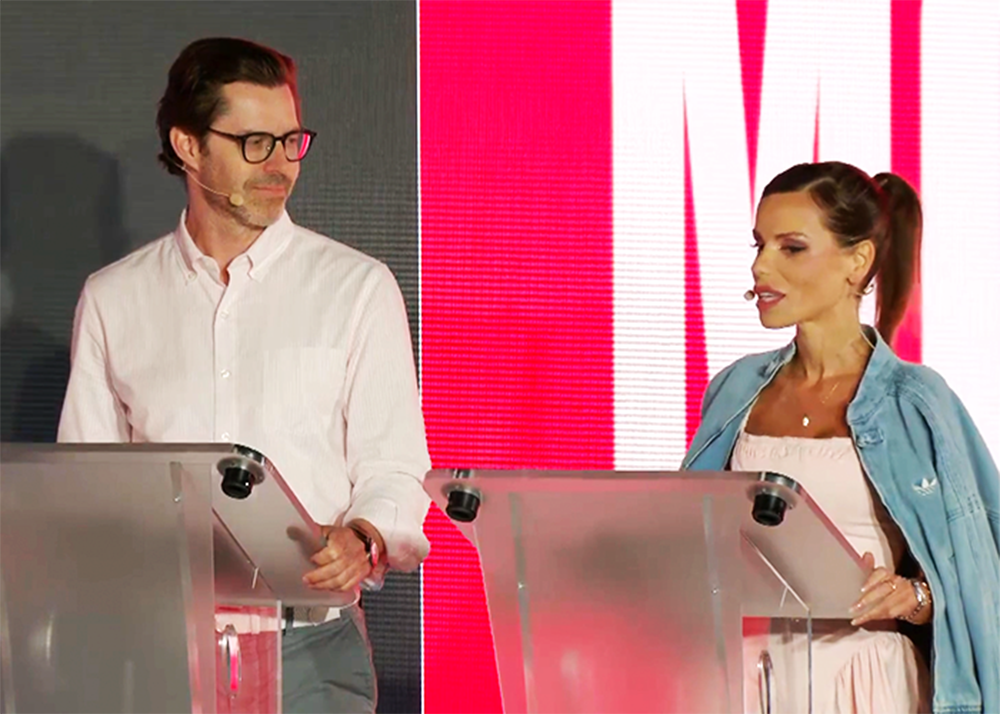
At the UK Advertising Association’s gathering at Empower Café, K-pop singer and songwriter Andrew Choi and actor-producer Rich Ting performed for advertisers and partners and spoke to Campaign Middle East.
Speaking to Campaign Middle East, Choi said, “I think creators are the ones that are actually building communities. It’s extremely important to build such communities because it’s people that bring value to the products. Brand leaders are beginning to recognise this and are navigating more consciously towards creators because of this.”
Trust: Earning a place in the consumer’s world
But participation without credibility is fragile. Trust has become the operating system beneath everything else. The industry is entering the AI era with unresolved baggage from the previous digital cycle: spam, synthetic interactions, low-quality automation and consumer scepticism.
This matters because AI is no longer just another media layer. It is becoming a filter between people and decisions. As AI tools begin to recommend brands, fill baskets, book services and reorder products, reputation is being interpreted before consumers even reach a brand’s owned channels. In that world, louder messaging will not rescue weak fundamentals.
Cannes Lions 2026 has made one thing clear: the industry is no longer debating whether AI will change marketing. That argument has already left the room. The sharper question now is whether brands can adopt AI at pace without sanding down the very things that made people care about them in the first place.
View this post on Instagram
Across the Croisette, the conversation moved between culture, technology, creators and commerce. Yet the common thread was not automation; it was credibility. In a market where every brand is publishing, posting, optimising and targeting, visibility alone is no longer enough. The real task is to earn a place in the worlds people already value.
For marketers, that means cultural alignment can no longer sit in the soft-metrics drawer. It has to connect to commercial outcomes. The strongest work today is not merely well distributed; it is well placed in culture. It understands context. It respects communities. It knows when to enter the conversation and, just as importantly, when not to.
That is where trust becomes critical. Not the kind that appears in a brand manifest, or the kind that gets polished into a purpose statement. The more important version is operational. It sits inside product experience, customer service, media behaviour, data usage, content quality and the promises a brand chooses to make.
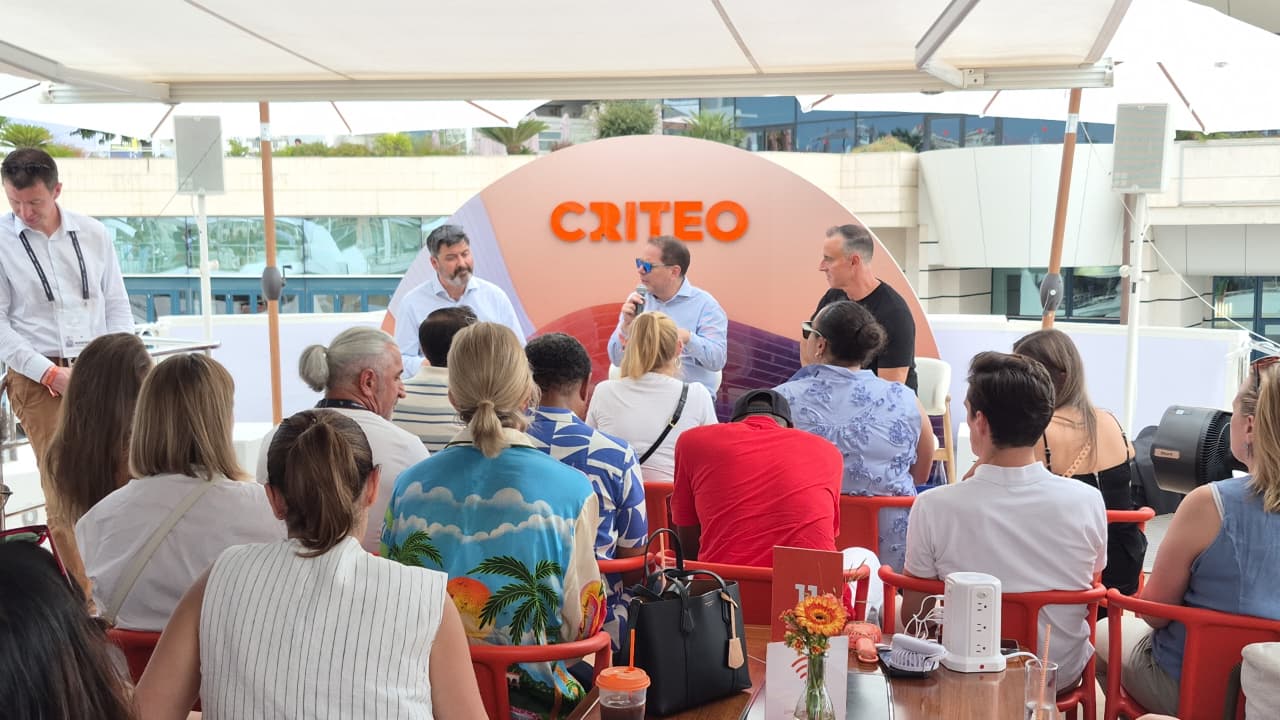
A wonderful panel on the Criteo yacht along the marina at Cannes Lions witnessed Steve Cox from the Department of Culture and Tourism – Abu Dhabi (DCT Abu Dhabi), Arnaud Bourge of Accor, and Criteo’s Marc Fischli on discuss ‘The Next Destination: How AI is Reshaping Travel Marketing’.
The discussion focused on Abu Dhabi’s AI-first approach, integrating AI into every government touchpoint, including tourism strategies where deep consumer insights inform action even during moments of crisis. AI-enabled real-time analysis, market segmentation and marketing investment adjustments were discussed.
The conversation highlighted the importance of a clear strategy, capable teams, clear data governance and the need to simplify tech stacks. It highlighted how the use of AI in tourism enriches data insights, enhances personalisation, and ensures operational efficiencies.
AI is not simply another distribution channel. It is becoming a layer between people and decisions. When someone asks an AI tool what to buy, where to go, which service to choose or which product to avoid, that response could become the first meaningful summary of a brand’s reputation. In many cases, it may happen before a consumer visits a website, sees an ad or speaks to a salesperson.
This is also why the human dimension of marketing cannot be treated as a nostalgic accessory. AI can accelerate production, improve iteration and support decision-making. But originality, empathy and judgement remain central to brand value.
The risk is not that technology becomes too capable. The risk is that companies become too comfortable outsourcing the parts of marketing that require taste, responsibility and emotional intelligence.
Platform announcements at Cannes reflected this shift. TikTok introduced a set of AI and creator-led advertising tools, including Symphony Agent, an agentic AI product designed to help advertisers develop platform-native campaigns more efficiently.
According to TikTok, Symphony Agent brings together advertiser objectives with signals from high-performing content and emerging platform trends. The tool is designed to support several parts of the creative process, from building videos to identifying relevant creator content and matching creators to campaign needs.
The product will operate across TikTok’s creative ecosystem. Within Symphony Creative Studio, it uses an AI chat interface to help advertisers develop TikTok ads.
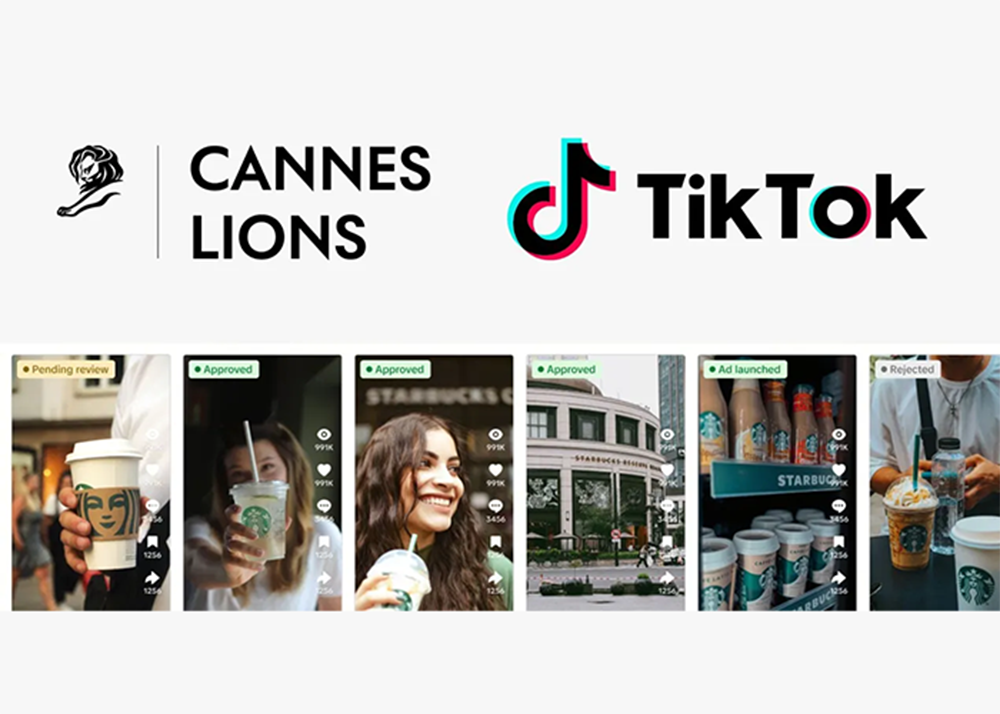
Within Content Suite, it helps brands review creator videos and surface content recommendations that may be relevant to campaign planning.
TikTok has also said the tool includes safeguards such as AI labels, invisible watermarks and moderation filters. Those details matter because the next phase of AI-led marketing will be judged not only by speed and output, but by transparency and responsibility.
Stay tuned for continued coverage of the Cannes Lions International Festival of Creativity over the coming days.