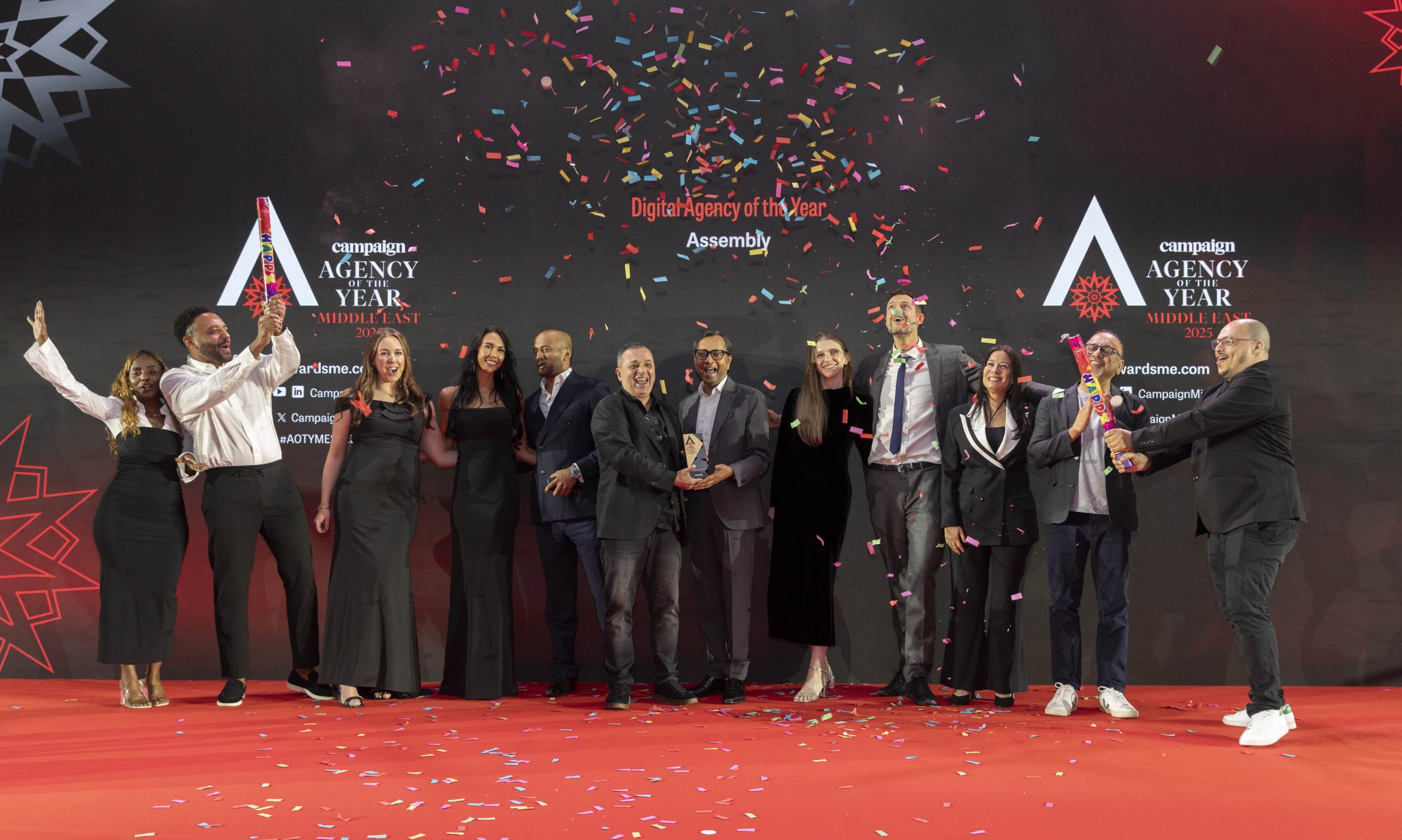
Assembly was named the Digital Agency of the Year at the Campaign Agency of the Year Awards 2025.
According to the jury, “The agency positions itself as a benchmark agency shaping the region’s digital future. Their strong commercial growth, innovation in data and performance tools, and unified approach to digital disciplines illustrate clear market leadership.”
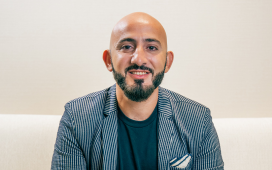
Farhad Miah, Chief Client Officer, Assembly MENA shared his reflections after winning the 2025 title.
How does this award reflect the culmination of your efforts in 2025?
This year marked the point where intention met execution. In 2025, the focus shifted to strengthening foundations and capabilities: improving team integration, deepening client partnerships, and aligning brand and performance more closely in practice. That work resulted in a clearer operating model and more consistent delivery across disciplines. Being named Digital Agency of the Year recognises not just output, but how the organisation evolved internally. The recognition reflects what teams and partners experienced throughout the year: clearer workflows, stronger digital systems and more reliable outcomes built on sustained collaboration.
Which industry pressure or shift most influenced how you operated in 2025?
The biggest pressure came from the speed of change across platforms and tools, particularly as artificial intelligence (AI) became embedded rather than optional. That pace exposed weak processes quickly. It forced us to be honest about what adds value and what doesn’t. In response, we focused on simplifying workflows, strengthening judgement and reducing dependency on constant optimisation for its own sake. The shift wasn’t about adopting every new capability, but about deciding where automation helps and where human thinking still makes the difference.
How have expectations within the digital space shifted over the past 12 months?
Advertiser expectations within the digital space have been shifting steadily toward greater accountability. Senior leaders are increasingly demanding proof that digital investment drives real organisational impact. The days of measuring success through surface-level media metrics or follower milestones are fading. Over the past 12 months, this shift has accelerated, pushing marketers, agencies, and publishers to build more meaningful measurement frameworks. This has led to more disciplined digital planning and infrastructure decisions, enabling digital to play a more credible role in long-term brand and business growth.
What do you think the industry needs to change or fix on priority in the months ahead?
The industry needs to reset how partnership is defined and rewarded. Too often, agencies are expected to operate as true partners without the structures, trust, or commercial terms that support that role. Fairer remuneration would help enable deeper investment in people and capability. At the same time, many brands talk about automation and AI but stop short of real implementation. When implemented well, it can remove operational friction and give talented teams the space to focus on innovation, experimentation, and higher-value thinking.
In your opinion, what do consumers really want, and how can agencies help brands meet this need?
Consumers want brands that feel relevant, consistent and respectful of their attention across every interaction. They don’t experience channels in isolation, and they don’t respond well to disruption without substance. Agencies can help by focusing on connected storytelling, where brand purpose and performance reinforce each other. When creativity is grounded in real insight and delivered consistently across touchpoints, brands become more meaningful, credible and easier to trust over time.
What will matter most as the industry moves into 2026?
As the industry moves into 2026, focus will matter more than scale. Budgets remain tight, competition for attention is intense, and brands will need to commit to fewer, stronger ideas rather than spreading investment thinly across channels. Brand building will regain importance as a long-term growth driver, supported by more mature use of AI and automation. The shift will be away from chasing metrics for their own sake and toward clearer strategies that unify channels and deliver sustained impact.