We are living through a period where generational labels are multiplying, yet understanding feels increasingly diluted. Baby Boomers are being rediscovered for their spending power. Gen X remains quietly resilient. Millennials are navigating midlife with digital fluency. Gen Z is redefining identity in public. Gen Alpha is growing up with AI as a companion rather than a novelty.
The temptation for marketers is to segment by age and optimise by channel. But age rarely explains behaviour on its own. Culture does. Context does. Technology certainly does.
According to McKinsey, Gen Z already represents more than $450bn in spending power globally, while Millennials remain the largest consumer group in many MENA markets. At the same time, Ipsos research shows that 70 per cent of consumers across generations say they are more likely to trust brands that reflect their personal values. The insight here is not about age. It is about alignment.
At OMD, we have found that an empathetic lens is more useful than a purely demographic one. When we look at generations as people shaped by shared digital culture rather than rigid birth years, patterns emerge that are far more meaningful.
Millennials were the digital storytellers. They turned social platforms into stages for self-expression and collective movements. They value brands that contribute to a narrative larger than the product itself. Nike’s long-term commitment to purpose-driven storytelling is a case in point. It did not fragment its message by age group. It anchored in a core belief and allowed different generations to interpret and connect with it in their own way. Gen Z, by contrast, communicates visually and collectively. They move seamlessly between TikTok trends, gaming environments and real-world activism.
Deloitte’s 2024 Global Gen Z and Millennial Survey found that nearly half of Gen Z respondents have made purchase decisions based on a brand’s social impact. For them, authenticity is not a slogan. It is a filter. Brands that succeed here do not simply speak to culture. They become part of it in credible ways.
Generation Alpha is still forming its consumer identity, but one thing is clear. Immersive technology is their baseline. Roblox, Fortnite and YouTube are not platforms. They are environments. WARC data shows that gaming now rivals social media in daily time spent among under-18s globally. For brands, this signals a shift from placing messages within media to designing experiences within ecosystems.
What differentiates these generations is often expression, not expectation. The formats may vary. The platforms may evolve. But across cohorts, the expectation remains consistent: relevance, authenticity and value.
This is where the idea of the third space becomes critical.
Traditionally, brands operated within two dominant arenas: home and work. Today, a powerful hybrid arena is expanding between them. The third space is the group chat, the gaming lobby, the pop-up art collective, the live-streamed concert, the community run club. It is fluid, co-created and often borderless.
In the Middle East, this shift is visible in the growth of experiential retail, esports tournaments in Riyadh and community-driven wellness events in Dubai. These are not simply activations. They are cultural meeting points. Brands that show up meaningfully in these spaces earn more than reach. They earn relevance.
For marketers planning in 2026, this demands a more empathetic planning approach. Data segmentation remains essential, but it must be layered with cultural intelligence. Creative development must flex in tone and format without fragmenting the brand’s core belief. Influencer and creator partnerships must feel culturally embedded rather than transactional. Channel planning must follow intent and context, not
age assumptions.
Measurement must evolve accordingly. Cross-generational impact cannot be assessed through impressions alone. Attention quality, brand lift and sustained engagement across communities provide a clearer view of influence in a fragmented landscape.
Generational marketing in 2026 requires a human reset. Less fixation on age brackets. More focus on people in motion. Technology will continue to evolve. Platforms will fragment further. But the constant is this: people seek connection, identity and meaning.
When we create strategies that recognise that shared human drive across generations and understand the third space where culture is co-created, we move beyond reacting to change. We begin to create what’s next.
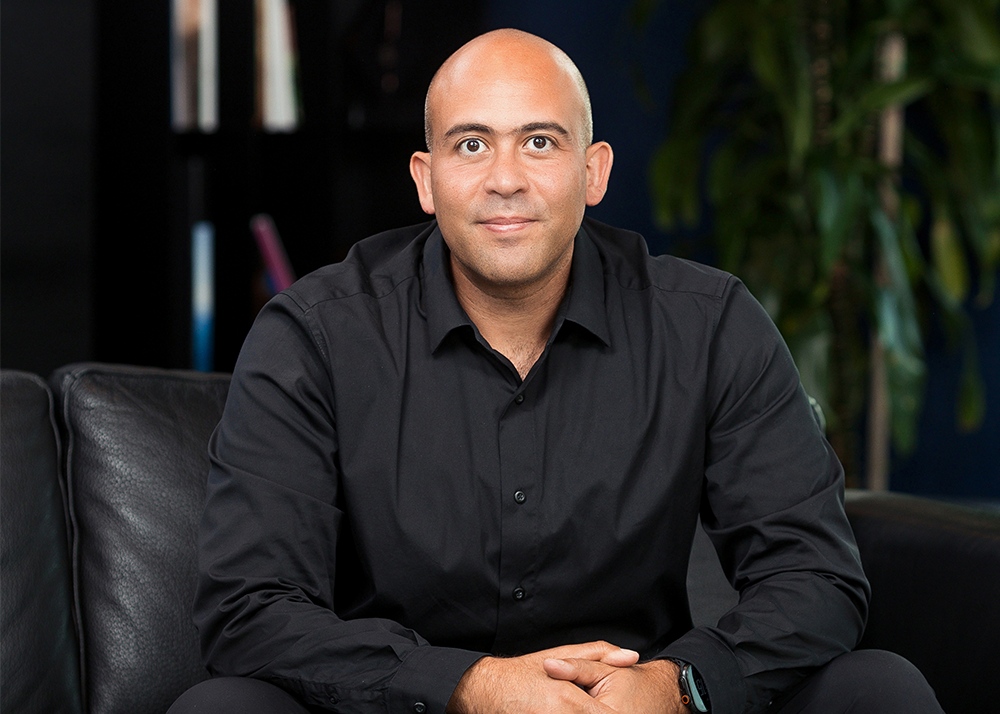
By Saleh Agha, Managing Director, OMD MENA.