Football fandom is increasingly being shaped by conversation, community and real-time participation, according to new research released today by Snapchat. The findings reveal that for young fans across Saudi Arabia and the UAE, the match is no longer the entire experience, with messaging, group chats and mobile engagement becoming central to how supporters follow the game.
The research, conducted by OnePoll among football fans aged 18–34 across both markets ahead of this summer’s biggest football tournament, highlights how modern fandom is increasingly built around shared reactions, digital conversations and second-screen participation. Rather than simply watching matches, fans are simultaneously messaging friends, reacting to key moments and following conversations online, creating new opportunities for brands to connect during live sporting events.
The findings challenge the traditional idea of football viewing as a passive experience, revealing a more connected and participatory form of fandom where the live match unfolds simultaneously across television, mobile and private conversations.
The match continues in the chat
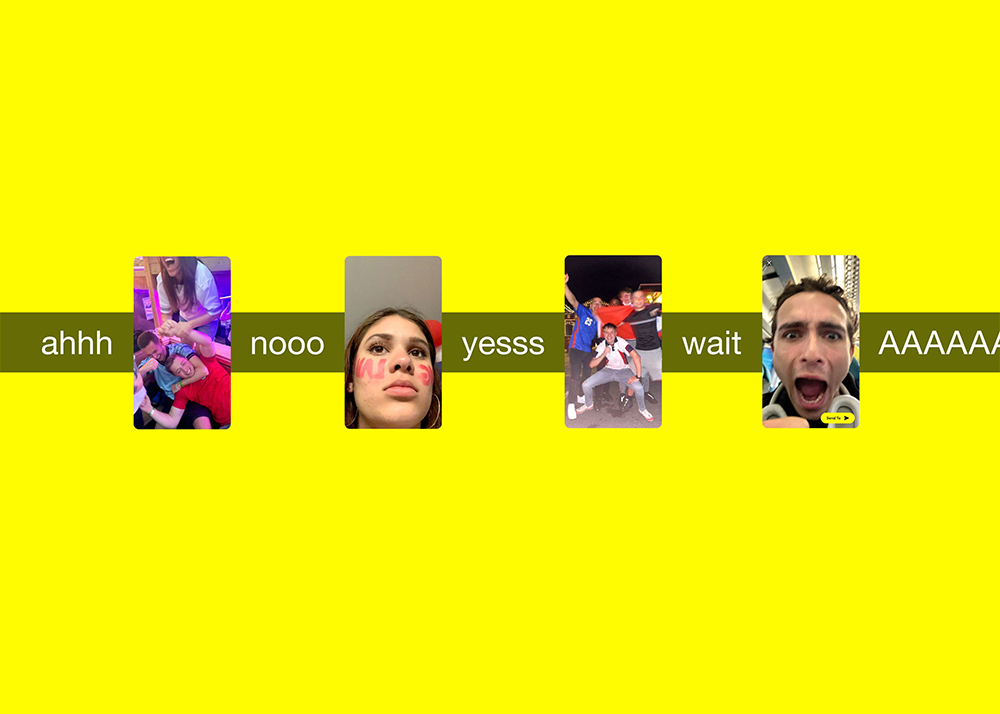
The research shows football is increasingly experienced as a shared social moment, happening both in person and digitally, with emotional moments unfolding across group chats, messaging apps and real-time reactions.
- Nearly nine in ten fans in the UAE (90 per cent) and Saudi Arabia (88 per cent) say who they watch with is important, not just the game itself
- 72 per cent of respondents across both markets agree that major sporting events strengthen friendships
- In the UAE, 64 per cent typically watch major sporting events with friends or family at home
- Following a goal, 86 per cent of UAE fans and 88 per cent of Saudi fans are likely to message friends or check reactions online
- In Saudi Arabia, 81 per cent say messaging apps help them feel more connected to friends and fellow fans during matches, while 74 per cent expect their group chats to be active throughout the tournament
The findings highlight that football fandom is becoming less about passive consumption and more about participation, conversation and connection, with many of the tournament’s biggest moments now extending beyond the broadcast itself.
The second screen is becoming part of the football experience
The research also highlights the growing role of mobile devices during live matches, with fans regularly turning to their phones throughout the game to follow reactions, communicate with friends and engage with content related to the match.
Fans in the UAE check their phones an average of 9.5 times during a match, while fans in Saudi Arabia do so 8.5 times. More than eight in ten respondents across both markets say they are likely to pick up their phone during World Cup water breaks, while over half of UAE fans use their phone during half-time.
The desire to share key moments is also becoming increasingly common. Nearly eight in ten fans in both markets say they are likely to film and share celebrations with friends and family, reinforcing how mobile has become an integral part of the live football experience.
Every goal creates new opportunities for brands
The findings also highlight significant opportunities for advertisers during major sporting events. More than eight in ten respondents across both markets say they are interested in hearing from brands during breaks in play, highlighting consumers are increasingly receptive to marketing that complements the viewing experience rather than interrupts it.
As fans move seamlessly between watching, messaging and reacting, live sporting moments are creating new opportunities for brands to engage audiences with content that feels timely, relevant and connected to the conversation.
Football has always been one of the world’s biggest shared cultural moments, but the way fans experience the tournament is evolving. What Snapchat is seeing across Saudi Arabia and the UAE is that fandom increasingly extends beyond the match itself. Fans are messaging friends after goals, reacting together in group chats and sharing the experience in real time through their phones.
The findings underscore how football fandom is becoming increasingly social, mobile and digitally connected, creating new opportunities for fans, creators and brands to engage around shared moments in real time.