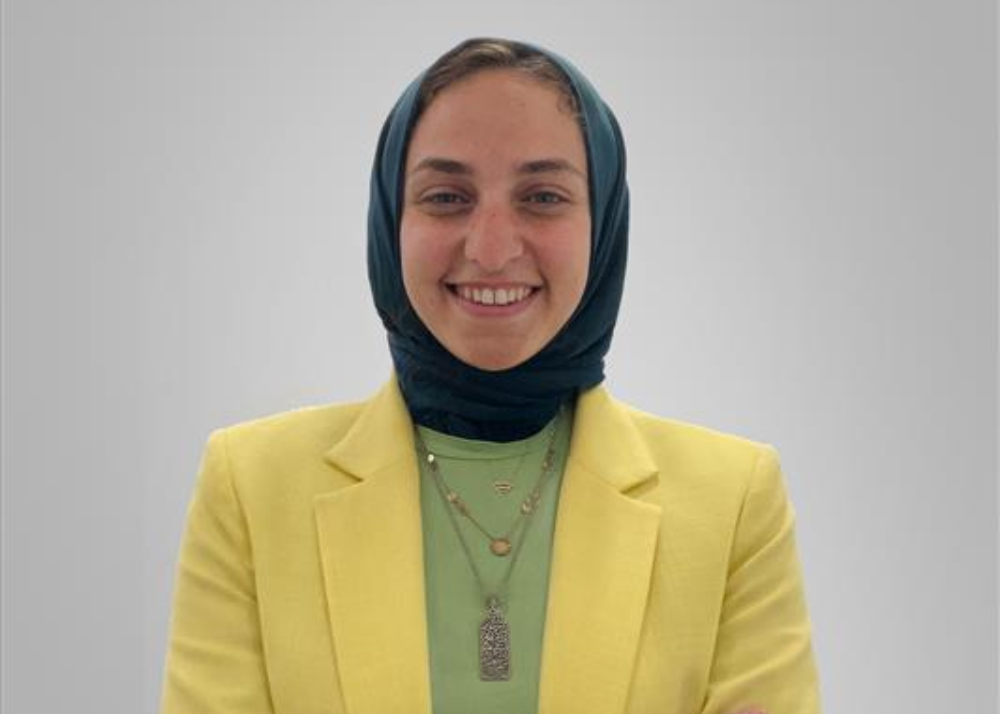
 Nourhan Hossam, Creative Lead at The Hanging House.
It feels strange to talk about large-scale moments at a time when the atmosphere across the region feels more reflective and measured. Yet, at the same time, that’s the reality of working in experiential design. In recent days, events across the wider Middle East have inevitably shifted the tone of public conversation, reminding us how quickly the context around major events can change.
Major sporting moments scheduled across the region in the coming months, bringing expectation, investment and global visibility. For those of us designing around them, preparation begins long before the public ever experiences them.
Planning for them now, however, can’t ignore the present climate. The focus can’t just be how big an activation looks or how dominant a brand appears across a city. It has to consider how people return to shared spaces, what they expect from the brands around them and how those brands can contribute something meaningful rather than simply compete for attention.
So as we look towards 2026, how should brands prepare to show up around the region’s next major sporting stages?
The audience brands imagine vs the audience that arrives
When I worked on the Arab Women’s Sports Tournament, I was struck by the diversity of the women involved. You had athletes who had trained for years at a competitive level, while others had women who had started their fitness journeys much later in life, often alongside full time work and family responsibilities.
Over the past few years, sport in the region has shifted from something that once felt exclusive to is woven into everyday life. People now organise their days around sport in the same way they might around social plans. It has become part of how people meet, unwind and how they feel productive at the end of the day.
I’ve met women who didn’t grow up seeing themselves as athletes but who now train consistently and speak about fitness with confidence. I’ve even seen younger audiences drawn to technology-driven versions of sports like golf, making traditionally elite activities feel more accessible. It makes me wonder, are brands still designing for the audiences they imagine, or for the audiences who are actually showing up?
As I think about the sporting moments planned for 2026, recognising this diversity becomes the foundation for experiential design. That means brand experiences can’t just be designed around a narrow idea of who the audience is. Different motivations now coexist within the same environment, and a single activation will never resonate with everyone.
When the whole city becomes part of the experience
Another shift I’ve noticed over the past few years is that major sporting events no longer feel contained within a single arena or stadium. If the experience now stretches far beyond the venue, where should brands really be showing up? In more stable periods, that often translates into large scale citywide activation. Right now, it requires a more measured approach.
When I think about designing around upcoming sporting moments, I find myself asking not just where a brand can appear, but how that presence sits within the wider mood of the city. When the regional backdrop is shifting, sensitivity to that mood becomes just as important as creativity or scale. Sometimes that might mean restraint or choosing spaces that already feel meaningful to communities rather than imposing something new.
Cities in the region have the potential to transform unexpected spaces into gathering points around major events. Events like the Saudi Cup show how sport can extend beyond competition, intersecting with heritage, fashion and cultural storytelling while creating space for emerging designers and local businesses to participate in the wider ecosystem.
That opportunity still exists, but it needs to be approached with awareness. The scale of an idea should feel aligned with the emotional temperature of the moment, not disconnected from it.
When the setting becomes part of the experience
Climate and setting also shape how people move and gather here. Outdoor activations feel different depending on the season, and public comfort becomes part of the creative brief.
When we launched ORA’s Bayn on the Ghantoot beachfront, the environment dictated our decisions. The sea, the wind and the openness of the space influenced how we structured movement, where guests paused and how long they stayed. Even small decisions around shade, flow and timing affected how people felt within the space.
You can see a similar sensitivity to setting in how brands activated around the Winter Olympics in Milan-Cortina. During the Games, Corona Cero created mountain wellness and après spaces designed to encourage visitors to slow down, connect with others and engage with the alpine environment rather than simply moving between competitions.
Not every brand expression needs to compete for attention. In sensitive times, the most powerful gesture can be one that feels supportive rather than dominant.Designing a space where people feel safe, welcomed and respected can say more than a visual takeover.
Showing up with intention
As the region prepares for the next wave of major sporting events, brands will need to think carefully about the kind of presence they bring into these environments.
Audiences today are highly aware. They quickly recognise when an experience feels authentic and when it exists purely to capture attention. Different audiences bring different needs, routines and expectations of what an experience should give them. Understanding those differences requires real research into who those audiences are and how they behave.
Meaningful collaborations, thoughtful design and genuine cultural understanding resonate far more than scale alone. Sport in the Middle East is no longer simply about competition. It’s about community, wellbeing and shared experience.
The brands that will connect most strongly with audiences are those that recognise this shift and design experiences that respect the mood of the moment while contributing something valuable to it.
In times of uncertainty, presence matters. But intention matters even more.
By Nourhan Hossam, Creative Lead at The Hanging House.