Marketing in 2026 will be shaped by uncertainty, rapid change and digital fatigue. Audiences are rejecting hype, automation and perfection. They want brands that feel human, credible and culturally aware.
The next era of marketing will not be defined by technology alone. It will be defined by judgment, how brands choose to use AI, manage truth in an age of misinformation, and build trust while audiences fragment and institutions weaken.
TEAM LEWIS’ 26 Trends for 2026 points to a clear conclusion: optimisation is no longer enough. Leadership will come from responsibility, adaptability and cultural intelligence.
AI is no longer a product. It’s an operating system.
The first shift is psychological.
AI is moving from being something companies “adopt” to something they work alongside. Leading organisations are abandoning the idea of finished AI deployments in favour of continuous integration, training systems alongside teams, refining processes, and accepting that capability will evolve weekly, not yearly. In practice, AI becomes infrastructure. It shapes research, content, media planning, customer service, analytics and creative development simultaneously.
But this also exposes a hard truth: as machines generate more outputs, human judgment becomes more valuable, not less. Creativity, ethics, cultural sensitivity and strategic direction cannot be automated. They must be designed.
Speed will increase misinformation. Humans will become the safety system.
Generative AI predicts. It does not verify. By 2026, misinformation will no longer be a reputational side issue. It will be a material business risk. As production speeds increase, the relationship between speed and truth inverts: faster often means less reliable. For brands operating in the Middle East, where political context, social norms, religion, regulation and geopolitics intersect, the cost of error is magnified.
This creates a new competitive advantage: editorial discipline.
Human editors, cultural translators and ethical oversight will become core to marketing operations, not optional safeguards. Knowing what not to publish, what to question, and what to slow down may prove more valuable than knowing how to automate.
Perfect content will feel fake.
Another uncomfortable reality is emerging: AI is making “good” content cheap. As AI-generated text, imagery and video flood feeds, audiences are becoming more sensitive to anything that feels engineered or overly polished. Authenticity will increasingly be signalled by visible humanity, rough edges, local nuance, emotional specificity and imperfection.
This is not nostalgia. It is pattern recognition.
In an AI-saturated environment, authenticity becomes contrast. Brands that cling to hyper-produced messaging risk blending into an ocean of algorithmic sameness. For a region built on storytelling, heritage and human connection, this is an opportunity. Imperfection, when genuine, will outperform precision.
Media is fragmenting. Authority is dissolving.
Traditional media continues to shrink while creators, podcasts, AI-driven discovery tools and private communities absorb attention. At the same time, search itself is changing. Visibility will increasingly depend on authority rather than keywords, how often a brand is cited, referenced and trusted by both humans and AI systems across platforms.
PR, SEO, social and content are merging into one reputation engine.
For Middle East brands with global ambitions, this convergence matters. Reputation is becoming measurable, persistent and machine-readable. Trust is no longer soft. It is structural.
Instability is no longer temporary.
From political realignment to cyber-risk and infrastructure vulnerability, one conclusion is unavoidable: instability is not a phase. It is the baseline. Budgets will tighten. Markets will fluctuate. Regulation will evolve faster than strategy decks. The brands that thrive will be structurally adaptable, built for volatility rather than efficiency alone.
We describe this as the ‘buffalo mindset’: running into disruption rather than away from it. Investing in creativity when others retreat. Building systems that assume change rather than resist it.
What this means for the Middle East
The region enters 2026 with rare advantages:
- Governments actively investing in AI and digital infrastructure
- Youthful, mobile-first audiences
- Strong creator economies
- Cultures where trust and reputation carry long-term weight
This creates a powerful opportunity to lead, not follow. Middle East brands are uniquely positioned to excel at contextual intelligence, feeding AI systems with language depth, cultural nuance and social understanding rather than generic global prompts. They can also pioneer a more human model of innovation: technologically advanced but emotionally grounded.
Beyond marketing
The 2026 Trends from TEAM LEWIS also highlights wider forces reshaping the environment brands will operate in: the rise of predictive analytics over retrospective reporting, B2B adopting consumer-style storytelling, growing reliance on synthetic data and the risks it carries, increased regulation and “social rehab” as digital overload worsens, escalating cyber threats to infrastructure, the growing importance of live-in-the-moment experiences, political and social polarization, creativity entering capital markets, and even a cultural drift back towards analogue and nostalgia as digital fatigue deepens.
The real trend: responsibility
Strip away the hype cycles, the platforms, the acronyms. The defining trend of 2026 is responsibility. Responsibility in how brands deploy AI. Responsibility in how they handle truth. Responsibility in how they influence culture during uncertainty. Marketing is no longer just a growth engine. It is becoming a stabilising force or a destabilising one. The brands that recognise this shift will not just outperform. They will endure.
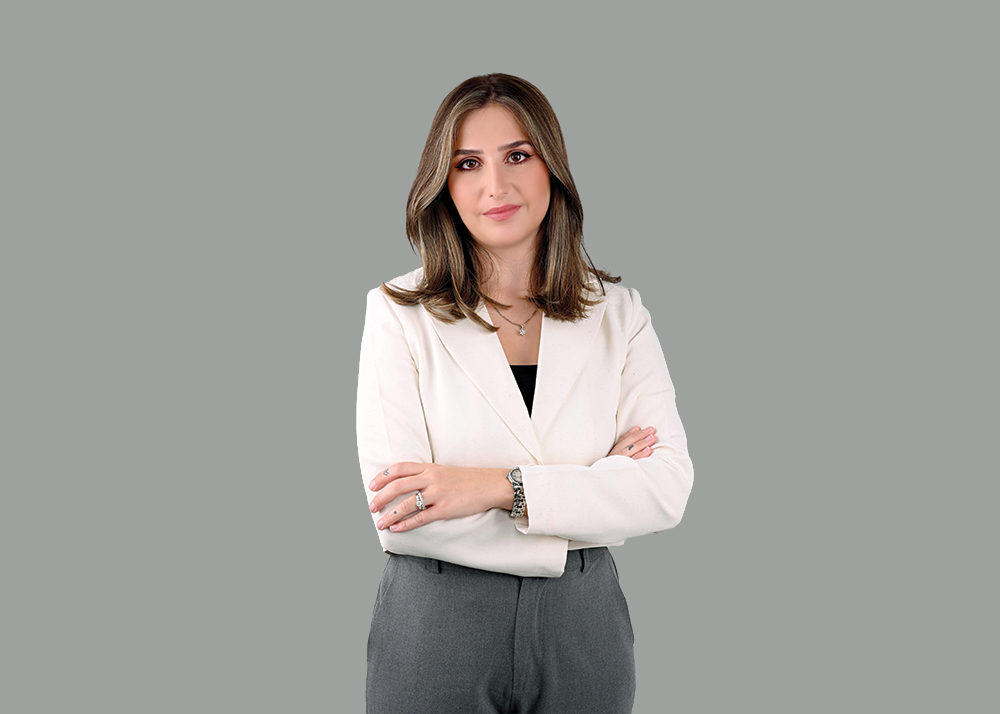
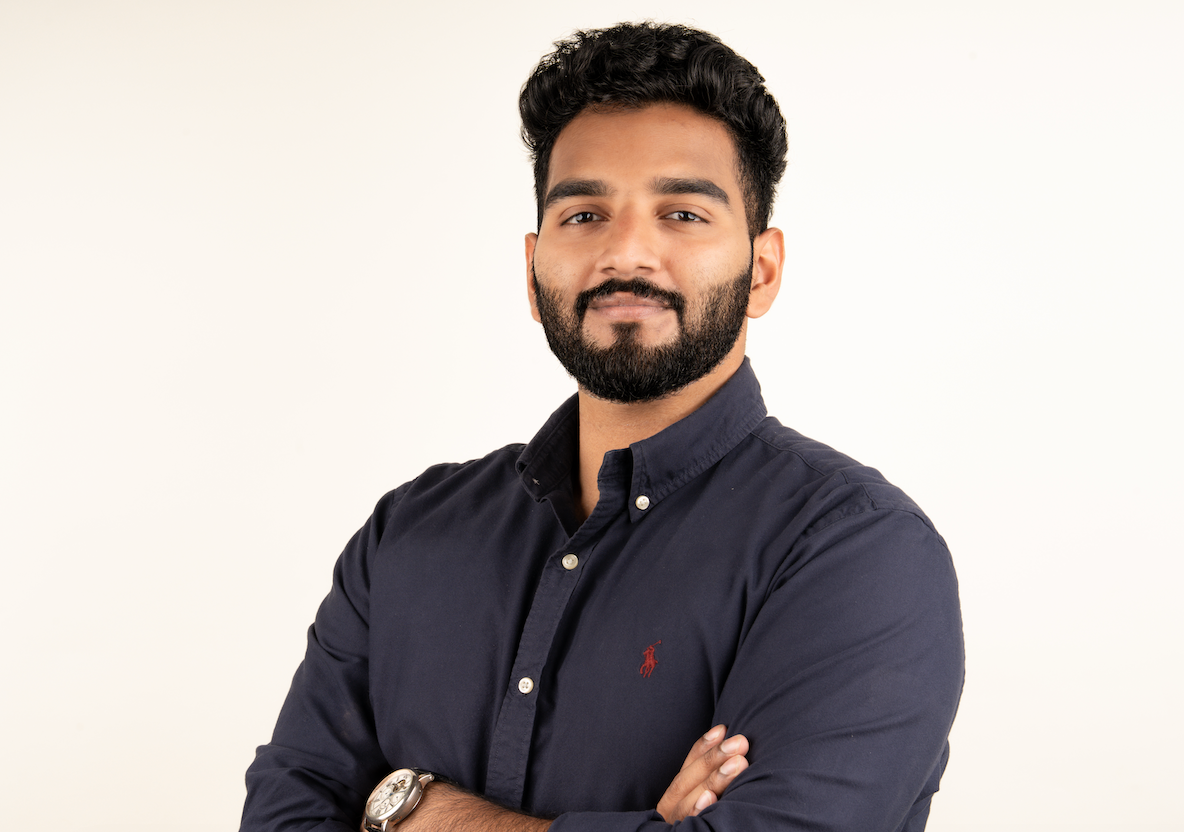
By Maha Ayash, Managing Director – UAE, TEAM LEWIS and Nihas Kamarudheen, Senior Campaign Executive, TEAM LEWIS UAE