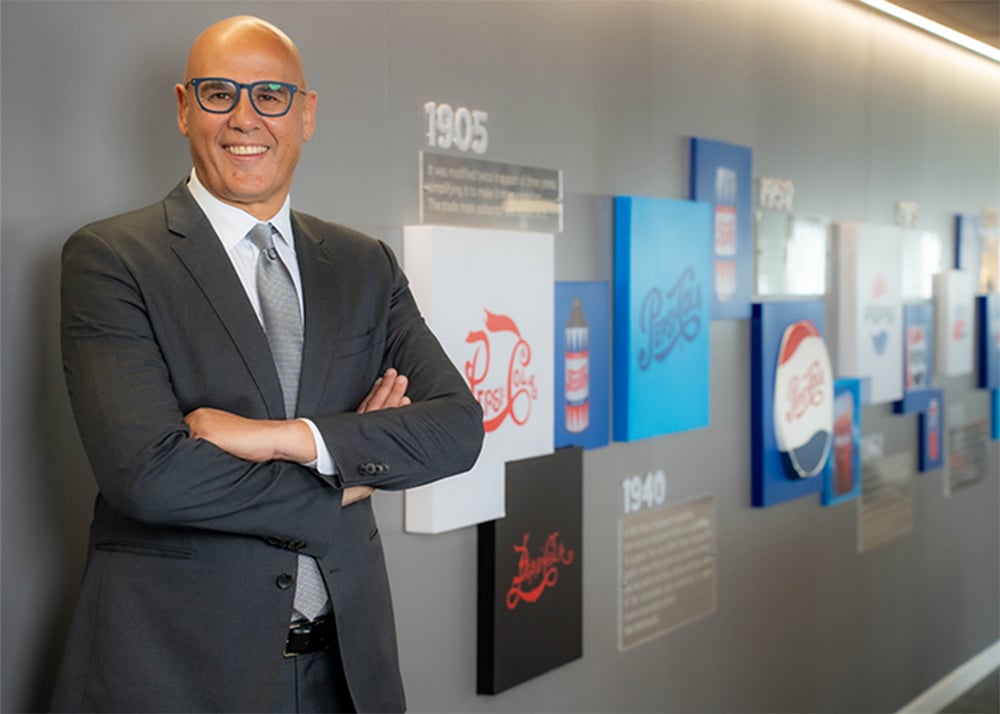
 Mohamed Shelbaya, CEO of Beverages for the Middle East and Africa, PepsiCo
On the sidelines of the adrenaline-packed Formula 1 Etihad Airways Abu Dhabi Grand Prix, PepsiCo articulated a strategic pivot: moving beyond traditional sponsorships into a structured, mid- to long-term brand-building exercise anchored in Formula 1.
Having cemented a global partnership with Mercedes-AMG PETRONAS, the brand revealed how it intends to weave Gatorade, Sting and Doritos into the sport’s cultural fabric, aiming to deepen emotional connections with fans across the region and beyond.
Campaign Middle East spoke to Mohamed Shelbaya, CEO of Beverages for the Middle East and Africa, PepsiCo, about how on-site experiences catalyse broader consumer moments – complementing product innovations, co-branded activations and retail integrations – while highlighting the brand’s GCC focus that aligns with Saudi Arabia and the UAE’s ambitions to become premier global sports tourism hubs.
“Sports is a trusted space for young audiences, so if we’re going to be part of this ecosystem, we need to participate with the right intent.”
Focusing on the fundamentals: Memorable and scalabe fan touchpoints
Through Shelbaya’s lens at PepsiCo, the GCC opportunity sits at the intersection of young, connected audiences and a desire for global experiences with local relevance. The company’s portfolio – built around performance, energy and fun – maps well to this energy, and intends to pursue these opportunities through a mix of digital engagement, on-ground brand experiences and retail programmes designed to translate enthusiasm into action.
Shelbaya said, “Formula 1 gives us a global stage and a growing fanbase that’s young and passionate. With Mercedes-AMG PETRONAS, we’re plugging Gatorade, Sting, and Doritos into the heart of the sport’s culture. Our goal over the next few years is to build a stronger emotional connection between our brands and Formula 1 – from the garage to the grandstands.”
He went on to explain how Gatorade brings six decades of performance hydration into the team environment; how Sting brings the energy and attitude younger fans love; and how Doritos gives fans a bold, snackable way to show up around viewing and social occasions.
View this post on Instagram
Shelbaya added, “In the first year, the focus is on getting the fundamentals right: integrating Gatorade’s performance tools into the team’s routines, creating a content system shows the human side of the sport, and creating fan touchpoints that are memorable but also scalable. The UAE and Saudi Arabia are quickly becoming one of the sport’s most exciting homes, with multiple races and a big push on sports tourism. Our portfolio lines up well with that opportunity: performance, energy, and fun – all rooted in brands people already know and love. GCC audiences are young, connected, and hungry for global experiences with local relevance – and our brands are well placed to meet that demand.”
This emphasis on connecting closely with communities of fans is complemented by a selective approach to channels where both reach and measurement matter.
He said, “We’re prioritising channels where fans already spend their time and where we can track outcomes and move quickly. That means digital-first content during race weeks, social platforms where younger fans follow the sport, and retail and e-commerce programmes that turn excitement to conversion.”
“We look at which formats get the deepest rewatch rates and when younger fans are most active. We want to make content feel less like a campaign and more like a running conversation that eventually translates into product choices across markets.”
From campaigns to conversations: Experiencing ‘Podium to park’
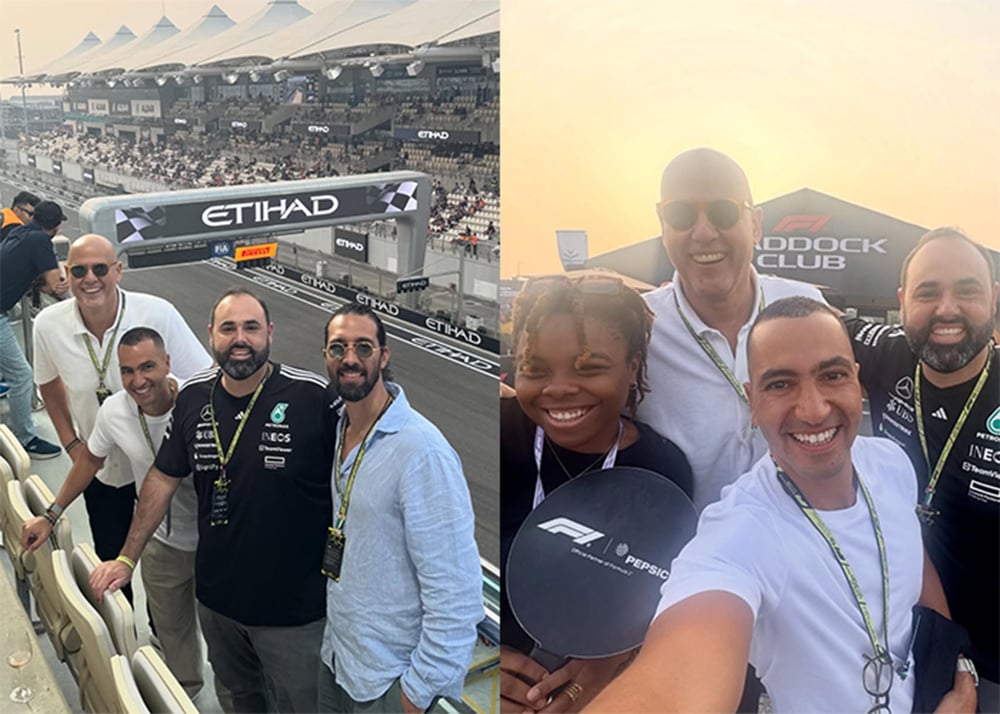
On the ground in Abu Dhabi, Campaign Middle East noticed how PepsiCo focused on experiences that are fun and easy for fans to engage with.
“The aim is to make Formula 1 feel closer and more accessible, whether you’re at the race or engaging from anywhere else. When we evaluate return on investment (ROI), we’re giving equal weight to attention and engagement quality, retail lift during key moments, and repeat participation in fan activations. Behaviour is a stronger indicator for us than raw reach,” Shelbaya added.
PepsiCo’s strategy also involves making content and storytelling feel less like a ‘campaign’ and more like an ongoing ‘conversation’ with fans, particularly Gen Z and local communities.
Shelbaya explained, “Fans want to feel closer to the team. So, our content leans into access and personality through short-form, social-first stories with the drivers and crew, behind-the-scenes moments that show the human side of the team, and live and near-live formats during race weekends that keep fans plugged into the action.”
He added, “On the data side, we look at which formats get the deepest rewatch rates and when younger fans are most active. We want to make content feel less like a campaign and more like a running conversation that eventually translates into product choices across markets.”
The plan also signals an integrated approach to digital, social, e-commerce, and experiential channels as a pathway to translate attention into lasting affinity and growth.
A great example of this was Sting’s ‘Podium to Park’ activation at the Abu Dhabi Grand Prix, which was touted as the first-ever live entertainment experience on the podium for the season finale. The experience guided fans from the podium under the track all the way to the after-race concert, with Sting branding, light shows, sampling and a live DJ set.
“Bringing elements such as digital attention, real-life access points and retail integration together helps us turn short bursts of attention into longer-term brand preference and category growth.” Shelbaya explained.
From vision to reality
Drawing closer to the culmination of UAE Vision 2030 and Saudi Arabia’s Vision 2030 frameworks, the conversation also underscored how sustainability and responsible consumption are becoming core tenets of product development and messaging.
Shelbaya said, “Vision 2030 has put a big spotlight on healthier lifestyles and more sustainable growth, and that’s influencing how brands engage in sports. At PepsiCo, it affects both what we bring to the market and how we communicate. On the product side, we’re moving more of our portfolio toward reduced sugar, clearer labeling and better-for-you options, while still delivering the taste and experience people expect. On the messaging front, we use our platforms and reach to highlight hydration science around performance, encourage responsible consumption for energy drinks, and educate as much as promote.”
“Sports is a trusted space for young audiences, so if we’re going to be part of this ecosystem, we need to participate with the right intent,” he added.
View this post on Instagram
All in all, the interview laid out a compact blueprint: turn a high-profile sponsorship into a structured, data-informed brand-building engine that speaks to local as well as global audiences, all while threading sustainability and responsible consumption into every message.
The conversation painted a picture of a partnership designed to reach the chequered flag — from the high-speed realities of the garage to the shared, everyday moments people have around a snack, a drink or a chat with friends after a race.
Clearly, PepsiCo is not merely aiming for pole position; it seeks to build an enduring, carefully tuned car that can sprint off the line, navigate the pit stops with precision, and finish with a podium-worthy roar that resonates across markets.
If there’s a final takeaway, it’s that the brand intends to treat F1 not as a single event but as a long-running circuit—a place where on-site experiences, digital engagement, retail moments, and sustainability messaging all co-operate to convert attention into loyalty.