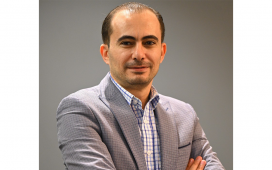
Nuha Bayoud, Media Director, Initiative UAE.
Initiative UAE’s Nuha Bayoud shares how active diversity, equity and inclusion (DEI) practices could create a homogenous world, in conversation with Campaign Middle East.
Is DEI merely a top-down strategic initiative, or is it becoming embedded in organisational culture?
DEI isn’t just a top-down checklist anymore – it’s slowly becoming part of the cultural fabric of how agencies operate. That said, its definition is still evolving. While many agencies speak of DEI as a badge of honour, very few can confidently demonstrate the depth of their impact, especially when it comes to equity. We’re in a phase where DEI is both a currency for relevance and a mirror reflecting our gaps. The real shift will come when it’s no longer a strategic pillar, but a subconscious way of thinking, hiring, leading, and collaborating — across all levels.
What mechanisms or metrics should organisations use to measure DEI beyond recruitment?
You can’t measure inclusion with a dashboard. DEI goes beyond the obvious numbers; it’s about how people feel when they walk into a room or sit at a table. It’s in who gets heard, who feels safe speaking up, and who’s being empowered to grow. Exit interviews, engagement surveys, leadership representation, and sentiment analysis across roles can offer richer context. But the most meaningful metric? Whether diverse voices are helping shape culture, not just filling quotas. Until that becomes natural, we’ll always be measuring the wrong things.
What are the biggest regional hurdles to DEI in advertising, and how can they be addressed?
In our region, DEI often gets reduced to hiring quotas tied to ethnicity or nationality, both by agencies and clients. When that happens, we lose sight of merit, experience, and cultural fit. The deeper challenge lies in inclusion. You can hire someone new, but if they don’t feel welcome, seen, or heard, what’s the point? True inclusion isn’t about ticking boxes; it’s about shifting mindsets. Leadership needs to stop treating DEI as a recruitment KPI and start building environments where everyone, regardless of background, can thrive and lead.
Is DEI fatigue setting in? What will it take for DEI to become a norm like merit or resilience?
Not at all, especially not in a region as wonderfully diverse as ours. The fatigue isn’t in the concept; it’s in the performative side of it. People are tired of empty gestures. What we really need is to embed inclusion into our everyday norms – from how meetings are run to how promotions happen. Once inclusion becomes as expected as integrity or talent, we won’t need to “fix” DEI anymore. It’ll simply be part of how we do business, how we treat each other, and how we define success.
Is DEI driving meaningful change, or is it just a trend to meet expectations?
It is driving meaningful change, especially for those who’ve never had to think about what exclusion feels like. DEI has cracked open important conversations and forced people to confront their own blind spots. It’s encouraged more active listening, more representation in rooms that used to be homogeneous, and a deeper awareness of how culture shapes perspective. While there are still instances where DEI is used as a buzzword, its impact is real – especially for those who have long felt unseen. Awareness is the first step to change, and DEI has made that visible.
How do clients respond to DEI efforts? Does it impact pitch wins and relationships?
Clients don’t usually comment on DEI, and maybe that’s a sign that it’s become a baseline expectation. For many brands, inclusivity isn’t something they reward; it’s something they assume. That’s why it’s so important for agencies to live those values authentically – not just to impress, but to align. A team that reflects the market is more likely to build relevant, resonant work. And while DEI might not win you a pitch on its own, it absolutely builds the kind of long-term trust and understanding that keeps clients coming back.
In a region where tradition meets progress, what role does advertising play in balancing DEI?
Advertising has the power to reflect and shape culture. In a region where heritage runs deep and progress moves fast, our role is to find that middle ground. We have a responsibility to honour tradition while also showing what inclusion can look like in modern society. Whether it’s through casting, storytelling, or team composition behind the scenes, advertising can bridge communities, challenge norms, and invite new perspectives. By doing so, we not only mirror the richness of our region – we help define its future.
By Nuha Bayoud – Media Director, Initiative UAE