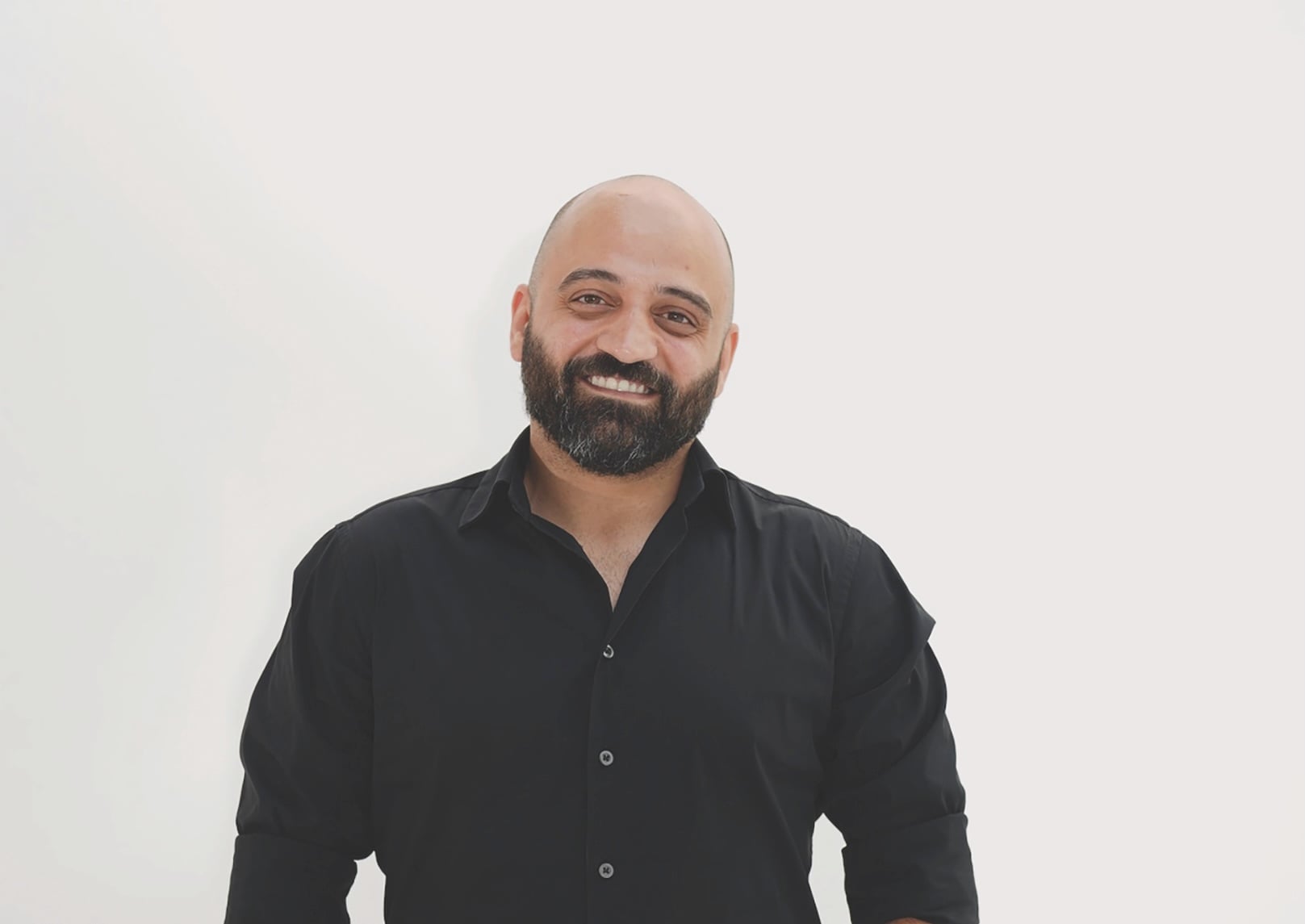
 Bassam Mustafa, Founder and Managing
Director, Nine71.
Bassam Mustafa, Founder and Managing
Director, Nine71.The Middle East is the world’s most dynamic sports market, yet the prevailing marketing mindset often lags behind the region’s strategic ambition. For too long, sports marketing has been a transactional exchange of logo placement for passive visibility.
This approach is misaligned with the transformative visions driving the region’s massive investment in sport. The time has come for brands to become national stakeholders – partners in the region’s economic diversification, social development, and national purpose.
The strategic imperative: Aligning with Saudi Vision 2030
The scale of sports investment in the Gulf region is a sophisticated economic and social strategy. In Saudi Arabia, the sports sector is a pillar of Vision 2030, projected to grow to $22.4bn by 2030, according to recent PwC data.
This is not a marketing budget; it is a pillar of economic transformation. Aligning with a sports property is an opportunity to embed a brand’s narrative within the story of national progress.
Global data from the recent Sports Sponsorship Performance Survey reveals that 66 per cent of consumers are more likely to purchase from companies that sponsor sports that they like. In the Middle East, this affinity is amplified when a brand’s efforts support a national goal, moving it from a commercial entity to a community partner.
From logo to legacy: The stakeholder model in action
Successful sports marketing initiatives in the region are shifting from sponsorship to stakeholder engagement. The Dubai Fitness Challenge (DFC), a non-promotional public health campaign, has seen more than 13 million participants, with 2024 data showing 18 per cent of participants reporting improved fitness.
Brands such as DP World and Mai Dubai act as facilitators, providing infrastructure and resources to help the community achieve the goal of becoming one of the world’s most active cities. Their success is linked to the public health outcome. This is the stakeholder model: Marketing return on investment (ROI) is a byproduct of its social ROI.
Similarly, the Saudi Sports for All Federation (SFA) is working to raise physical activity levels to 40 per cent by 2030. Brands partnering with the SFA on grassroots initiatives are investing in community development, supporting the Saudi Vision 2030’s Quality-of-Life Programme.
New metrics of success
To thrive in this new environment, marketers must adopt a new framework for measuring success. The old metrics, focused on reach and visibility, are no longer sufficient. Social listening data confirms deep interest in the business and human-interest stories behind sports.
The audience seeks authenticity and purpose, not just advertising. The new metrics must shift from measuring impressions to evaluating engagement rate, which reflects affinity and trust. The focus must move beyond logo visibility to quantifying social ROI and community impact.
Ultimately, marketing expenditure must be reframed, moving away from ad spend as a cost centre and toward strategic alignment with national purpose.
By embracing this stakeholder model, brands can transform their marketing from a cost centre justified by vague exposure to a measurable driver of consumer behaviour and a genuine partner in the region’s most ambitious projects.
Actionable opportunities for every company
The shift to the stakeholder model is not exclusive to mega-corporations. It creates clear, actionable opportunities for companies of all sizes.
Large multinational corporations should focus on ‘national vision alignment’, which includes investing in large-scale, measurable social impact programmes.
Small and medium enterprises (SMEs) can excel at hyper-local community engagement, sponsoring local sports clubs and focusing on authentic, human-interest storytelling.
Local companies can become leaders in digital content facilitation, partnering with local athletes or influencers to create engaging content that promotes participation and aligns with the national health agenda.
Securing a lasting legacy in the Middle East
By embracing the stakeholder model, brands in the Middle East can achieve something far more valuable than fleeting visibility. They can become genuine partners in the region’s most ambitious and inspiring projects.
This evolution requires a fundamental change in mindset: seeing sports marketing not as a line item in the communications budget, but as a strategic investment in the future of the nation and its people. The opportunity in the Middle East is not just to sell more products, but to be part of a legacy that will define the region for decades to come.
Brands that understand this will secure not only market share but also a lasting and meaningful place in the hearts and minds of the community.