 Clockwise, from top left, Anastassiya Ruddy, Marketing Manager, Bombbar MENA; Kaavyanjali Prasad, Growth Marketing Expert, GCC; Ishneet Kaur, Head of Marketing and International Business, Virgio; Mahesh Murthy, Managing Director, Pinstorm; and
Paul Williams, CEO, Spearhead Creativity MENA; and Simon Ornelis, Director - Brand Development and Corporate Identity, du.
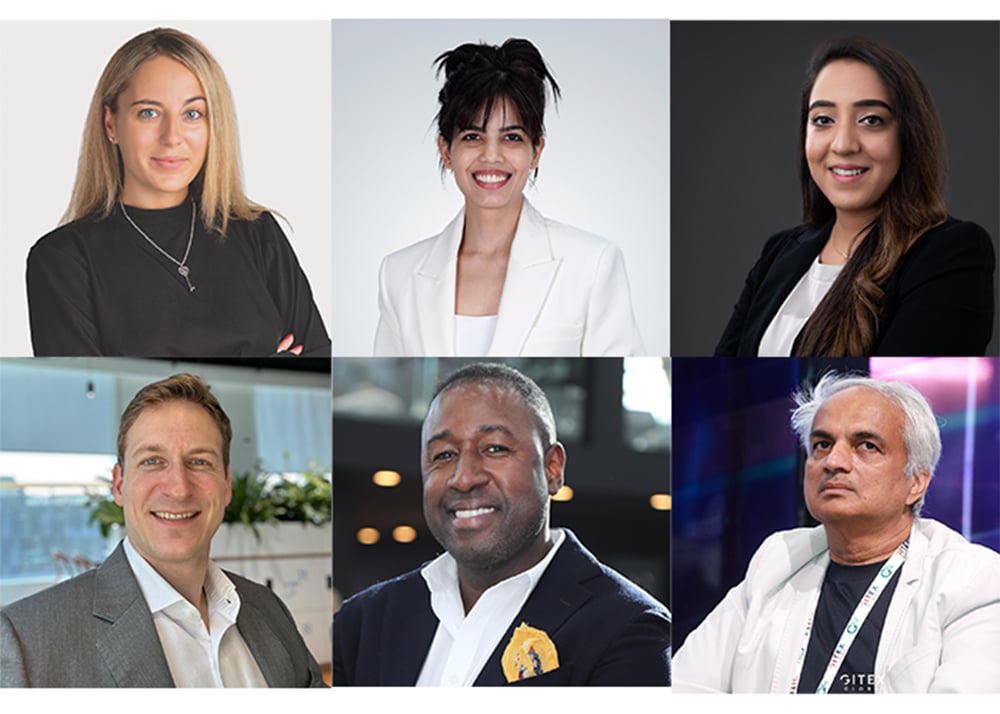
Clockwise, from top left, Anastassiya Ruddy, Marketing Manager, Bombbar MENA; Kaavyanjali Prasad, Growth Marketing Expert, GCC; Ishneet Kaur, Head of Marketing and International Business, Virgio; Mahesh Murthy, Managing Director, Pinstorm; and
Paul Williams, CEO, Spearhead Creativity MENA; and Simon Ornelis, Director - Brand Development and Corporate Identity, du.Marketers recently gathered to discuss critical changes within digital and media strategies, including the move from search engine optimisation (SEO) to generative engine optimisation (GEO); how to harness artificial intelligence (AI) for content to drive better outcomes; ethical considerations within AI-driven marketing; the role of large language models (LLMs) in creating culturally relevant content; and ways to navigate the ‘brave new world’ of digital marketing.
The Marketing Society, in partnership with Campaign Middle East, hosted an hour-long session moderated by Alasdair Hall-Jones, Global Director of The Marketing Society, and attended by five senior marketers, including:
- Kaavyanjali Prasad, Growth Marketing Expert, GCC;
- Ishneet Kaur, Head of Marketing and International Business, Virgio, a sustainable fashion brand;
- Anastassiya Ruddy, Marketing Manager, Bombbar MENA, a nutrition supplement store;
- Simon Ornelis, Director – Brand Development and Corporate Identity, du, a UAE-based telecommunications brand,
- Mahesh Murthy, Managing Director, Pinstorm, an advertising and events branding agency; and
- Paul Williams, CEO, Spearhead Creativity MENA, a boutique brand and communications consultancy.
At the outset, the leaders – representing brands and agencies in the Middle East – agreed that the regional marketing landscape is undergoing a profound transformation steered by technological breakthroughs, particularly given the growing role of generative AI and large language models (LLMs) within the industry.
These developments are reshaping how brands interact with consumers, redefining marketing strategies and requiring leaders to pivot to keep pace with the speed of tech advancements and the speed of culture.
The dialogue unveiled a tapestry of insights, showcasing how businesses are strategically integrating AI to redefine brand interactions, craft compelling content, and optimise performance while maintaining the essential human touch.
On one hand, leaders discussed the benefits of speed-to-market, scalability, real-time optimisation and enhanced efficiencies that can be unlocked by leaning into the latest technological advancements. On the other hand, they called for a measured and ethical approach to AI that assures brand safety and sustainable long term growth.
Harnessing AI for content and brand strategy
The conversation began with a look at how marketing teams are currently leveraging LLMs and AI in their ongoing business operations.
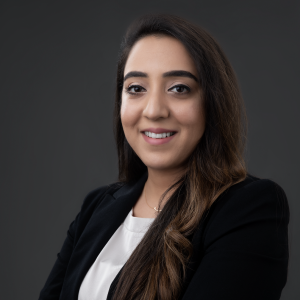 Virgio’s Ishneet Kaur provided keen insights into the symbiotic relationship between AI and human creativity. She emphasised that LLMs offer unparalleled benefits in terms of scale and efficiency, yet underscored the critical role of human involvement in maintaining an authentic brand presence.
Kaur said, “LLMs give you scale, speed and efficiency. It makes sense to incorporate LLMs in a tiered model – so, wherever there is high volume and low-risk content, we could use LLMs more, but of course with a human in the loop. But wherever it’s more brand-centric, it’s important that we keep humans at the centre, create the tone, own it, and let LLMs be our autopilot.”
Leaders agreed that this intersection of where humans own the brand story while leaning into AI for in-depth consumer insights, copy and creative remains crucial to create an emotional connect with key audiences.
Spearhead Creativity MENA’s Paul Williams added his perspective, articulating the unprecedented speed at which content can now be generated – all while maintaining brand authenticity.
“The key is to treat LLMs as a sophisticated creative assistant and not a replacement when it comes to brand strategies,” Williams said, emphasising the importance of integrating AI with human oversight to ensure cultural and brand sensitivity, while reinforcing the notion that authenticity cannot be sacrificed on the altar of efficiency.
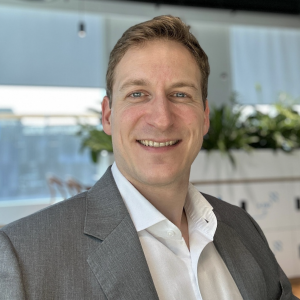 du’s Simon Ornelis said, “From my own experience across FMCG, retail, and telecoms, I’ve seen how speed to market and personalization at scale are powerful advantages which LLMs can amplify – especially in fast-moving categories. But scale without control risks diluting equity.”
Ornelis added, “That’s why brands need a clear ‘Brand OS’ – not only codifying verbal identity, style and recognisable cues, but also anchoring every output in the brand’s deeper purpose. Today, AI works best as a copilot, not an autopilot: accelerating production and tailoring messages, while brand custodians set the narrative and safeguard authenticity. Done right, it becomes an executional multiplier — amplifying both efficiency and meaning while maintaining trust.”
Navigating the ‘brave new world’ of digital marketing
Pinstorm’s Mahesh Murthy painted a picture of how shifting consumer behaviours are steering businesses away from traditional SEO towards generative engine optimisation (GEO).
“We’ve moved on from SEO to GEO. People tend to trust ChatGPT recommendations more than traditional SEO,” Murthy observed, illustrating the shift towards intent-based optimisation over mere keyword strategies.
Leaders shared that this transformation underscores the imperative for brands to adapt to evolving consumer expectations, leveraging AI to provide nuanced and contextually relevant content.
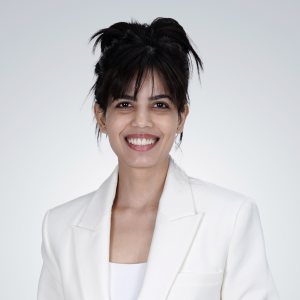 Marketers also shared practical insights on how to restructure SEO practices to align with the new GEO paradigm.
Ornelis said, ““Large language models think in a fundamentally different way from SEO driven search engines – they draw on a much richer, more diverse pool of content. That shifts the role of brand leaders: reputation, authoritative content and positive customer reviews become central in shaping how and when we are surfaced. GEO is no longer just an optional buzz word.”
Kaavyanjali Prasad alluded to intent-based content, outlining a strategic approach that integrates experience, expertise and trustworthiness.
Prasad agreed with Murthy, saying, “We’ve now moved from keyword-based strategies to intent-based strategies. LLMs take into consideration the credibility of the content with a citation, as well as the intent of what the user has actually asked about.”
Her insights reveal a structured framework for developing content strategies that resonate with AI-driven consumer interactions, marking a significant departure from conventional methods.
 Anastassiya Ruddy from Bombbar MENA delved into how consumer search behaviours are transforming in the age of AI. She highlighted that users are no longer searching for lists but are instead seeking personalised recommendations, answers and solutions.
“People are no longer searching for‘10 best protein bars’. Instead, they’re asking, ‘Create a nutrition plan for me’,” Ruddy said, explaining that this shift necessitates a strategic pivot for brands, pushing them to optimise for conversational interfaces and personalised interactions that extend beyond traditional keyword-focused strategies.
As the discussion continued, leaders examined the ethical implications of AI in marketing. There was a unanimous call for transparency and unbiased data usage to ensure fair representation and avoid perpetuating biases.
Ishneet Kaur articulated these concerns aptly, remarking, “The lines of truth are blurring. The era that we are heading into is one where people ask, ‘What’s the truth, and what can we trust?’ We need to ask ourselves: Are certain brand voices being amplified, while other brand voices are silenced? Do we have sufficient diversity in the voices we hear? That’s the risk in terms of ethics and biases that we’re witnessing – and the responsibility to address this lies across the spectrum: with brands, with platforms, and with agencies supporting this ecosystem.”
The road ahead: Bridging human creativity and AI
Incorporating AI into marketing is akin to sailing into uncharted waters. While it offers a vessel with velocity and reach, the captains of the ship – in this case, human marketers – must chart the course.
The roundtable concluded with a reflective exchange on the evolving responsibilities of brands and platforms in the AI-driven era. Murthy advised caution about the over-reliance on technology without continuous, skilled human intervention.
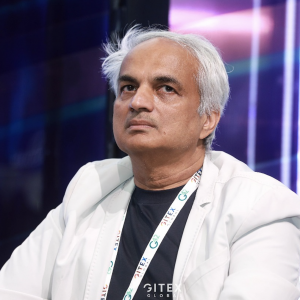 Discussing video safety, AI-generated imagery, user-generated AI content and compliance concerns that need to be addressed around each of these, Mahesh Murthy warned, “The fine for non-compliance, for example, in the UK, is 10 per cent of your global revenue. In Europe, it’s 6 per cent of your global revenue. In Australia, it’s 5 per cent of your global revenue. And if you keep adding it up, very soon, up to 50 per cent of your revenue will be at stake if you’re non-compliant.”
Marketers reiterated that the journey through AI territories must be charted with caution, keeping the timeless principles of authenticity and integrity top of mind at all times.
Ornelis added, “AI cannot be a wall to hide behind. Brands bear a responsibility to ensure content is truthful and customer experiences have the right oversight. AI Platforms to ensure responses are based on the most credible, multi-source verified content.”
As businesses sail forward, the compass points towards an integrated approach where creativity and technology do not merely coexist but thrive together, each amplifying the other’s strengths and capabilities.
The collective insights from the roundtable underscore a pivotal moment in the evolution of marketing. By embracing the nuanced interplay between human creativity and AI-driven efficiency, businesses can navigate the complexities of this new era, crafting strategies that speak to the hearts and minds of today’s consumers.
The path ahead will be both challenging and exhilarating, marketers agree, adding that it will unlock endless possibilities for those willing to adapt and innovate within the constantly evolving realm of marketing.