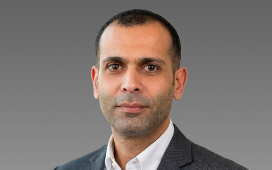
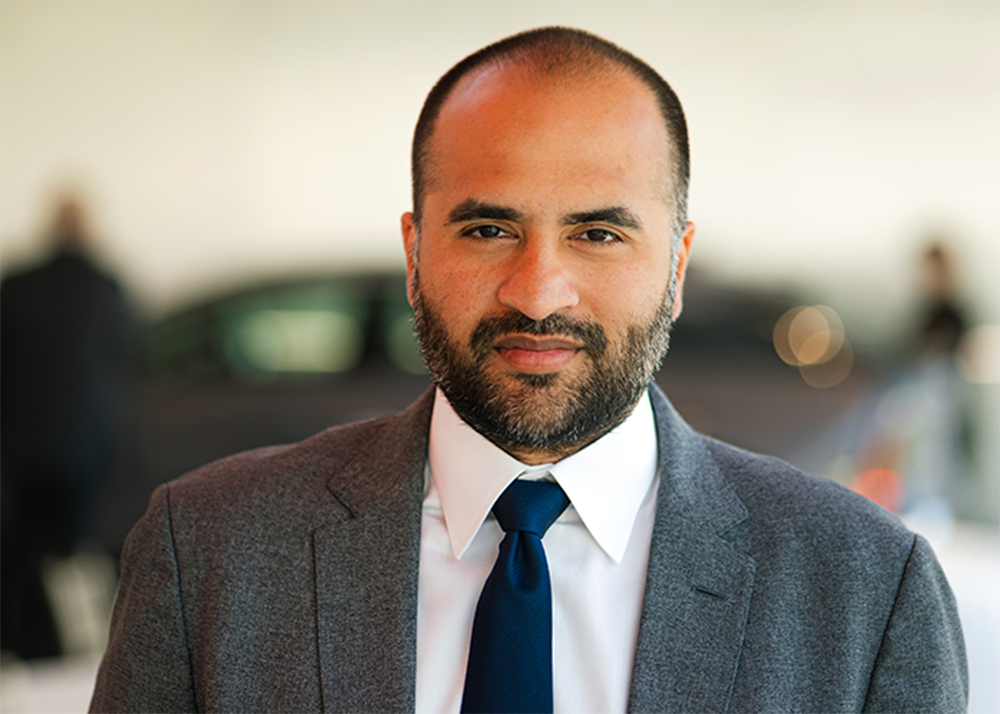
 Akshaya Singh Sikand, Head of Marketing, Cadillac Middle East
There was a time when luxury in the Middle East was measured by decibels, size and scale. Bigger malls. Bigger launches. Bigger logos. Bigger media spends. For years, the regional playbook was simple: visibility was value.
But as we navigate 2026, that equation is beginning to break down. Between geopolitical headwinds and a more discerning, digitally-fatigued consumer, visibility for its own sake is becoming a liability.
Today, the most urgent challenge facing luxury brands in the Middle East is oversaturation. The region does not have a demand problem; it has an attention dilution problem. And the answer, counter-intuitive as it may seem, is to do less.
Walk into any of the major retail hubs today and you’ll observe a paradox of plenty. The same guest lists circulate from one ‘exclusive’ launch dinner to the next. The same influencers move from activation to activation. Square footage continues to expand while attention fragments further.
“In a market saturated with access, restraint may become the ultimate marker of status.”
Consumers in the UAE, Saudi Arabia and Qatar are among the most digitally connected in the world. They aren’t just buying products; they are curators of their own identities.
They’ve seen the 15-second augmented reality (AR) filters, the influencer unboxings and the skyscraper-sized billboards. They are beginning to crave the one thing that is increasingly hard to find in our region: omission.
We are seeing a profound move toward quiet luxury. What affluent consumers increasingly crave is not stimulation, but discernment.
In 2026, consumers of luxury want curation, not spectacle. I’m not advocating laziness, but rather selective excellence.
Let’s move away from weekly hype events in favour of fewer, more intimate experiences and culturally-rooted storytelling.
Let’s elevate quality over quantity in digital. Instead of chasing every algorithm trend, brands should focus on intentional engagement: smaller digital communities, thoughtful clienteling and content that feels considered rather than endlessly optimised for reach.
In retail, rather than simply adding square footage, let’s aim to create sanctuaries, spaces where the absence of clutter is the ultimate luxury.
Doing less is hard because, fundamentally, marketing teams are often terrified of silence. There is a deep rooted fear that if we aren’t shouting, we’re being forgotten.
But in an oversaturated market, constant visibility is no longer the same as desirability.
Doing less requires more courage. It requires saying ‘no’ to the third mall opening of the year and ‘yes’ to a five year craftsmanship initiative.
It requires trusting that the Middle Eastern consumer – the younger, globally fluent and increasingly difficult to impress customer – will find the whisper more alluring than the scream.
Beyond the commercial logic, there is a professional imperative here. We need to do more work that we are actually proud of. By narrowing our focus, we allow ourselves to be craftspeople again, prioritising the tact and depth that define true luxury.
If I could give one piece of advice to luxury marketers in the region right now, it would be to edit. Edit your collections, edit your calendar and edit your message.
The Middle East has already proven it can build the biggest and the best. Now, we must prove we can be the most intentional. In a market saturated with access, restraint may become the ultimate marker of status.
By Akshaya Singh Sikand, Head of Marketing, Cadillac Middle East