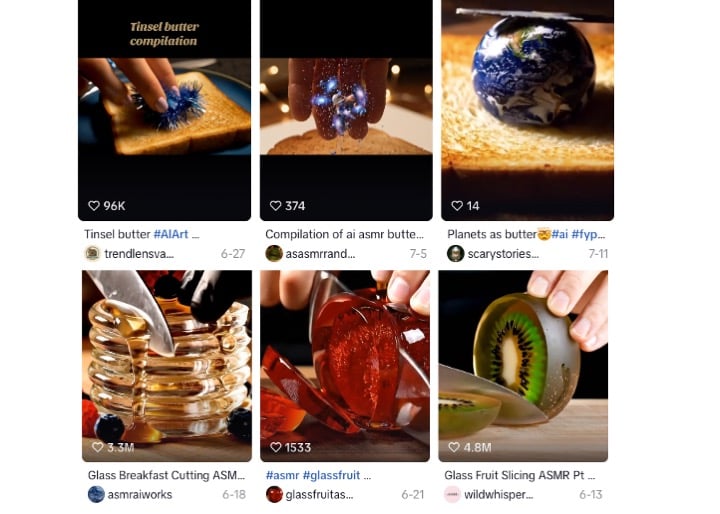
We all know and see that our feeds are changing by the day. Content generated by humans using the myriad AI tools is flooding them. And quite a lot of it is what the wider industry tends to term as slop.
Surely most of it is just bad quality and of course, all of them never really happened in the real world. But much more of it is being watched and shared all around by people of all age groups. This is an opportunity and a new form of content that we could do well to use to our advantage without of course creating something immensely harmful that is linked to serious causes.
The fake viral flying shoes video, for example, that was being shared around as something that was launched at GITEX (which the exhibition had nothing to do with) could easily have been an ad for the show instead of being a piece of misinformation. All it needed was a line: Perhaps to be launched at GITEX 2030. That simple addition would have gone fittingly well with its positioning as a stage where the next is revealed.
The AI slop share of attention
One form of AI-generated content that is gaining eyeballs in the hundreds of millions, is pets doing unexpected things, from scaring away wild animals to saving babies in dangerous situations. That says a lot about how much people are in need of entertainment because cats and dogs are after all the OGs of fun stuff on the internet.
It could be argued that these pieces are no different from the ‘Dear Kitten’ series on Buzzfeed (which went on to be sponsored by Friskies), where a seasoned feline shared its perspectives on life, its absurdities, and human frailties with a young kitten. We all knew those weren’t the real thoughts of a cat, but loved suspending belief for those fleeting moments of amusement because it was something that made us forget how hectic or mundane our day was.
Today, we might have to do a double or triple take to figure out if a video is real or not, but that doesn’t affect the innate capability of this ‘slop’ to gain people’s attention and give them a sliver of joy.
This is the theatre of the absurd playing out on people’s screens, content that is very aware that it lives and dies at the mercy of a thumb scroll. Much of it lacks any real-life significance, but that doesn’t stop people from consuming them.
Turning slop into an ad win
There is an immense opportunity in advertising and marketing with AI when it comes to creating the surreal, the unreal and the unbelievable. After all, some of the most famous ads have always been showing things that are impossible. But they all hinged on a particular principle: start with an idea. Automation can work on the repetitive side of the funnel, but where the human input will reign supreme is creating pieces that are crafted at speed, yet well thought out and resting on a solid, consistent positioning to make the brand memorable.
Look closely and you’ll notice that in all these popular of AI videos a singular thought is clear. And that’s what these creators are doing right. Most have one specific act being repeated across the entirety of its (usually lengthy) duration: animals being selfless, animals being dramatic, humans taking flight and so on. It’s what makes people stop and stay.
Ads have always done well when they left the audience knowing what they should feel and take away from it: joy, compassion, trust; all these are emotions that we need to reinforce in our content. AI can only help us create the same on a much larger scale, faster. Whether it will be better is up to us and our clients.

The famous John West ‘Bear Fight’ commercial if thought up today could have been a well-crafted hyperrealistic AI ad. It would still have been an enduring idea talked about around the world and most importantly what it was selling would be remembered by those who watched them. The cultural relevance of making people feel good is never going to go out of trend or business.
Of course, there are certain things that are not quite right with the way this kind of AI-generated content is being promoted. In many a LinkedIn post, the cost and time taken to create it are being touted loudly, but that should never be the measure of the worth and value of a good piece.
Just because something takes less dollars and days than usual should not make it cost less. It is why billing by the hour may not work in this case (but that’s a whole other conversation that our industry needs to have more of).
Beyond that, there’s a lot to learn from AI slop. It is an opportunity to look into where the zeitgeist is pointing, where the audience is heading. And instead of looking down on it, we could take an optimistic view of the whole scene. There is a pattern in these videos that is making them work and if we adopt the same, mould it to our needs, we could end up creating work that people will share with their friends, talk about at the dinner table, dissect in columns and most importantly, recall.
So maybe next time some AI-generated fast content comes your way, do try to cast aside the inevitable aspersions for that fleeting moment. Take notes on what could be imbibed from it, notice which creative as well as effective format of the idea it is using and grasp how it can be used to make the next bit of work stronger.
After all, advertising is about learning new habits and unlearning old ones, and most importantly, relearning what has made it tick all along.
By S Akheel Hassan Bilgrami, Co-founder of Xawiya Studios and CIQ Agency.