Marketing has quietly become one of the most powerful forces shaping the way we live, shop, and even think. It’s no longer a discipline that follows the product; it defines it. Across sectors, from retail to real estate, marketing has evolved from being a medium of communication to an engine of experience. The best brands today don’t just sell; they create feelings, environments, and emotional moments that make people want to belong.
We are living in what many call the experience economy. Our interactions with products, environments, and services are profoundly influenced by the emotions they evoke. Marketing has become an invisible architecture behind that feeling. Whether it’s the atmosphere of a boutique, the tone of a social campaign, or the narrative behind a property walkthrough, every interaction is part of a larger emotional ecosystem. It’s not about messaging anymore; it’s about meaning.
In the past, marketing was rooted in logic, price points, features, and rational comparison. Today, it’s rooted in emotion. Consumers no longer differentiate brands purely by function but by how those brands make them feel. According to PwC’s 2024 Global Consumer Insights survey, 70 per cent of global consumers say emotional connection influences their brand loyalty more than any other factor.
This shift means that marketing isn’t about driving awareness; it’s about building trust. It’s about creating emotional familiarity long before a transaction takes place. People don’t remember ads; they remember how a brand made them feel, how it fits into their aspirations, and how consistent its story felt across every touchpoint.
This trend underscores why brands in sectors such as luxury, retail, and property are increasingly prioritising experience-led storytelling over traditional product-centric campaigns. A fashion house that curates a virtual atelier or a developer that lets audiences explore a neighbourhood through immersive content is doing the same thing, selling a feeling of connection.
Experience is now the product. The question for marketers is no longer, “What are we selling?” But what do people feel when they interact with us? The brands that understand this are reshaping every layer of their strategy, from digital content and customer experience to physical design and post-sale engagement.
Luxury retail has long mastered this. Its power comes from emotional precision: the lighting, the music, and even the scent are all thoughtfully designed to create a specific mood. Real estate marketing is moving in the same direction. A great campaign doesn’t just show architecture; it builds anticipation, emotion, and familiarity with a lifestyle before the sale ever happens.
The lesson across sectors is clear: brands are no longer built in boardrooms but in the minds and memories of their audiences.
The future of marketing will not be led by technology alone, but by authenticity. As audiences become more discerning, the ability to connect meaningfully will become the most important competitive advantage. In a world saturated with content, sincerity is what cuts through.
This next chapter will require brands to think less about campaigns and more about continuity, a seamless emotional experience across every channel. The marketers who thrive will be those who can translate data into empathy and empathy into enduring trust.
Because in the end, marketing isn’t about what we say; it’s about what people feel when the conversation ends. And those feelings, not slogans, are what build brands that last.
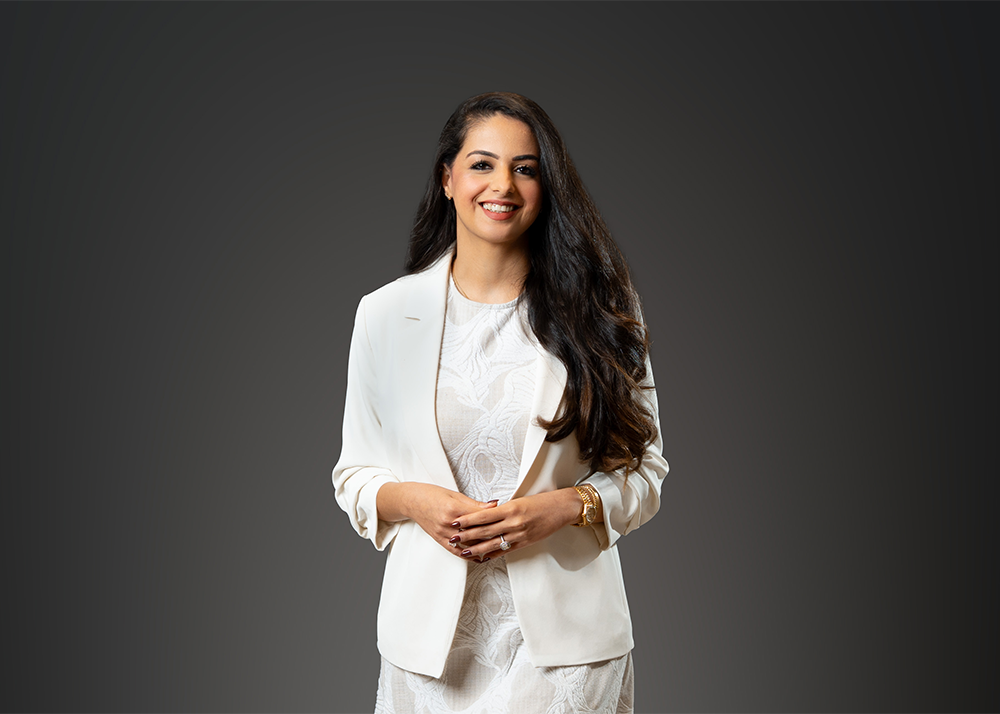
By Natasha Chandnani, Head of Marketing at Banke International Properties.