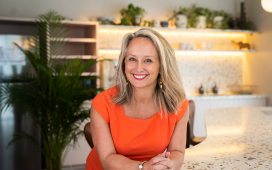
Ash Qureshi, Co-Founder, The Collective.
 The marketing playbook has settled into a seductive but ultimately hollow rhythm. We all know the drill: A brand spends months and millions unveiling a strikingly designed event. We see immersive rooms, sensory installations, and intricate architectural buildings.
Then, the doors open exclusively for a curated list of creators, media, and VIP guests. The drinks flow, the content circulates, the hashtags trend for 24 hours, and then the moment ends as quickly as it began. The sets are struck, the lighting rigs are dismantled, and the space returns to its original state before a single paying customer has even smelled the air.
It is a model optimised entirely for reach, yet severely limited in resonance. In an era where consumers are demanding authenticity, this closed-door strategy is increasingly feeling like a missed opportunity.
We’ve built great live events that real consumers never get to step into. Influencers are brilliant for buzz, but they shouldn’t be the only ones in the room. If the brand is for the people, the experience should be too.
The end of passive consumption
No one in the agency world disputes the value of influencers. Their ability to accelerate awareness and prime the market is unmatched.
However, the audience has evolved. Today’s consumers have become highly literate regarding the mechanics of advertising. They recognise scripted endorsements, fleeting partnerships, and the transactional nature of creator-brand relationships.
They are no longer content with being ‘spectators’ to someone else’s gifted lifestyle. People know when a post is a performance. Loyalty doesn’t come from watching someone else experience a brand, it comes from experiencing it yourself.
The disconnect is palpable. While brands are obsessing over impressions and engagement rates, consumers aren’t craving more content; They are craving access. The ‘fear of missing out’ (FOMO) strategy is losing its edge, replaced by a growing cynicism toward brands that build playgrounds only for the elite. When a consumer sees an influencer at an event they aren’t invited to, it doesn’t always build desire; Sometimes, it builds distance.
Maximising the sunk cost
From a purely commercial perspective, the elite-only model is a masterclass in operational inefficiency. Brands funnel an enormous percentage of their annual budgets into physical builds, with the larger share disappearing into the sunk costs of production: the custom fabrication, the high-end technology, and the premium venue hire. To dismantle these assets after a mere four-hour window for a handful of guests may be a missed marketing opportunity.
The high cost is in the production, not the audience. If the stage is already built, why tear it down after four hours? Extending a launch by a day, or even a weekend, requires minimal additional money relative to the initial investment, yet it delivers disproportionately high value in terms of brand equity.
When the doors are unlocked and actual consumers are welcomed in, the metrics shift from vanity to value:
- Dwell time increases: Unlike creators who may be there to capture a specific shot and move to the next event, real consumers engage deeply. They linger, they explore, and they participate.
- Sharing becomes authentic: User-generated content from the public lacks the airbrushed polish of an influencer post, but it carries the heavy weight of a genuine peer-to-peer recommendation.
- Micro-communities activate: Word of mouth travels through trusted circles. A hundred people telling their friends about a cool event they actually attended is often more powerful than a million people scrolling past a sponsored reel.
- Emotional memory creates loyalty: A physical encounter creates a lasting memory. This is the true driver of long-term connection and deepens the bond with a brand in a way a digital ad never can.
The new hybrid standard of live marketing
I have witnessed this shift first-hand across diverse markets from London to Dubai. I’ve seen how an activation’s atmosphere changes the moment the public enters.
When we open the space to the public after the influencer night, the energy changes completely. The conversations last longer. The content is real. The brand becomes part of people’s lives, not just their feeds.
The future of live marketing isn’t about choosing between press coverage and customer experience; it’s about integration. Leading agencies are now adopting a hybrid format. The influencers and press initially attend to ‘light the spark’ and generate the necessary awareness. But this is followed by a public phase where the everyday consumers, the very people whose purchases keep brands alive, are invited to keep the fire going.
As the industry navigates tighter budgets and more conceptual audiences, the smartest brands will be those willing to open their doors, literally and figuratively. Reach is the beginning of the journey, not the destination.
Reach is great. But reaching without a real human connection is just noise. If you want to stay relevant, you have to let the people in.
By Ash Qureshi, Co-Founder, The Collective.