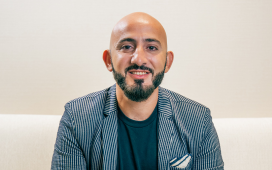
 Bipul Markan, Head of Research & Insights, Assembly MENA
Last weekend, I was bombarded by at least 10 emails from different retailers and several text messages and WhatsApp notifications, all screaming about the “biggest sales event” of the year. The message, loud and clear: buy everything now, or miss out entirely.
According to Think with Google insights, November has become a discount powerhouse, with e-commerce sales soaring 44 per cent above the monthly average, largely fueled by the month’s major sale events.
But amid this sales surge, I couldn’t shake off a familiar frustration. It made me pause and think about what this constant urgency means for the consumer experience in today’s hyper-personalised retail world.
As a shopper, I didn’t just feel overwhelmed; I felt pressured. The constant stream of notifications made me double-check prices on items I’d been casually browsing for weeks. Suddenly, my planned shopping journey turned into a frantic race to beat stock shortages.
Of course, this is exactly what retailers and brands want: conversion. So what is the issue? The challenge is that this extreme targeting approach, while intended to boost sales, ironically risks reducing a brand’s identity to being just “the one with the best promotion” or “a retailer that sells at the best price.”
While this is important, when every retailer sends urgent, almost identical messages fighting for immediate action, the approach becomes counterproductive. It leads to inbox fatigue, message blindness, and, most critically, a loss of emotional connection with the consumers.
In markets like the UAE and Saudi Arabia, this effect is even more pronounced. Marketers here juggle at least five major sales peaks each year, squeezed into a ten-month window targeting audiences who slow down during summer or travel-heavy months. What inevitably gets squeezed out? Brand-building.
There’s endless pressure to activate sales and hit targets, but little space for creative campaigns or initiatives that build lasting equity. Yet, decades of research, including Les Binet and Peter Field’s work, shows that emotionally-driven marketing wins out in the long run, not just strengthening brands but driving greater sales than short-term, purely rational messaging.
Discounts and promotions will always anchor big sales events, but how retailers structure them makes all the difference. Instead of flash offers, what if brands used peak periods to reinforce trust, loyalty, and relevance? What if urgency felt personal, not performative?
Retailers can do more than flood inboxes. They can design personal experiences – offering tailored content, such as curated product recommendations, how-to videos, or expert tips that relate to the consumer’s lifestyle. This can help build connections generating the kind of loyalty and community that will drive people to retailers throughout the holiday season, into 2026, and beyond.
Take home furnishings as an example. They could send a personalised decorating tip email based on previous purchase categories, fostering inspiration and usefulness rather than urgency. And, if urgency has to be proven, it should be tailored to the occasions, an iftar dinner, or a year end festive get together etc, tied into the meaningful emotive space.
The data backs this up. Studies across the MENA region show shoppers are more likely to choose brands that send personalised, lifestyle-relevant content, not just generic discounts. Such personalised touches fuel real engagement and foster the loyalty that lasts beyond just one sales window.
The November rush isn’t going anywhere. But the brands that rise above it won’t win by shouting louder. They’ll win by listening closer, showing up with messages that feel helpful, human, and worth remembering. That’s how relevance outlasts the sale.
By Bipul Markan, Head of Research & Insights, Assembly MENA