The global entertainment industry has a crisis habit. The moment uncertainty hits, a financial crash, a pandemic, a geopolitical disruption, budgets get cut and live experience is first on the list. It happens every single time, in every market across Europe and the US and every single time it’s the wrong call.
The Middle East doesn’t do that. And that, more than anything, is what separates this market from every other one I’ve worked in and why the entertainment leaders who understand that are choosing to stay.
Consumer spending on experience and entertainment has outpaced almost every other category in post-crisis rebounds. Psychologically, it is one of the most powerful tools we have for restoring a sense of normalcy, for telling people that life is still worth showing up for. Governments know this, the smartest entertainment and leisure operators know this. And the Middle East, more than any other market I’ve worked in, acts on it.
I run a live entertainment company with operations across the UK, UAE and international cruise markets. Earlier this year our regional pipeline went to zero literally over night. I have a business in the UK I could have retreated to but I didn’t and I wouldn’t, because what I’ve watched happen here during this period has fundamentally changed how I think about where this industry is heading and where I want to be building within it.
Industry leaders such as Majid Al Futtaim are not pausing. They are programming entertainment deliberately across their facilities right now, not as distraction, but as a genuine community strategy for the millions of families who have chosen to stay. Property developers are still commissioning large-scale events. Global brands are still choosing to activate here. I know this not as an observer but because I am part of those conversations and that planning. I have a front row seat on how this is all playing out.
The operators who understand that the resident audience, the people who live here, who are staying, who have children and weekends and a need to feel that their city is alive, are the most important audience right now, those operators are moving and spending accordingly. The entertainment leaders who are in the room with them are positioning themselves for what comes next. I believe the ones who’ve stepped back are going to find it very hard to walk back in.
It comes back to something I’ve had to learn since moving here three years ago, which is that this region does not think the way everywhere else thinks. A big idea doesn’t go into a committee for six months. It surfaces, people believe in it and within weeks it’s in execution. It’s incredibly impressive and refreshing to watch.
I’ve built a business in the UK for over a decade and I have enormous respect for that market, but there is something genuinely different about being in a place that decided to build the tallest building in the world and then just did it. That mentality is in everything here, the clients, the partners, the pace of conversations. It gets into you if you let it and the entertainment leaders who have let it are thinking bigger than they ever have. It is a thrilling state of mind.
When things got hard earlier this year I leaned on the people who’d been here longer than me. A CEO I spoke to recently, English, twenty years in Dubai, through 2008 and COVID and now this told me he has more confidence now than at any point in his career here. No performance in it, no false reassurance, just the certainty of someone who has watched this place recover before and knows exactly what it looks like when it decides to move. That sentiment is not unique to him. It is the overwhelming feeling among the leaders who have committed to this region and stayed.
The ones pulling back are making a specific and costly mistake, assuming this place recovers like everywhere else. It doesn’t. The speed, the capital, the institutional will, the collective refusal to accept a diminished version of what this region can be, I haven’t seen anything like it anywhere in the world. The residential audience is here right now, they want live experience and the window to build the relationships and presence that compound over time is open. The leaders who stay in the room during the hard moments are the ones who will define what this industry looks like on the other side.
Entertainment has never just been the thing you come back to. It’s always been part of how you get there. Because here’s what our industry keeps forgetting: entertainment creates emotions, emotions create memories and memories are what bring people back to a city, to a venue, to a brand, time and time again. This is not a soft argument, it is the most powerful retention strategy there is.
The Middle East already knows that. The leaders who are staying know it too and ultimately, it will be entertainment, not just infrastructure, not just tourism campaigns, not just incentives, that brings people flooding back to this region. Everyone here is certain of it. And it’s exactly why I’m not going anywhere either.
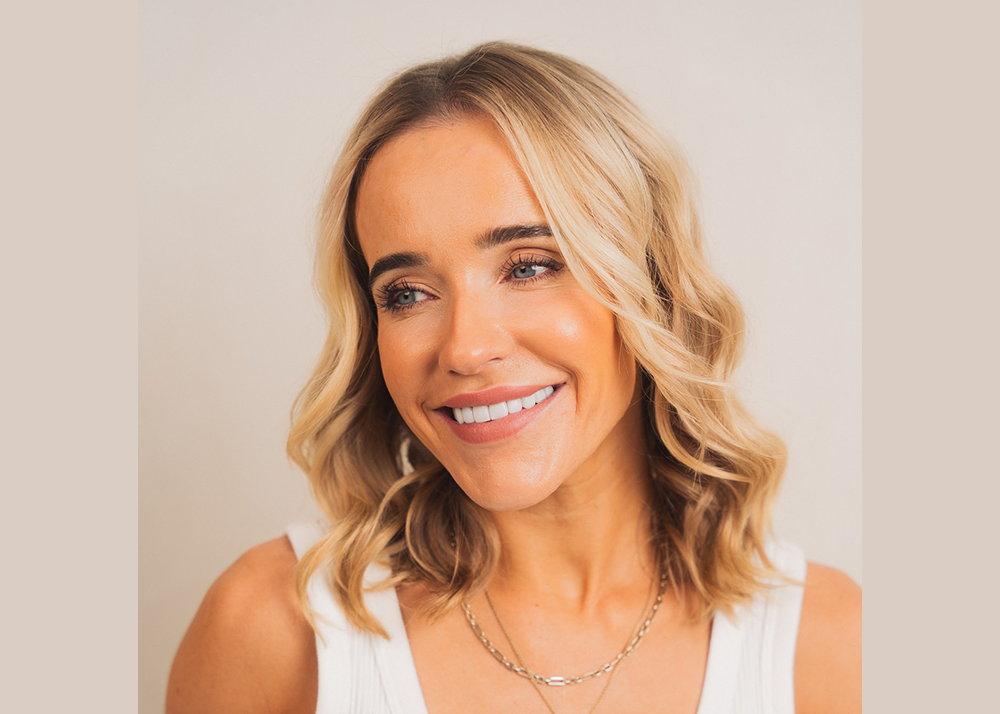
By Amy Morris, Founder and CEO of Pop Up Global.