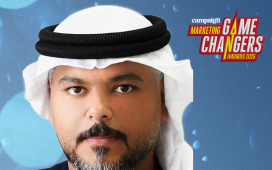
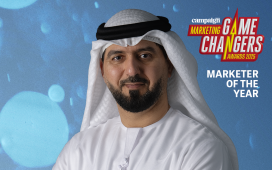
From top left, clockwise, Google's Najeeb Jarrar; Spark Foundry's Dania Dallasheh; Keyade Middle East's Laura Gleadhill; The Trade Desk's Terry Kane; UM MENAT's James Dutton; OMD's Terry Mo; Merkle MENA's Deepak Mankani; Expo City Dubai's Sholto Douglas-Home
“Hey Siri, search for a grocery list starting with …”
“Hey Alexa, what are today’s deals on …”
“Dear ChatGPT, where can I find …”
“Yasmina, what’s that song with lyrics saying …”
The ways in which people search and shop are changing. People in the Middle East have switched from habitually opening default browsers on their devices to querying generative AI engines, virtual voice assistants and interactive chatbots.
Personalised recommendations, tailored discounts and product suggestions are now expected by mobile-first and multilingual Middle East audiences – especially given that their multi-modal search has been layered with generative AI tools.
This has
To continue reading this article you need to be registered with Campaign. Registration is free and only takes a minute. Register Now or sign in below if you already have an account.
Tags:Advertisingagentic AIAIAI enginesAnswer engine optimisationArtificial IntelligencebrandsbrowsersChatbotsConsumersCookiesDania DallashehDeepak MankaniExpo City Dubaifirst-party dataGoogleInteractiveJames DuttonKeyade Middle Eastkeyword optimisationlarge language modelsLaura GleadhillLLMmarketingMerkle MENAmulti-modal searchNajeeb JarrarOMDsearchsearch engine optimisationSEOSholto Douglas-Homeshopping agentsSpark FoundryStrategytargetingTerry KaneTerry MoThe Trade Deskthird-party cookiesTrafficUM MENATvoice assistantsvoice search