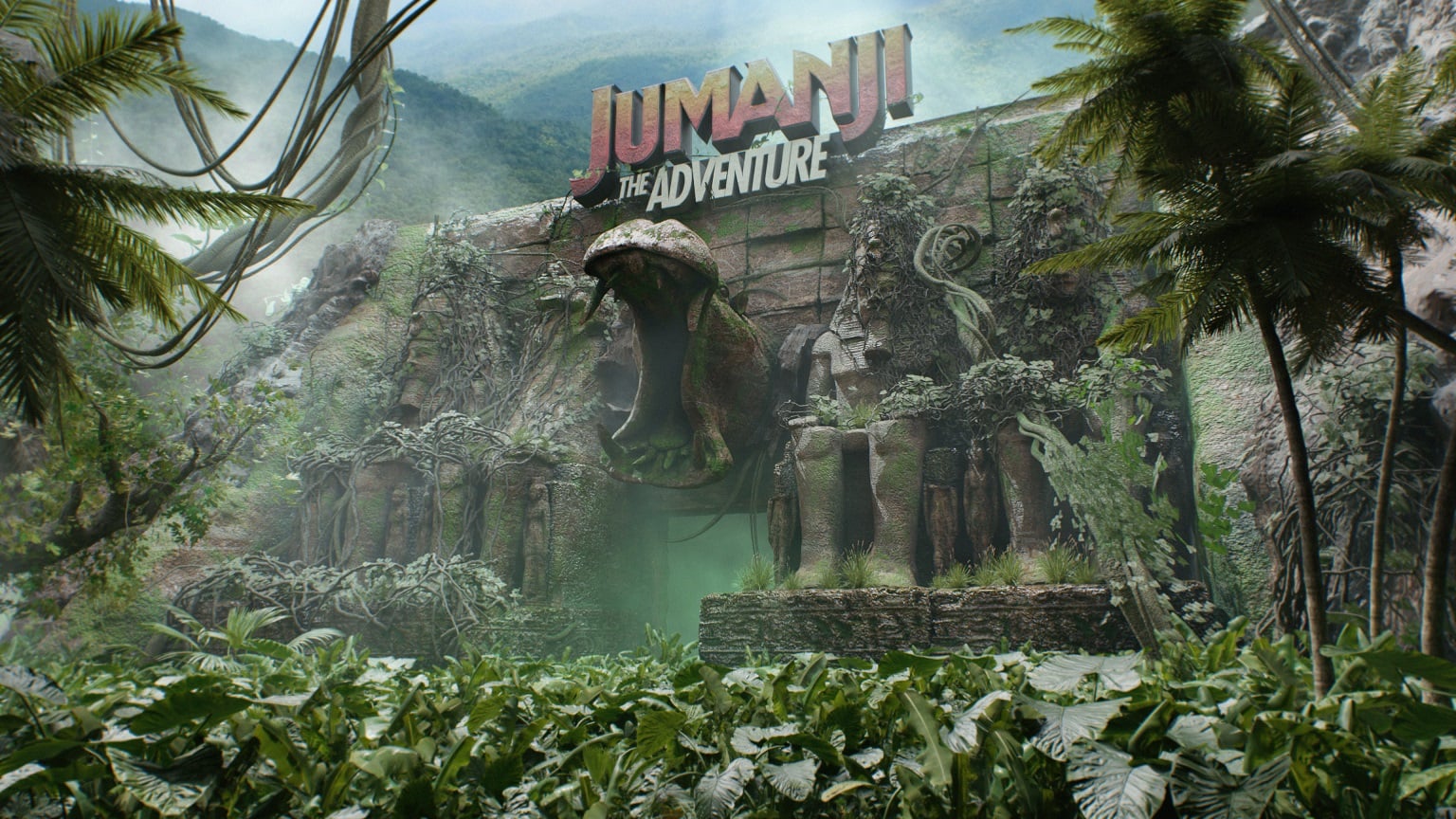
There’s a reason Jumanji still gets us, even thirty years on. The moment that board starts to wake up, you feel that familiar ‘oh here we go’ flutter in your chest. One second it’s an ordinary board game, the next the drums start rumbling and the whole world tilts into something wild and unpredictable. Even watching it now, it gives me the sense that something unexpected is about to burst into the scene. One roll and everything shifts. One move and suddenly you’re in a completely different world.
It makes me wonder, when was the last time a brand swept you up in a moment you didn’t see coming? That’s exactly what audiences here in the Middle East are craving. This region has become one of the world’s fastest-growing hubs for immersive retail, with the GCC’s pop-up and experiential market now valued at over USD 1.2 billion, driven by a huge appetite for unique experiences. People here don’t just want things to look at, they want worlds to step into. Not campaigns that talk at them, but moments that ask them to play, explore and feel.
So what can Jumanji teach us about designing worlds people want to step into?
You have to pull people in from the start
Jumanji doesn’t ease you in gently. The game begins the moment the first piece moves, and you’re locked in before you’ve even caught your breath. Great brand experiences should do the same. They should wake you up a little and spark something instantly.
The truth is, we don’t have long to earn that attention anymore. Research shows our ability to stay focused has been shrinking for years. It tracks with what we’re seeing here in the Middle East. More than half of UAE residents are daily social media users, and that constant scroll has trained people to decide within seconds whether something’s worth their time.
That’s why the first moment of an experience matters so much. A good start makes people feel curious, the same way a shiny toy catches your eye. You want to pick it up and keep playing. That’s powerful for brands, because it means you don’t have to fight for their attention. They’re choosing to give it to you. People stay because they want to know what the brand will show them next. Once you’ve got that, the game really begins.
Keep the world shifting with every roll
One of the reasons Jumanji pulls you in so easily is because the world refuses to stay still. Every roll of the dice brings something new. A creature you didn’t expect, a room that turns itself inside out, a twist that makes the players rethink everything. That sense of surprise is what keeps you glued to the story.
It makes me wonder, why don’t we expect the same from brand experiences? When was the last time you walked into something and thought “oh, I didn’t see that coming”. Most of us can think of only a handful, and that’s because real surprise leaves a lasting mark. For me, the best experiences are the ones that open themselves up slowly, almost like they’re letting you in on a secret.
One of the clearest examples for me was our work on the Nissan Nismo global launch. It wasn’t a typical reveal where you walk into a room, see two cars on a stage and politely clap. We designed the launch like a story in four acts, and the whole room changed with each one. Guests moved through a world crafted with meaning, from the quiet first act to the Red Ring reveal to a sensory space built with sound, scent and interactive experiences. The environment kept shifting, so people always felt like they were inside a story that was unfolding around them.
To stay in the game, you have to play
Play has always mattered to me. It’s what helps me switch off, feel present and reconnect with ideas in a way that feels natural rather than forced. I see the same thing in the audiences we design for. People don’t just want to look at something anymore, they want to touch it, try it, and choose their own way through it.
Hermès nailed this with its “Mystery at the Grooms’” experience, where guests became detectives searching through six playful, beautifully crafted rooms. That level of intimacy is what modern luxury looks like. It’s not about being unreachable but about letting people feel part of a world that’s usually closed off.
If you think about it, that’s exactly what Jumanji teaches us too. The characters only survive because they take part. They move, play and engage with the world. Experiences work the same way. When people get involved, even in a small way, they remember how they felt inside that moment. They follow the brand not because they’re told to, but because they want to see what comes next.
What I know for sure is that brands have to adapt if they want to meet people where they are now. Real experience only happens when the world you build pulls people in, changes around them and lets them take part. When what you stand for becomes something audiences can feel, not something they have to be told. That’s the shift every brand needs to face. And in true Jumanji fashion … the story only moves once you roll. So ask yourself, what moment will you invite people into when it’s your turn to roll?
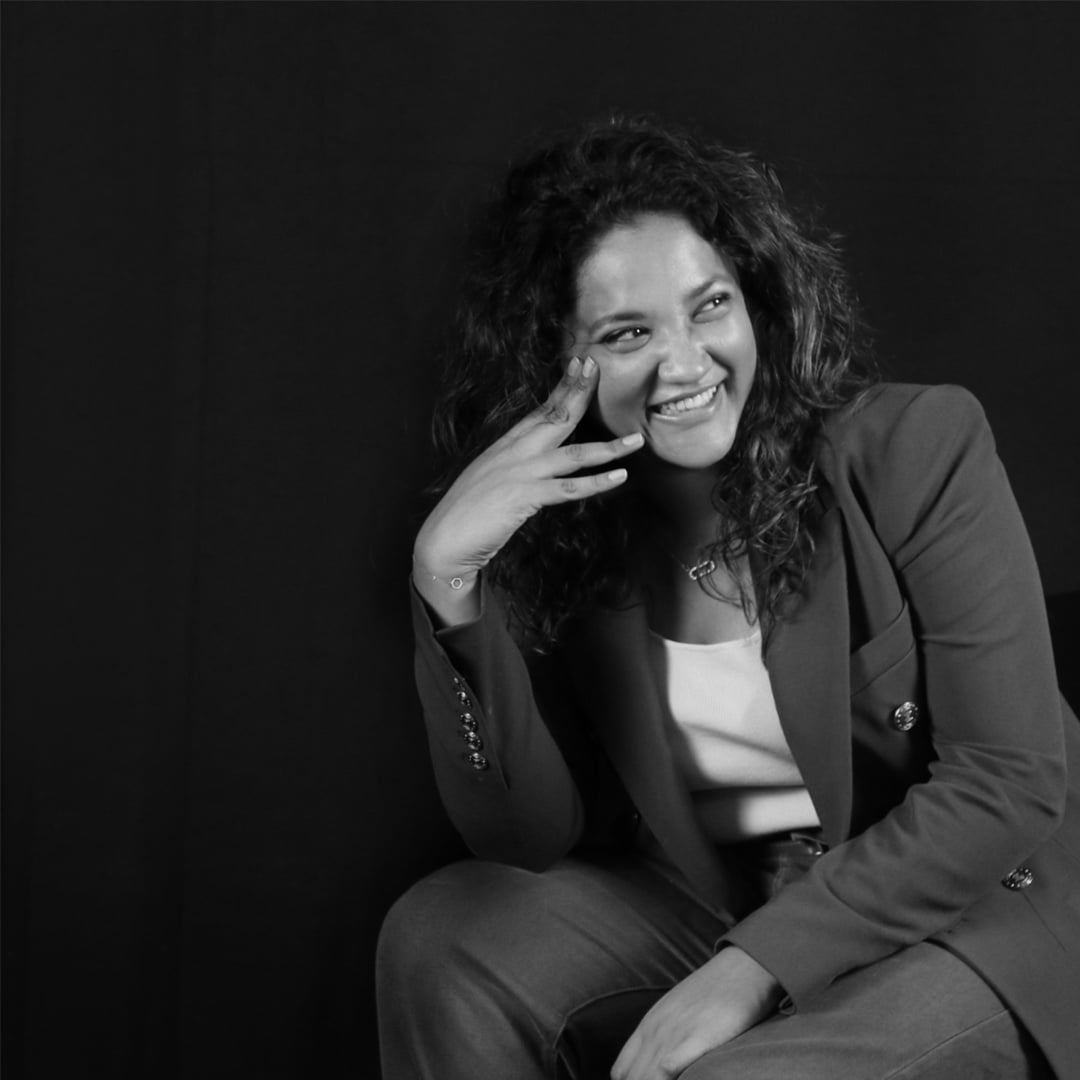
By Anam Ahmad, Founder and Chief Creative Officer at The Hanging House